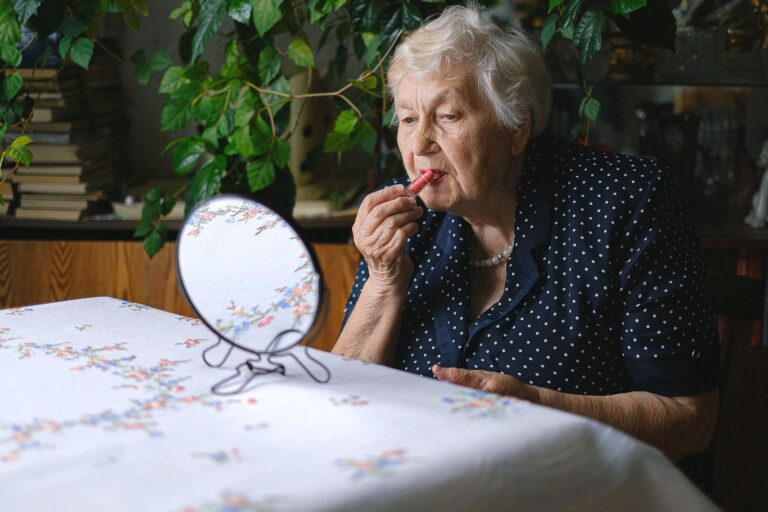
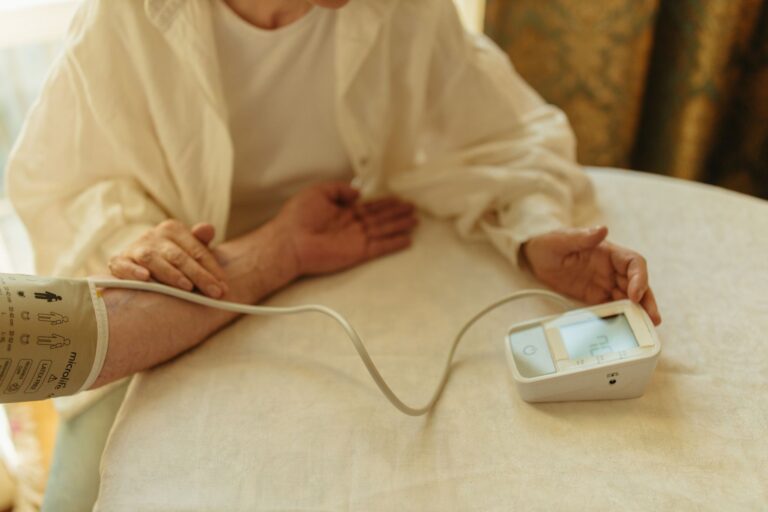
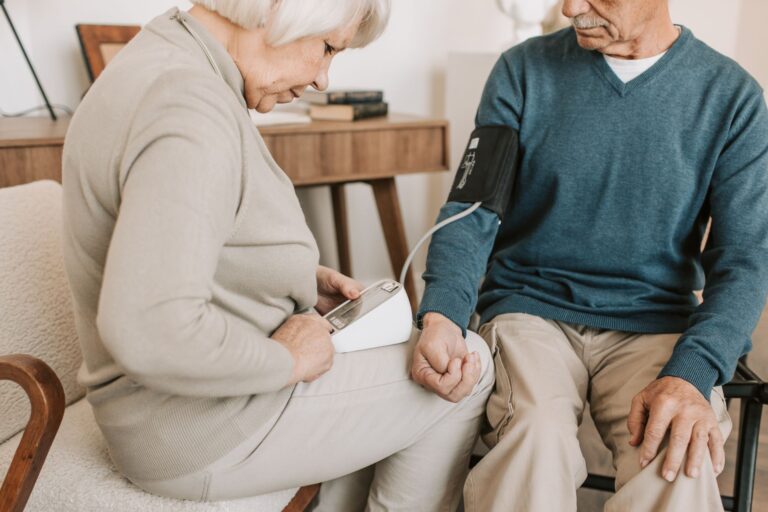
The best sock aid for people with Alzheimer’s disease is the **CAidRE Sock Aid Device**, which features an innovative three-finger design that securely holds socks in place while the person slides their foot in. Its exterior is covered in soft terrycloth with smooth nylon on the inside, making the motion intuitive and requiring minimal cognitive effort. For someone in the early-to-middle stages of Alzheimer’s who still maintains some independence but struggles with bending or sequencing complex movements, this device strikes the right balance between functionality and simplicity. A close second is the **Vive Sock Aid Device and Shoe Horn Kit**, which bundles a sock assist with a long-handled shoe horn—particularly useful when a caregiver wants to address multiple dressing challenges with one purchase.
Choosing a sock aid for someone with Alzheimer’s involves more than picking the highest-rated product on a shopping site. The disease affects motor planning, sequencing, and spatial awareness, meaning a device that works perfectly for someone with arthritis might confuse or frustrate a person with dementia. The best choice depends on the individual’s current cognitive stage, physical limitations, and whether a caregiver will be assisting with the process. This article examines the top sock aid devices suited for Alzheimer’s patients, explains why these tools matter for both safety and dignity, explores fall-prevention options like gripper socks, and looks at emerging technology including AI-enabled wearables. We also cover practical considerations for caregivers and common pitfalls to avoid when introducing new dressing aids.
Table of Contents
- Which Sock Aid Design Works Best for Alzheimer’s Patients?
- Why Adaptive Dressing Tools Matter for Dementia Care
- Gripper Socks and Fall Prevention Options
- Common Mistakes When Introducing Sock Aids to Dementia Patients
- Emerging Technology: SmartSocks and Wearable Monitoring
- The Future of Adaptive Dressing Aids
Which Sock Aid Design Works Best for Alzheimer’s Patients?
Not all sock aids function the same way, and design differences matter significantly when cognitive impairment is involved. The **CAidRE Sock Aid Device** uses a three-finger mechanism that grips the sock securely, reducing the likelihood that the sock will slip off mid-motion—a common frustration that can cause someone with Alzheimer’s to abandon the task entirely. The terrycloth exterior provides tactile feedback, which can help orient users who may struggle with visual-spatial processing. The **KEKOY 4INCH Sock Aid** takes a different approach with its U-shaped design made from flexible ABS material.
This style works well for users who primarily struggle with bending rather than cognitive sequencing, but it requires the person to understand how to position their foot correctly within the cradle. For someone in later stages of Alzheimer’s, this may present too many steps to remember. In contrast, the **RMS Sock Aid Kit** includes both a deluxe sock aid with a comfy foam handle and a separate sock remover—helpful when the person needs assistance with both putting on and taking off socks, though managing two separate tools can add complexity. A practical comparison: if the person you’re caring for can still follow two-step instructions (“put your foot here, then pull”), a U-shaped design may work fine. However, if they frequently get confused mid-task or become frustrated with multi-step processes, the three-finger grip style requires less problem-solving once the caregiver has loaded the sock onto the device.

Why Adaptive Dressing Tools Matter for Dementia Care
Dressing is one of the first activities of daily living affected by Alzheimer’s disease, often years before families recognize more obvious cognitive symptoms. Buttons become confusing, zippers get stuck, and the simple act of putting on socks—which requires balance, flexibility, and sequencing—becomes a daily struggle. adaptive clothing and dressing aids simplify this process with features requiring less cognitive effort and physical dexterity, preserving both independence and dignity. Sock aids specifically address a task that creates fall risk. Bending over to reach one’s feet shifts the center of gravity and requires balance that many older adults with dementia no longer have.
The **Osanchan Sock Aid** addresses this with an adjustable locking buckle system for cord length, allowing use from both seated and standing positions, plus an enlarged anti-slip pad for stability. By eliminating the need for bending or lifting during dressing, these devices make the process safer for both patients and caregivers—reducing strain injuries that commonly occur when caregivers physically assist with lower-body dressing. However, introducing a new tool to someone with Alzheimer’s has its own challenges. If the person is in a moderate-to-advanced stage, they may not understand what the device is for or may resist using an unfamiliar object. The best time to introduce a sock aid is early in the disease progression, when the person can still learn new routines. Waiting until dressing becomes a daily battle often means the window for successful adaptation has closed.
Gripper Socks and Fall Prevention Options
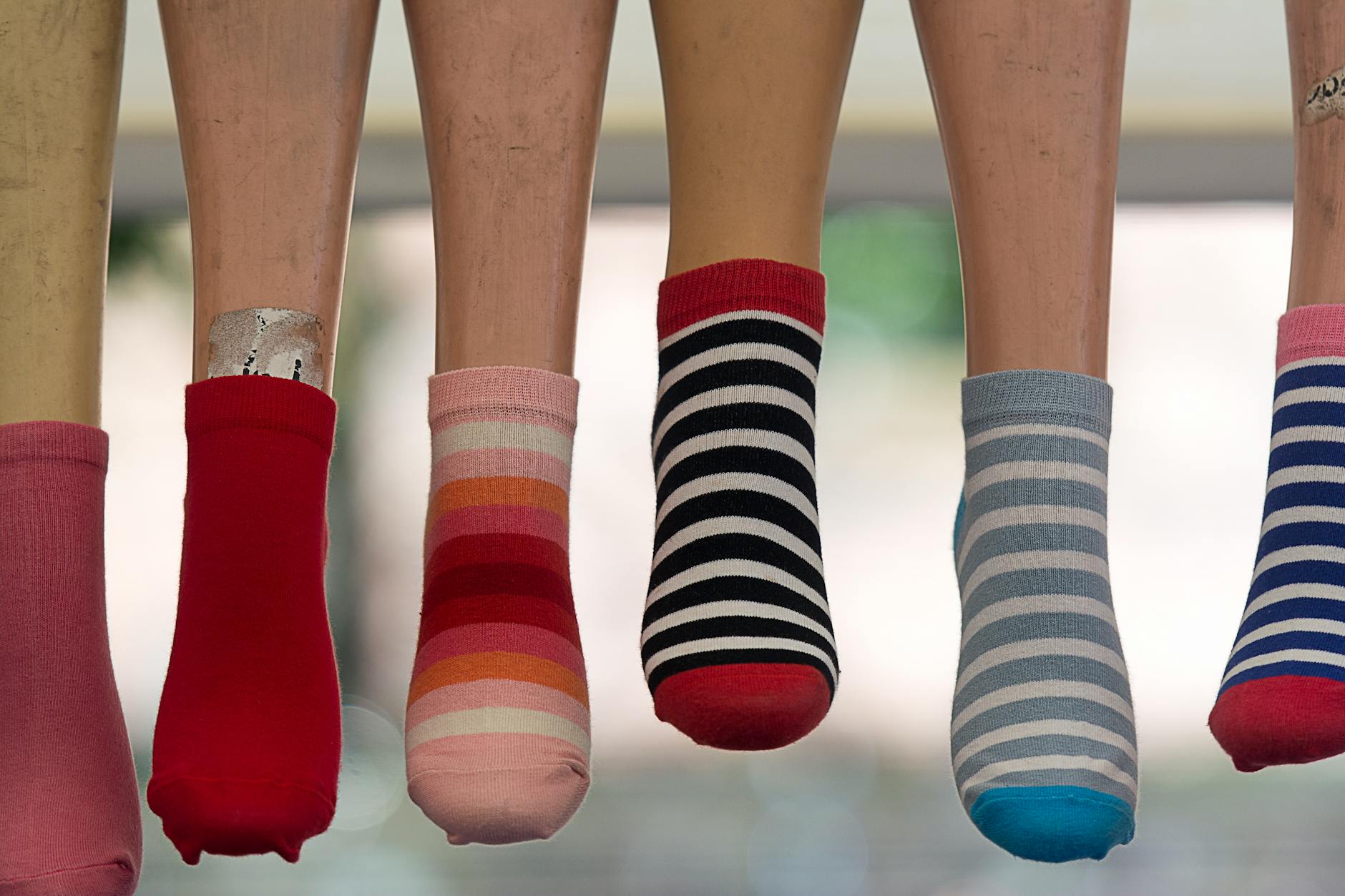
Beyond devices that help put socks on, the type of sock itself matters enormously for Alzheimer’s patients. **Posey Fall Management non Slip Socks** are bright-colored terrycloth socks featuring rubber tread pads that increase traction on smooth floors. The vivid colors serve a dual purpose: they’re easier for someone with visual-spatial difficulties to locate, and they help caregivers quickly confirm the person is wearing appropriate footwear. Standard gripper socks—those with non-slip grips on the soles—have become a staple in memory care facilities for good reason. Dementia patients often have balance issues and may shuffle their feet rather than lifting them fully with each step. Slippery socks on hardwood or tile floors create obvious fall hazards. The rubber treads provide stability during weight transfers, such as when standing up from a chair or turning around. One example worth noting: a caregiver might invest in an excellent sock aid but overlook the importance of the socks themselves. Using a sock aid to put on regular dress socks, then having the person walk on a bathroom tile floor, negates much of the safety benefit. Pairing a quality sock aid with appropriate non-slip socks creates a complete solution.
Some families keep two types—gripper socks for daily wear around the house and regular socks for outings with proper shoes. ## How to Choose Between Sock Aid Kits and Individual Devices The **Vive Sock Aid Device and Shoe Horn Kit** bundles multiple tools together—a sock assist and a long-handled shoe horn—with foam grips and slip-resistant design throughout. This approach makes sense when someone struggles with multiple aspects of footwear, not just socks. The foam grips accommodate arthritic hands, and having matching tools can reduce confusion compared to a drawer full of mismatched adaptive devices. Single-purpose devices like the **CAidRE Sock Aid** or **KEKOY** model may work better when the person only needs help with socks specifically, or when too many new objects create overwhelm. There’s a tradeoff here: kits offer convenience and often better value, but they also introduce more items that can get lost, mixed up, or cause confusion. For someone with Alzheimer’s who becomes anxious when faced with choices, a single clearly-labeled sock aid stored in the same place every day may produce better outcomes than a multi-piece kit. Consider the caregiver’s situation as well. If a home health aide assists with dressing and uses their own techniques, they may prefer specific tools they already know. If a spouse is providing care and managing multiple aspects of daily routine, a comprehensive kit reduces the number of separate purchases and keeps related items together.
Common Mistakes When Introducing Sock Aids to Dementia Patients
The most frequent error caregivers make is introducing a sock aid during a moment of frustration—either theirs or the patient’s. Presenting a new device when emotions are high almost guarantees rejection. The person with Alzheimer’s may interpret the tool as criticism of their abilities or become confused about why their routine is suddenly changing. Instead, introduce the sock aid on a calm day, perhaps framing it as something the caregiver is trying out for themselves. Another mistake involves assuming the person will remember how to use the device after a single demonstration.
Alzheimer’s disease severely impairs the ability to form new procedural memories. The sock aid may need to be re-introduced—gently, without impatience—every single time for weeks or months before it becomes somewhat familiar. Even then, the person may forget entirely during a bad cognitive day. A less obvious pitfall: purchasing a sock aid designed for maximum independence when the person actually needs caregiver-assisted use. Some devices are engineered for someone to operate entirely alone, with long cords and specific positioning requirements. For a person with moderate Alzheimer’s, a simpler design that a caregiver can load and hand over—requiring only that the person pull—may work far better than a technically superior but cognitively demanding alternative.
Emerging Technology: SmartSocks and Wearable Monitoring
The intersection of adaptive clothing and health technology has produced some genuinely innovative options. **SmartSocks by Milbotix** is an AI-enabled sock wearable designed specifically for older people. Beyond functioning as a sock, it monitors vital signs, detects distress signals, and helps predict and prevent falls—addressing multiple concerns that families of Alzheimer’s patients share. The technology is designed to be invisible to the wearer while providing data to caregivers and healthcare providers.
The company’s next-generation product, **SmartSocks COMFORT**, is expected to launch in mid-2026 with enhanced features. For families considering this option, the technology represents a shift from reactive to proactive care—potentially alerting caregivers to problems before a fall occurs rather than after. However, this category remains new, and long-term reliability data is limited. The devices also require charging and connectivity infrastructure that may complicate use in some home settings.

The Future of Adaptive Dressing Aids
The sock aid market has remained relatively static for decades, with most innovations being incremental improvements to existing designs—better grips, more durable materials, bundled accessories. The emergence of wearable technology like SmartSocks signals a potential shift toward “smart” adaptive clothing that serves multiple purposes simultaneously.
For Alzheimer’s care specifically, the most valuable innovations will likely focus on reducing cognitive load rather than adding features. What families should watch for in coming years: devices that provide gentle audio or visual cues to guide the dressing process, materials that work with existing smart home systems to track daily routines, and designs developed specifically with dementia patients—rather than general mobility limitations—as the primary user. The best sock aid five years from now may look quite different from today’s options, but the core need remains constant: helping people dress with safety and dignity for as long as possible.