
Best adaptive sits at the center of this dementia and brain health question.
The best adaptive clothing for people with Alzheimer’s disease combines magnetic closures, Velcro fasteners, and strategic openings that eliminate the frustration of buttons and zippers while preserving dignity. Leading options include Ovidis anti-strip jumpsuits ($57-$62), which were specifically designed based on real Alzheimer’s caregiving experiences, and Silverts’ Memory Care Collection with magnetic closures. For those dealing with undressing behaviors—a common challenge in middle-to-late stage dementia—back-zip jumpsuits from brands like Ovidis and Silverts ($74.98) prevent access to incontinence products while maintaining a normal appearance.
With 7.2 million Americans age 65 and older living with Alzheimer’s in 2025 and nearly 12 million family members providing unpaid care, the demand for practical dressing solutions has never been higher. A caregiver in Ohio, for example, might spend 30 minutes each morning wrestling with her mother’s button-down blouse—time that could be reduced to five minutes with a magnetic-closure top from Joe & Bella. This article covers the key features to look for, compares major brands and their specialties, addresses common challenges like anti-strip needs, and provides practical guidance on selecting the right adaptive wardrobe for your loved one’s specific stage of disease.
Table of Contents
- What Makes Clothing “Adaptive” for Alzheimer’s Patients?
- Key Features to Look for in Dementia-Friendly Clothing
- Comparing Top Adaptive Clothing Brands
- Understanding Anti-Strip Clothing for Undressing Behaviors
- The Caregiver Benefit: Reducing Physical Strain and Time
- Looking Ahead: Adaptive Clothing and Dementia Care Costs
What Makes Clothing “Adaptive” for Alzheimer’s Patients?
Adaptive clothing refers to garments engineered with modified closures, openings, and fabrics that accommodate physical limitations, cognitive decline, or both. For someone with Alzheimer’s disease, this typically means replacing small buttons with magnetic snaps that connect automatically, substituting traditional zippers with Velcro strips, and designing openings in unexpected places—like the back or sides—to make dressing easier for caregivers while reducing the need to lift or manipulate limbs. The cognitive component matters as much as the physical design. A person in the moderate stages of Alzheimer’s may no longer remember the sequence of steps required to put on a shirt or may become agitated when clothing feels restrictive.
Adaptive designs address this by minimizing decision points and eliminating tight necklines or complicated fastenings that can trigger confusion or resistance. Open-back tops, for instance, allow a caregiver to slip the garment over the arms and secure it from behind without requiring the person to raise their arms overhead or navigate a head opening. However, “adaptive” is not one-size-fits-all. Someone in early-stage Alzheimer’s who still dresses independently may only need pants with elastic waistbands and pull-over tops, while a person experiencing frequent undressing behaviors in later stages requires anti-strip jumpsuits with concealed back zippers. Matching the clothing to the current stage of disease—not where you expect them to be in a year—prevents unnecessary restriction of autonomy.
Key Features to Look for in Dementia-Friendly Clothing
The most important feature in adaptive clothing for Alzheimer’s patients is the closure system. Magnetic snap fasteners look identical to regular buttons but connect with minimal dexterity, allowing individuals with tremors or reduced fine motor skills to participate in dressing themselves. Velcro and easy-touch closures serve a similar purpose, though some caregivers report that Velcro can catch on other fabrics in the wash or lose grip over time with repeated laundering. Fabric choice directly impacts daily comfort and care burden. Look for moisture-wicking materials that pull sweat away from the skin, anti-microbial treatments that reduce odor between washes, and machine-washable construction that can handle frequent cleaning without requiring ironing.
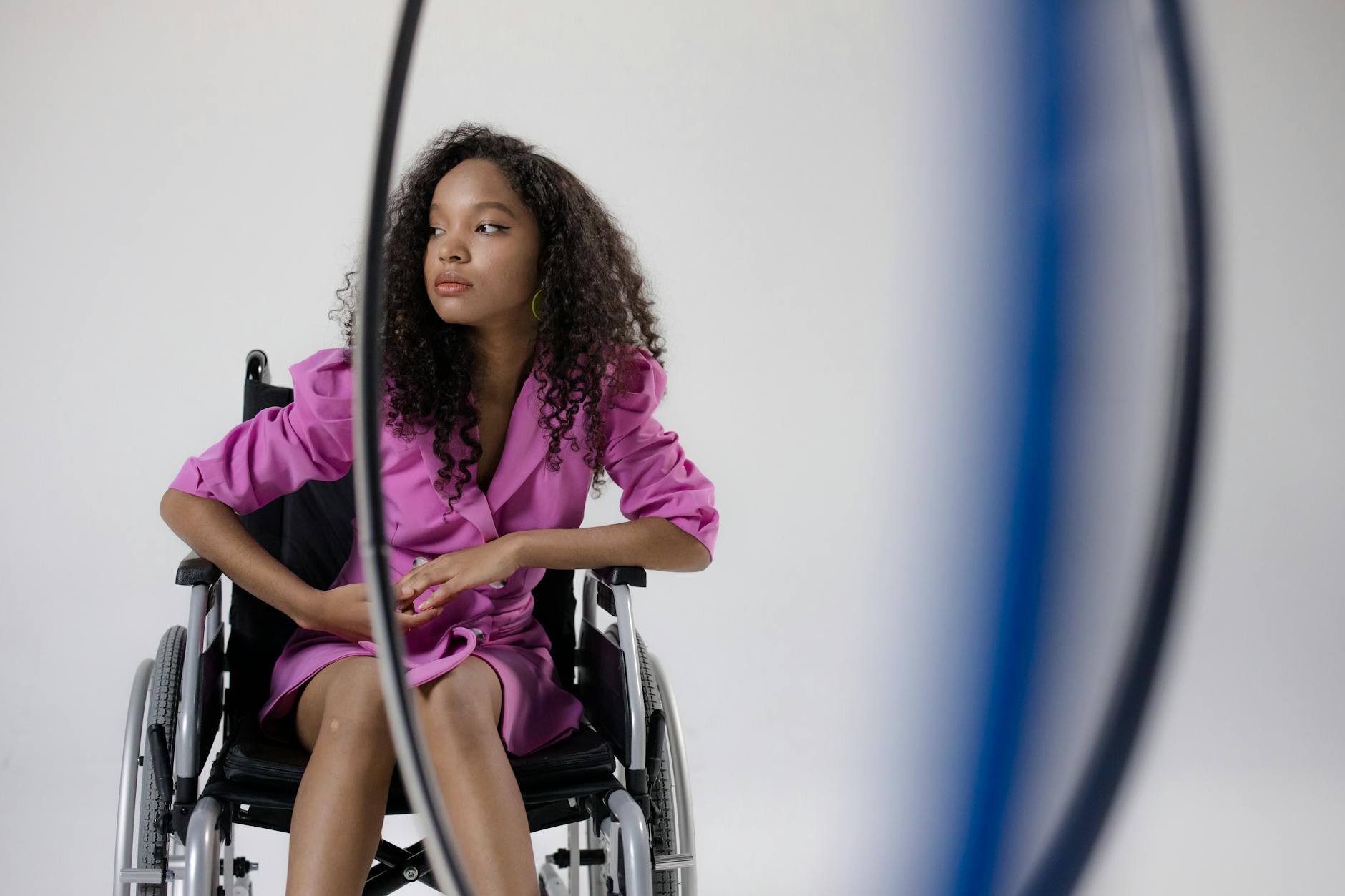
Many Alzheimer’s patients experience incontinence, making quick-dry, easy-care fabrics essential rather than optional. Minimal seams and tagless designs reduce skin irritation for individuals who may not be able to communicate discomfort. Strategic openings—side-opening pants, open-back tops, and wrap-style designs—serve different needs. Open-back tops work well for wheelchair users or those who spend significant time seated, as they eliminate bunching and pressure points. Side-opening pants allow for easier toileting assistance and diaper changes. However, if your loved one is still mobile and socially active, prioritize front-opening designs that look conventional; visible Velcro strips or obvious back openings can feel stigmatizing in public settings.
Comparing Top Adaptive Clothing Brands
Several companies have emerged as leaders in adaptive clothing for dementia care, each with distinct specializations. Ovidis stands out for its origin story—the company was founded specifically based on experiences caring for loved ones with Alzheimer’s—and focuses heavily on anti-strip jumpsuits designed to look like regular separates. Their Carrie women’s jumpsuit retails at $57 and their Bobby style at $60, making them among the more affordable options in this category. Joe & Bella and Silverts represent the mainstream of adaptive fashion, offering extensive catalogs that cover everything from everyday basics to special occasion wear.
Silverts’ Memory Care Collection specifically targets dementia needs with magnetic closures throughout, while their anti-strip jumpsuit at $74.98 sits at a higher price point but includes additional features. June Adaptive has carved a niche in adaptive undergarments, offering items like wrap bras with magnetic and Velcro closures that solve a problem many caregivers don’t anticipate until they face it. For those wanting their purchase to support dementia research directly, The Able Label—a UK-based company—donates 20% of each sale price to the Alzheimer’s Society. Buck & Buck focuses on Velcro closures and adjustable waistbands, while Resident Essentials specializes in designs with back snaps and strategic zipper placements commonly needed in memory care facilities. The tradeoff often comes down to price versus specialization: a general adaptive retailer may have lower prices, while a dementia-specific brand may better anticipate the particular challenges you’re facing.
Understanding Anti-Strip Clothing for Undressing Behaviors
One of the most challenging aspects of Alzheimer’s care involves managing undressing behaviors, where individuals repeatedly remove their clothing or access their incontinence products inappropriately. This behavior typically emerges in the middle to later stages of the disease and stems from various causes: the person may feel too warm, find their clothing uncomfortable, not recognize that they’re in a public space, or simply forget that they’ve already undressed. Anti-strip clothing addresses this by making self-removal difficult without caregiver assistance. Anti-strip jumpsuits feature back zippers—sometimes with locking mechanisms or hidden zipper pulls—that the wearer cannot easily reach or manipulate. The better designs look like a regular shirt-and-pants combination from the front, preserving the person’s dignity and normal appearance while preventing access to diapers or undergarments. Ovidis and Silverts both offer these solutions, with prices ranging from $57 to $75 depending on features and style. A critical warning: anti-strip clothing should be introduced thoughtfully and used only when genuinely necessary. Restricting someone’s ability to undress themselves removes a significant element of autonomy and can increase agitation if the underlying cause of the behavior isn’t addressed. Before investing in anti-strip garments, work with a healthcare provider to rule out treatable causes like urinary tract infections, skin irritation from current clothing, or environmental factors like room temperature. Anti-strip clothing is a management tool, not a first-line solution.
## Practical Tips for Building an Adaptive Wardrobe Start by auditing what your loved one already owns. Many existing garments can remain in rotation with minor modifications—a seamstress can replace buttons with magnetic snaps for a fraction of the cost of new adaptive clothing, and elastic waistbands can be added to favorite pants. Reserve purchases of specialized adaptive items for genuine needs that modifications can’t address, such as open-back designs or anti-strip jumpsuits. When purchasing new items, buy multiples of what works. If your mother accepts a particular blue magnetic-closure blouse without resistance, buy three more in similar colors. Familiarity reduces agitation during dressing, and having duplicates means you always have a clean version ready. This matters more than variety—someone with Alzheimer’s is unlikely to notice or care that they’re wearing the same style repeatedly, but they will react to clothing that feels unfamiliar or difficult. The tradeoff between cost and durability deserves consideration. Budget options from general retailers may cost less upfront but often use lower-quality Velcro that degrades quickly or fabrics that pill after several washes. Given that adaptive clothing for dementia patients typically undergoes more frequent washing than standard clothing, investing in higher-quality pieces from specialized brands often proves more economical over time. However, if your loved one is in a stage of rapid decline, purchasing expensive items that may only fit their needs for a few months doesn’t make financial sense.
The Caregiver Benefit: Reducing Physical Strain and Time
Adaptive clothing isn’t just about the person with Alzheimer’s—it significantly impacts caregiver health and sustainability. Traditional dressing often requires lifting arms, bending joints, and maneuvering the person into positions that strain both parties. Open-back designs eliminate the need to pull garments over the head, side openings reduce twisting during pants changes, and magnetic closures allow one-handed fastening while the other hand provides support.
For the nearly 12 million Americans providing unpaid dementia care, these efficiencies accumulate meaningfully. Reducing a 20-minute dressing struggle to a 5-minute routine twice daily saves nearly three hours per week—time that could go toward meaningful interaction, caregiver self-care, or simply reduced exhaustion. Professional caregivers in memory care facilities also benefit, as easier dressing reduces workplace injuries and allows more residents to be assisted within staffing constraints.
Looking Ahead: Adaptive Clothing and Dementia Care Costs
With Alzheimer’s health and long-term care costs projected to reach $384 billion in 2025 and the affected population expected to more than double to 13.8 million by 2060, adaptive clothing represents one small but meaningful area where families can improve quality of life while potentially reducing care burden. The growing market has attracted more manufacturers, increasing competition and slowly driving innovation in fabrics, closures, and designs.
The most promising developments involve “invisible” adaptive features—clothing that incorporates all the functional benefits without any visual indicators of medical need. As these designs become mainstream, the stigma sometimes associated with adaptive wear diminishes, making both patients and families more willing to adopt solutions that genuinely help. For now, the best adaptive clothing for someone with Alzheimer’s is whatever combination of features matches their current abilities, addresses their specific challenges, and allows them to feel like themselves for as long as possible.
You Might Also Like
- What’s the Best Adaptive Utensils for People with Alzheimer’s Disease?
- What’s the Best Hip Protector for People with Alzheimer’s Disease?
- What’s the Best Door Alarm for People with Alzheimer’s Disease?
For more, see NIH MedlinePlus — dementia.





