Best medical sits at the center of this dementia and brain health question.
Bay Alarm Medical currently stands out as the best overall medical alert system for people with dementia, offering advanced caregiver features, GPS tracking, and an average response time of just 16 seconds. For families prioritizing the fastest possible emergency response, the Medical Guardian MGMini Lite delivers an impressive 8-second average response time—the fastest in independent testing—though it comes at a higher monthly cost. The right choice depends on your specific situation: whether wandering is your primary concern, how much cognitive function remains, and what your budget allows. Consider a common scenario: Margaret, 74, has moderate Alzheimer’s and lives with her daughter.
She’s wandered from home twice in the past month. A medical alert system with GPS tracking and geofencing would allow her daughter to receive an immediate alert the moment Margaret steps beyond the front yard, potentially preventing a dangerous situation before it escalates. This isn’t hypothetical—between 35 and 60 percent of people with dementia will wander at least once, and many do so repeatedly. This article examines the top medical alert options for dementia care, breaks down essential features like GPS tracking and fall detection, explains what you can realistically expect to pay, and clarifies the often-confusing landscape of insurance coverage. We’ll also discuss limitations you should know about before purchasing.
Table of Contents
- Which Medical Alert Systems Work Best for Dementia Patients?
- Essential Features for Dementia-Specific Medical Alerts
- Why Wandering Prevention Matters More Than You Think
- What Will You Actually Pay for Dementia Medical Alert Systems?
- Will Insurance Cover Medical Alert Systems?
- Choosing Between Wristbands, Pendants, and Smartwatches
- What Happens When Dementia Progresses
- Conclusion
Which Medical Alert Systems Work Best for Dementia Patients?
The best medical alert systems for dementia patients share several critical features: gps location tracking, geofencing capabilities, fall detection, and simple one-button operation. Bay alarm Medical’s SOS Micro device checks all these boxes at $149 upfront plus $34.95 monthly (or $44.95 with fall detection), making it accessible for most families. Their in-home systems start even lower at $27.95 per month for those whose loved ones don’t leave the house unattended. Medical Guardian’s MGMini Lite represents the premium option at $149.95 upfront plus $56.95 monthly, but the investment may be worth it for some families.
In controlled testing, it detected all five fast falls and three of five slow falls with zero false alarms—a significant consideration given that false alarms can cause alert fatigue and lead caregivers to ignore genuine emergencies. The device’s 8-second average response time is nearly half that of competitors. ADT Medical Alert offers a middle-ground option at $31.99 monthly plus a $99 activation fee, with optional fall detection and no ongoing equipment fees. However, families should note that ADT’s system may be better suited for general senior monitoring rather than dementia-specific needs, as it lacks some of the advanced caregiver tracking features found in the other two options.

Essential Features for Dementia-Specific Medical Alerts
GPS tracking and geofencing are non-negotiable features for dementia care. GPS allows caregivers to check their loved one’s real-time location through a smartphone app, while geofencing sends automatic alerts when the person leaves a predefined safe area—whether that’s the house, the yard, or a specific neighborhood boundary. Without these features, you’re essentially buying a standard medical alert that won’t address dementia’s most dangerous symptom: wandering. fall detection adds another layer of protection, automatically contacting emergency services when a fall is detected, even if the person can’t press the button.
This matters because someone with dementia may not remember to press the alert button after a fall, or may not understand what the button does. Most providers charge approximately $10 extra per month for fall detection, which adds up to $120 annually but could prove invaluable in an emergency. However, fall detection technology isn’t perfect. The Medical Guardian MGMini Lite’s testing revealed it missed two of five slow falls—the kind that might occur when someone gradually slides off a chair or sinks to the ground. If your loved one is at high risk for these types of falls rather than sudden collapses, fall detection alone shouldn’t replace regular check-ins and supervision.
Why Wandering Prevention Matters More Than You Think
The statistics on dementia wandering are sobering: 35 to 60 percent of people with dementia will wander at least once, and with 7.2 million Americans aged 65 and older living with Alzheimer’s dementia as of 2025, that translates to millions of potential wandering incidents each year. Wandering puts individuals at significant risk of injury and death, particularly in extreme weather or near traffic. A geofencing alert can provide precious early intervention time. When a system detects that someone has left their safe zone, caregivers receive immediate notification—often within seconds.
Compare this to discovering hours later that your mother isn’t in her room, then trying to determine when she left and which direction she went. Those lost hours can mean the difference between finding someone disoriented but safe in a neighbor’s yard and a far worse outcome. Water-resistant wristband options address another practical concern: people with dementia often resist removing accessories or forget why they’re wearing them. A comfortable wristband that can be worn in the shower eliminates the daily struggle of remembering to put the device back on, and reduces the risk of falls in bathrooms—one of the most dangerous locations for seniors.

What Will You Actually Pay for Dementia Medical Alert Systems?
Monthly monitoring costs range from $25 to $70 depending on the provider and feature set. At the lower end, Bay Alarm Medical’s in-home system at $27.95 monthly covers basic monitoring without GPS. At the higher end, Medical Guardian’s full-featured MGMini Lite at $56.95 monthly includes GPS tracking, fall detection, and the fastest response times available. Device costs add another $0 to $300 upfront, with most quality options falling in the $100 to $150 range. The tradeoff between upfront and ongoing costs deserves careful consideration.
Bay Alarm Medical’s $149 device fee plus $34.95 monthly adds up to approximately $569 in the first year. Medical Guardian’s $149.95 device plus $56.95 monthly totals roughly $833 annually. Over three years, that difference grows to nearly $800—meaningful for families already stretched thin by caregiving expenses. Budget-conscious families might consider ADT’s $31.99 monthly option with its $99 activation fee, totaling about $483 in year one. The downside is potentially fewer dementia-specific features and longer response times. There’s no universally correct answer here; the best value depends on your loved one’s specific risks and your financial situation.
Will Insurance Cover Medical Alert Systems?
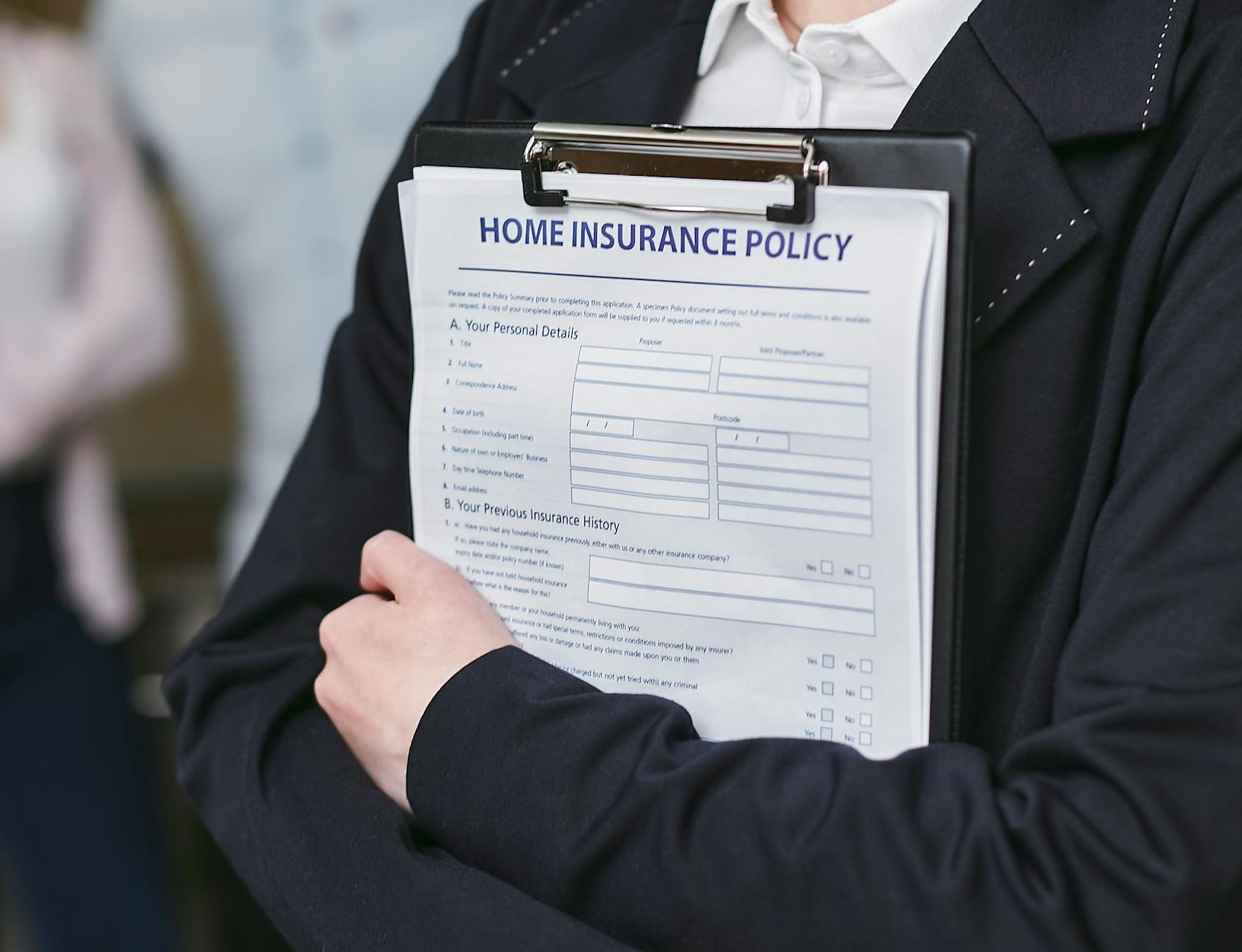
Original Medicare Parts A and B do not cover medical alert systems—they’re not classified as durable medical equipment under current guidelines. This surprises many families who assume Medicare covers most health-related expenses for seniors. No amount of medical documentation or physician recommendations will change this; it’s a categorical exclusion. Some Medicare Advantage (Part C) plans may cover 100 percent or a portion of medical alert system costs, but coverage varies dramatically between plans and changes annually.
Before assuming your plan covers these devices, call the number on your card and ask specifically about “personal emergency response systems” or “medical alert devices.” Get the answer in writing if possible. Medicaid may cover medical alert systems under Home and Community-Based Services (HCBS) waivers, but this varies significantly by state. Some states cover the full cost; others provide no coverage at all. Long-term care insurance offers the best chance of coverage, as many policies include provisions for devices that help policyholders remain at home rather than moving to assisted living facilities.
Choosing Between Wristbands, Pendants, and Smartwatches
Traditional pendants hang around the neck and work well for many seniors, but they present specific challenges for dementia patients. Someone with cognitive impairment may remove an unfamiliar necklace, mistake it for jewelry to put away, or simply forget it exists when an emergency occurs. Wristbands like the Medical Guardian MGMini Lite often work better because they feel more like a watch—a familiar accessory that many older adults wore throughout their lives.
Smartwatch-style devices offer the most features but come with significant limitations for dementia care. Their multiple buttons and touchscreens can confuse someone with cognitive impairment, potentially leading to accidental calls or inability to activate the alert when needed. The simple one-button operation of dedicated medical alert devices is critical for users who can’t remember complex sequences or distinguish between different functions.
What Happens When Dementia Progresses
Medical alert systems work best in early to moderate dementia stages, when the person can still understand the basic concept of pressing a button for help—or when GPS tracking of wandering is the primary concern. As dementia advances to later stages, these devices become less effective. Someone who can’t remember what the device does, repeatedly removes it despite interventions, or becomes bed-bound may no longer benefit from a personal alert system.
Families should view medical alert systems as one tool in a broader care strategy, not a permanent solution. Many families find these devices buy them additional months or years of safe independent or semi-independent living for their loved one, but eventually, more intensive supervision becomes necessary. Planning for that transition while the current system is working—rather than waiting for a crisis—leads to better outcomes for everyone involved.
Conclusion
The best medical alert system for someone with dementia combines GPS tracking, geofencing, fall detection, and simple operation in a comfortable, water-resistant form factor. Bay Alarm Medical offers the best overall value with strong caregiver features and fast response times, while Medical Guardian’s MGMini Lite justifies its higher price for families who prioritize the fastest possible emergency response. ADT provides a budget-friendly middle option for those with less complex needs.
Before purchasing, verify whether your Medicare Advantage plan, Medicaid, or long-term care insurance might offset costs. Test any device’s comfort and ease of use with your loved one before committing to a long-term contract. Most importantly, remember that no device replaces human supervision and care—these systems are valuable safety nets, but they work best as part of a comprehensive dementia care plan.
You Might Also Like
- What’s the Best Fall Prevention Mat for People with Dementia?
- What’s the Best Hip Protector for People with Alzheimer’s Disease?
- What’s the Best Door Alarm for People with Alzheimer’s Disease?
For more, see Alzheimer’s Association — medical tests.