Best gps sits at the center of this dementia and brain health question.
The best GPS tracker for Alzheimer’s wandering prevention depends on your loved one’s specific situation, but **AngelSense** consistently ranks as the top choice for dementia caregivers due to its two-way speakerphone, tamper-proof attachment system, and real-time behavior alerts. For those who need a completely hidden solution—particularly for individuals who remove wearable devices—the **GPS SmartSole** offers an innovative approach by embedding tracking technology directly into a shoe insole. Both devices address the critical reality that 35 to 60 percent of people with dementia will wander at least once during their illness, and the consequences can be fatal: research shows that up to 50 percent of wanderers not found within 24 hours will die. Consider Margaret, an 82-year-old with moderate Alzheimer’s whose family discovered she had walked three miles from home at 2 a.m.
before a neighbor spotted her. After that incident, her daughter installed a GPS SmartSole in her mother’s favorite walking shoes. The device sends an automatic alert whenever Margaret leaves her designated safe zone, allowing the family to respond within minutes rather than hours. This kind of intervention matters enormously—studies show a 93 percent survival rate when wanderers are found within 12 hours, dropping to just 33 percent when the search extends beyond 24 hours. This article compares the leading GPS trackers available in 2026, examines the features that matter most for dementia care, discusses the challenges caregivers face when implementing tracking technology, and provides practical guidance for choosing and using these devices effectively.
Table of Contents
- Which GPS Tracker Works Best for Different Stages of Dementia?
- Understanding the True Danger of Alzheimer’s Wandering
- Comparing Subscription Costs and Long-Term Value
- Key Features That Actually Matter for Dementia Care
- When GPS Trackers Fall Short
- Involving the Person with Dementia in the Decision
- The Future of Wandering Prevention Technology
- Conclusion
Which GPS Tracker Works Best for Different Stages of Dementia?
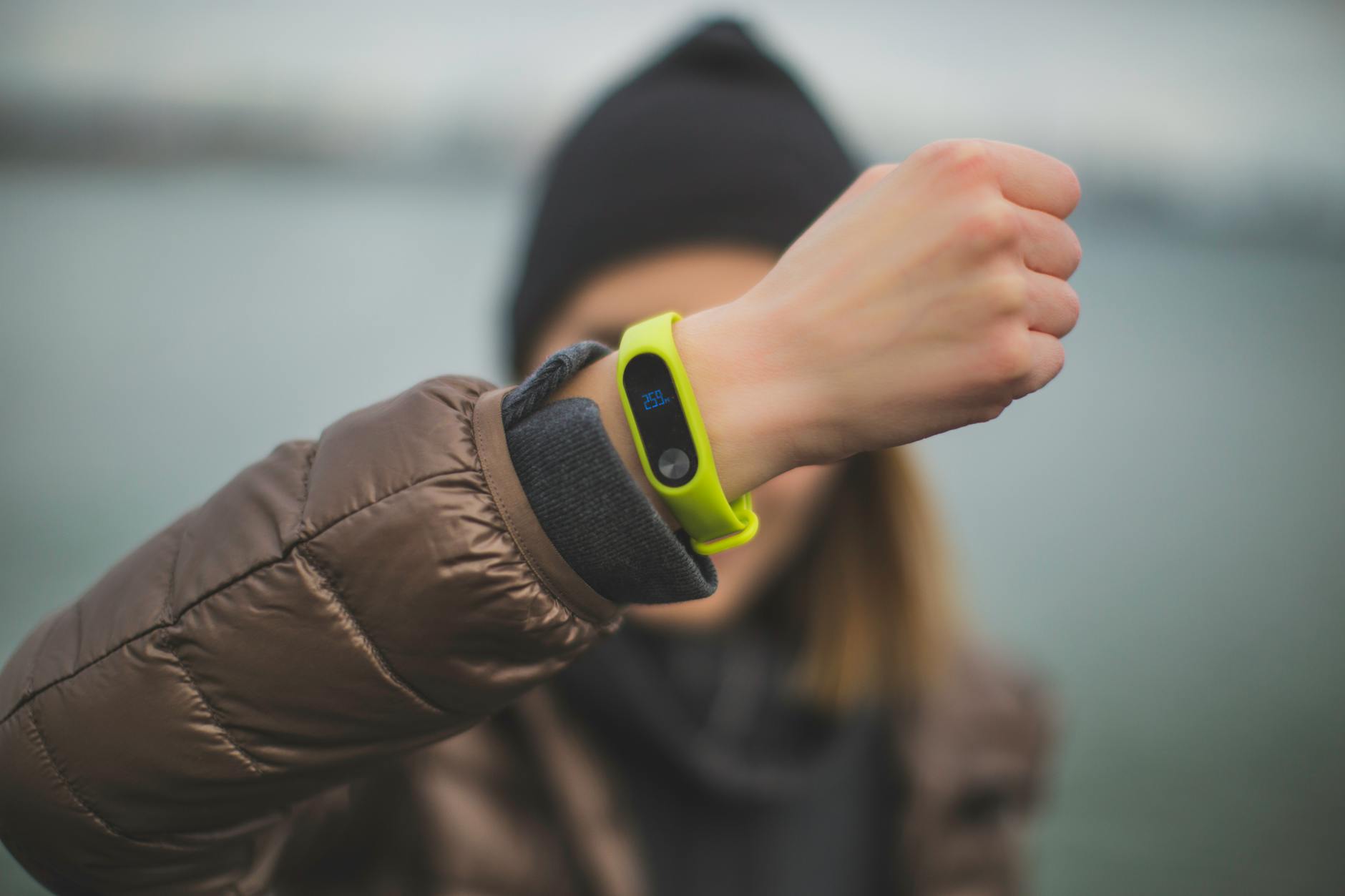
The right GPS tracker changes as dementia progresses. In early stages, when a person retains some awareness of their condition, a watch-style device like the **Tranquil Watch** often works well. Its analog design looks like an ordinary timepiece, preserving dignity while providing week-long battery life and waterproof construction. Many people in early-stage dementia will accept wearing a watch without resistance, especially if it resembles something they wore before their diagnosis. Middle-stage dementia presents different challenges. Individuals often become suspicious of unfamiliar objects and may remove devices they notice.
This is where the **Jiobit** tracker excels—its compact size allows caregivers to clip it discreetly to a belt loop, bra strap, or inside a jacket pocket. At $129.99 with a $49.99 monthly subscription, it offers 60 voice minutes per month for two-way communication without the bulk of larger devices. For advanced dementia, when the person may actively resist wearing anything new or regularly removes items from their body, hidden solutions become essential. The GPS SmartSole, priced at $359 with a $29.95 monthly subscription, remains invisible because the person never knows it exists. The limitation here is obvious: it only works if the person actually wears those particular shoes. Families often buy multiple pairs of insoles to ensure coverage, though this increases the overall investment significantly.
Understanding the True Danger of Alzheimer’s Wandering
The statistics on dementia wandering are sobering and should inform every family’s urgency in implementing tracking solutions. With 7.2 million Americans age 65 and older currently living with Alzheimer’s dementia, the scope of potential wandering incidents is enormous. The 35 to 60 percent wandering rate means millions of families will face this crisis at some point during their caregiving journey. Weather conditions dramatically affect survival outcomes. A Nova Scotia study found that in extreme weather—whether bitter cold or dangerous heat—the mortality rate for wanderers not found within 24 hours climbs to 70 percent.
This finding underscores why real-time tracking with immediate geofencing alerts matters more than devices that simply log location history. When your father walks out the door at midnight in January, you need to know within minutes, not hours. However, technology alone cannot prevent all wandering incidents. GPS trackers require charged batteries, cellular connectivity, and someone monitoring the alerts. Families who rely exclusively on tracking without implementing additional safety measures—door alarms, identification bracelets, neighborhood awareness—may find themselves in dangerous situations when technology fails. The tracker should be one layer in a comprehensive safety plan, not the entire plan itself.
Comparing Subscription Costs and Long-Term Value
The monthly subscription cost often matters more than the initial device price over the lifetime of use. AngelSense, while frequently offering the device free with a contract, charges between $45 and $65 monthly—the highest ongoing cost among major options. For families on fixed incomes caring for someone who may need tracking for years, this adds up to $540 to $780 annually.
The GPS SmartSole occupies an interesting middle ground: high upfront cost at $359, but the lowest monthly subscription at $29.95. Over three years of use, this actually becomes more economical than AngelSense despite the initial investment. Families should calculate total cost of ownership over their expected usage period rather than focusing solely on purchase price or monthly fees in isolation.
- *Family1st** trackers offer an alternative approach with lower device costs and variable subscription rates, plus notably long battery life and fast geofencing alerts. For families whose primary concern is basic location tracking rather than advanced features like two-way calling, this budget-conscious option provides core functionality without premium pricing. The tradeoff involves fewer sophisticated features—you get reliable tracking without the behavioral analytics and communication tools that more expensive options include.

Key Features That Actually Matter for Dementia Care
Geofencing—the ability to set virtual boundaries that trigger alerts when crossed—stands as the single most important feature for wandering prevention. Every serious GPS tracker offers this capability, but implementation quality varies. AngelSense provides detailed behavior alerts that can distinguish between a brief step outside to get the mail versus a sustained movement away from home. Less sophisticated systems may flood caregivers with false alarms, leading to alert fatigue that causes real emergencies to be ignored. Tamper-resistant design addresses a challenge unique to dementia care. Unlike tracking children who might remove a device out of embarrassment, people with dementia often remove trackers because the unfamiliar object causes confusion or agitation.
AngelSense’s attachment system makes removal extremely difficult without tools, though some families report that determined individuals still find ways to defeat it. The GPS SmartSole sidesteps this problem entirely by hiding the technology, though it sacrifices the emergency SOS button that other devices provide. Waterproof ratings matter more than many families initially realize. Dementia often affects judgment about bathing and weather, meaning a person might shower while wearing their tracker or walk outside in a rainstorm. Devices without adequate water resistance may fail precisely when they’re needed most. The Tranquil Watch’s waterproof construction specifically addresses this concern for watch-style wearables.
When GPS Trackers Fall Short
GPS technology has inherent limitations that families must understand. Indoor tracking remains problematic—GPS signals weaken or disappear entirely inside buildings, particularly in large structures with metal frames or underground areas. If someone with dementia wanders into a shopping mall, hospital, or parking garage, the tracker may show their last outdoor location rather than their current position. Some devices supplement GPS with WiFi positioning and cellular triangulation to improve indoor accuracy, but none offer the precision indoors that they achieve outside. Battery life creates another vulnerability. The Tranquil Watch’s one-week battery represents the high end; many devices require charging every two to three days.
Establishing a reliable charging routine challenges caregivers who already manage medication schedules, meal preparation, and personal care. A tracker with a dead battery provides no protection at all. Some families purchase two devices and rotate them to ensure one is always charged and active. Rural areas with limited cellular coverage may experience delayed or failed alerts. Subscription services rely on cellular networks to transmit location data, and geographic dead zones still exist across significant portions of the country. Families in rural settings should test their chosen device throughout their local area before relying on it completely.
Involving the Person with Dementia in the Decision
When possible—particularly in early-stage dementia—including the person in selecting their tracking device improves acceptance and reduces resistance. Someone who chooses a watch they find attractive will wear it more consistently than someone who has an unfamiliar gadget imposed on them. This conversation also provides an opportunity to discuss safety concerns openly while the person retains enough cognitive function to understand the purpose.
A man in his early seventies with recently diagnosed mild cognitive impairment worked with his wife to select a Jiobit tracker that clips to his belt, the same place he’d carried a phone case for decades. The familiar placement made the device feel like a natural part of getting dressed rather than a medical intervention. Two years later, as his condition progressed, the routine remained ingrained even as his understanding of why he wore it faded.
The Future of Wandering Prevention Technology
Tracking technology continues advancing rapidly. Newer devices incorporate fall detection, heart rate monitoring, and predictive algorithms that may eventually identify wandering behavior before it begins based on movement patterns. Integration with smart home systems allows trackers to work in concert with door sensors, automated locks, and caregiver notification systems for layered protection.
The fundamental challenge remains unchanged: balancing safety with autonomy. The most sophisticated tracker in the world cannot restore a person’s previous independence, and families must navigate the emotional weight of monitoring a loved one’s every movement. Technology serves as a tool for safety, not a solution for the underlying disease.
Conclusion
Choosing a GPS tracker for Alzheimer’s wandering prevention requires matching device capabilities to your loved one’s specific stage of dementia, daily habits, and your family’s budget. AngelSense offers the most comprehensive feature set for families who need two-way communication and sophisticated alerts, while GPS SmartSole provides an undetectable solution for those who remove visible devices. Family1st and Jiobit present more affordable options without sacrificing core tracking functionality.
The urgency of implementing some form of tracking cannot be overstated given the survival statistics. Starting with any reliable GPS tracker today protects better than waiting for the perfect solution. Test the device thoroughly in your specific environment, establish charging routines before you need them in a crisis, and remember that tracking technology works best as part of a broader safety strategy that includes physical home modifications, caregiver education, and community awareness.
You Might Also Like
- What’s the Best Weighted Blanket for Alzheimer’s Patients?
- What’s the Best Support Cushion for Alzheimer’s Car Travel?
- What’s the Best Spill-Proof Cup for Alzheimer’s Patients?
For more, see National Institute on Aging.