The best seat cushion for Alzheimer’s caregivers who spend long hours sitting is the **ComfiLife Gel Enhanced Seat Cushion**, which earns doctor recommendations for back and sciatica relief while maintaining over 50,000 reviews averaging 4.5 stars. This cushion combines memory foam support with gel cooling technology and includes a carry handle for caregivers who move between locations throughout the day. For those who need both seat and lumbar support, the Everlasting Comfort Memory Foam Seat/Back Cushion Combo offers an editor’s choice combination that addresses the multiple pressure points affected during extended caregiving sessions.
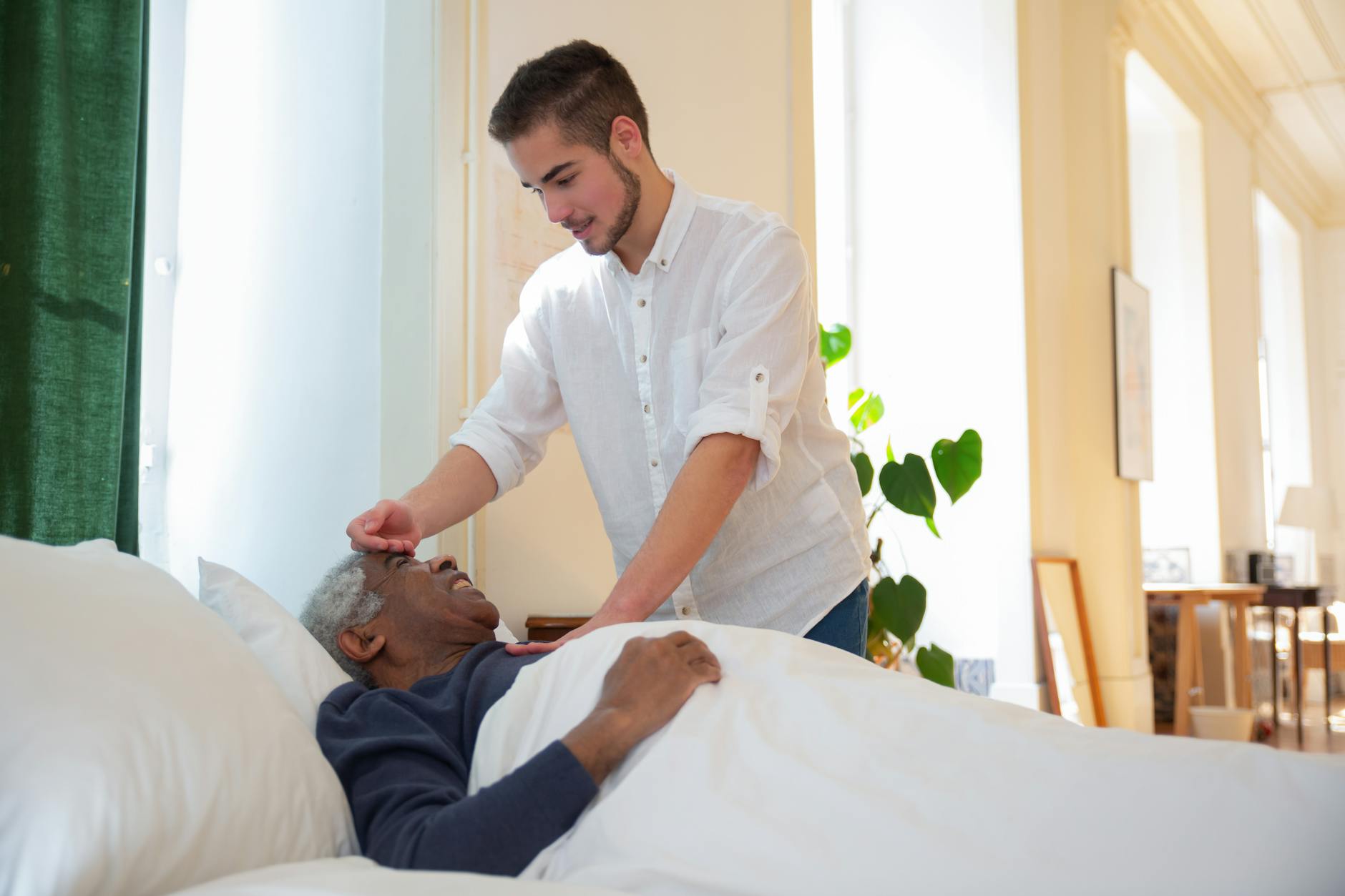
Caring for a parent with Alzheimer’s disease often means sitting for prolonged periods—beside hospital beds, in waiting rooms, during doctor appointments, or simply keeping company during difficult moments. According to the Alzheimer’s Association’s 2024 Facts and Figures report, 28% of Alzheimer’s and dementia caregivers rate their physical strain as “high,” compared to just 17% for caregivers of people with other conditions. A daughter who spends four hours daily sitting beside her father during his afternoon confusion episodes, or a son who accompanies his mother to three medical appointments weekly, accumulates significant physical stress that compounds over months and years. This article covers why standard office cushions often fall short for dementia caregivers’ specific needs, what features matter most for extended sitting, budget-friendly options that still deliver quality, and specialized lift-assist cushions that serve double duty when helping transfer a parent from seated positions.
Table of Contents
- Why Do Alzheimer’s Caregivers Need Specialized Seat Cushions?
- What Features Should Caregivers Look for in Memory Foam Seat Cushions?
- Which Budget-Friendly Seat Cushions Work for Dementia Caregivers?
- How Do Lift-Assist Cushions Help with Patient Transfers?
- What Are the Limitations of Seat Cushions for Caregiver Health?
- Can Caregivers Use HSA or FSA Funds for Seat Cushions?
- How Can Caregivers Maintain Their Cushion Investment?
- Conclusion
Why Do Alzheimer’s Caregivers Need Specialized Seat Cushions?
Dementia caregiving involves a distinct pattern of physical demands that differs from typical desk work or even other caregiving situations. The 2023 AARP survey of 1,001 adult respondents found that 37% of all caregivers report experiencing physical strain from their duties. Among dementia caregivers specifically, back pain, musculoskeletal problems, and sleep issues rank among the most common physical complaints. These problems often stem not from single incidents but from the accumulated toll of sitting in suboptimal positions for unpredictable lengths of time. Consider the difference between an office worker who can schedule movement breaks and a caregiver sitting with a parent experiencing a sundowning episode.
The office worker chooses when to stand; the caregiver stays seated as long as their parent needs reassurance. This unpredictability means cushions must perform well for both 20-minute waits and four-hour vigils. Standard chair padding compresses quickly and offers little support after the first hour, precisely when caregivers need it most. The physical strain compounds because Alzheimer’s caregiving often spans years rather than months. A cushion that seems adequate during the first weeks of use may contribute to chronic pain as months pass. Investing in proper support from the beginning costs less than treating the back problems, sciatica, and hip pain that develop from prolonged inadequate seating.

What Features Should Caregivers Look for in Memory Foam Seat Cushions?
The most effective seat cushions for extended use share several key characteristics. High-density memory foam with a U-shaped cutout relieves pressure on the tailbone and coccyx, which bears disproportionate weight during long sitting sessions. According to ergonomic research, the best cushions should keep you one to two inches off the chair surface even when fully seated—if a cushion compresses completely under your weight, it provides little benefit beyond a regular chair. Gel-infused memory foam options offer better cooling for extended sitting periods, an important consideration for caregivers who may sit for hours in warm hospital rooms or facilities with inconsistent climate control. The Everlasting Comfort Memory Foam Cushion features this gel-infused design specifically for breathability.
However, gel cushions typically cost more than pure memory foam alternatives, so caregivers on tight budgets should prioritize density and thickness over cooling features if forced to choose. Removable, washable covers matter more for caregivers than for typical office users. Spills happen during caregiving—beverages knocked over during transfers, accidents during bathroom assistance, food dropped during feeding help. The Xtreme Comforts Coccyx Orthopedic Memory Foam Cushion includes a removable washable cover, making it practical for the realities of hands-on care. A cushion without a washable cover may need replacement within months rather than years.
Which Budget-Friendly Seat Cushions Work for Dementia Caregivers?
Not every caregiver can invest in premium cushions, particularly given the broader financial pressures of Alzheimer’s care. The Xtreme Comforts Coccyx Orthopedic Memory Foam Cushion earns recommendations specifically for value while still addressing hip pain, sciatica, and arthritis symptoms common among caregivers. The Equate Memory Foam Coccyx Cushion, available at Walmart, offers another affordable option with an important advantage: HSA and FSA eligibility, allowing caregivers to use pre-tax healthcare dollars for their purchase. Budget cushions require more careful evaluation than premium options. A $20 cushion that compresses flat within two months costs more over a year than a $60 cushion lasting eighteen months.
When evaluating affordable options, press firmly on the cushion before purchase if possible—if it easily compresses to less than an inch thick under hand pressure, it will likely bottom out quickly under body weight. Online reviews mentioning durability over time provide more useful information than initial comfort impressions. One practical approach involves purchasing an affordable cushion initially while saving for a premium option. This provides immediate relief while allowing time to identify which features matter most for your specific caregiving situation. A caregiver who discovers they spend most of their sitting time in a car driving to appointments may prioritize different features than one who primarily sits in a specific chair at their parent’s facility.
How Do Lift-Assist Cushions Help with Patient Transfers?
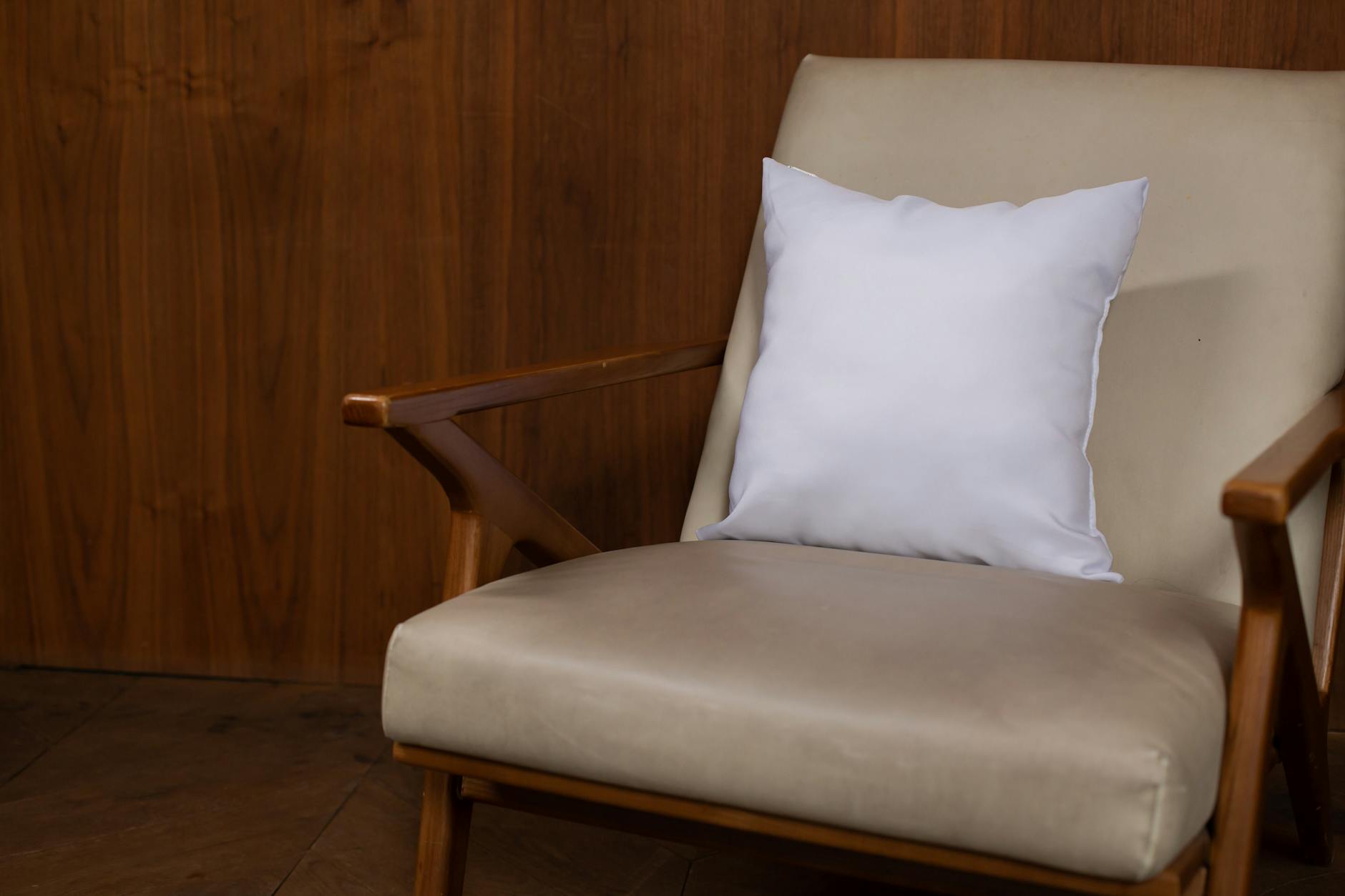
Some seat cushions serve a dual purpose for dementia caregivers: supporting the caregiver’s comfort while also assisting with patient transfers. As Alzheimer’s disease progresses, many patients need help rising from seated positions. Lifting a parent repeatedly causes significant strain on a caregiver’s back, shoulders, and arms—the exact areas already stressed by long sitting periods. The Carex Upeasy Seat Assist weighs 9 pounds and provides up to 70% lift assistance for users between 95 and 220 pounds. This mechanical cushion uses a spring-loaded mechanism to help raise a seated person, reducing the physical effort required from caregivers during transfers.
For larger patients, the VOCIC Electric Chair Lift AX15 supports up to 440 pounds and includes a memory foam cushion along with safety belts for secure transfers. However, lift-assist cushions require proper training to use safely. An improperly positioned cushion can cause a patient to fall rather than rise smoothly. These devices work best when both caregiver and patient practice transfers in controlled circumstances before relying on them during actual care situations. Some families find it helpful to have a physical therapist demonstrate proper techniques during a home visit.
What Are the Limitations of Seat Cushions for Caregiver Health?
While quality seat cushions meaningfully reduce physical strain, they cannot substitute for movement and proper ergonomics. No cushion eliminates the health consequences of prolonged sitting—it only reduces them. Caregivers should still stand and move whenever their care situation permits, even if only for 30 seconds of stretching between extended sitting periods. Certain medical conditions may make specific cushion types inappropriate. Caregivers with circulation problems may find that some memory foam cushions, particularly those without cooling gel, trap heat and worsen symptoms.
Those with severe sciatica might require prescription cushions or seat modifications rather than over-the-counter options. If pain persists or worsens despite using a quality cushion, consulting a healthcare provider about the specific issue makes more sense than trying different cushions. Seat cushions also cannot address all the physical strains of dementia caregiving. The lifting, bending, and physical support involved in daily care require separate interventions: proper body mechanics training, assistive devices for transfers, and regular exercise to maintain caregiver strength and flexibility. A cushion handles the sitting portion of caregiving strain while other approaches must address the rest.
Can Caregivers Use HSA or FSA Funds for Seat Cushions?
Many seat cushions qualify for purchase with Health Savings Account or Flexible Spending Account funds, effectively providing a discount equal to the caregiver’s tax rate. The Equate Memory Foam Coccyx Cushion explicitly lists HSA/FSA eligibility, and many other ergonomic cushions qualify as well. This eligibility matters because dementia caregivers often face significant out-of-pocket healthcare expenses and benefit from any opportunity to use pre-tax dollars.
To confirm HSA/FSA eligibility before purchase, caregivers should check their specific plan’s approved item list or contact their plan administrator. Some plans require a letter of medical necessity from a physician, which most doctors will provide for caregivers experiencing documented back pain or musculoskeletal issues. Keeping receipts is essential—even eligible purchases may require documentation for reimbursement or in case of plan audits.
How Can Caregivers Maintain Their Cushion Investment?
Proper maintenance extends cushion life significantly, an important consideration for caregivers watching every expense. Memory foam cushions should air out regularly—removing them from chairs overnight allows moisture accumulated during the day to evaporate, preventing the breakdown that dampness accelerates. Washable covers should be cleaned monthly or more frequently if exposed to spills, following the manufacturer’s temperature guidelines to prevent shrinkage.
Most quality memory foam cushions last eighteen months to three years with proper care, though this varies with usage intensity. Caregivers using cushions eight hours daily will see faster wear than those using them for occasional appointments. When a cushion begins compressing to less than an inch under normal sitting, or when it no longer returns to its original shape after standing, replacement time has arrived. Continuing to use a worn cushion provides little benefit over sitting directly on the chair.
Conclusion
For Alzheimer’s caregivers dealing with the documented higher physical strain of dementia care, a quality seat cushion represents a modest investment with meaningful returns. The ComfiLife Gel Enhanced Seat Cushion offers the best combination of support, cooling, and portability for most caregivers, while budget-conscious options like the Equate Memory Foam Coccyx Cushion provide HSA/FSA eligibility and adequate support at lower cost.
Those who also need help with patient transfers should consider dedicated lift-assist devices like the Carex Upeasy Seat Assist rather than expecting a standard cushion to serve both purposes. The right cushion alone won’t solve the physical challenges of caring for a parent with Alzheimer’s disease, but it addresses one significant source of cumulative strain. Combined with regular movement, proper lifting techniques, and attention to overall health, quality seating support helps caregivers sustain their ability to provide care over the long duration that dementia caregiving typically requires.