The best seat cushion for family members visiting someone with Alzheimer’s is a natural latex foam or gel-foam combination cushion with a non-slip rubber bottom and a machine-washable cover. Natural latex foam cushions are considered the top choice for elderly comfort because they allow skin to breathe, prevent overheating, and offer exceptional resiliency over extended sitting periods. For families spending hours at a loved one’s bedside or in a care facility visiting room, these features make the difference between leaving stiff and sore or remaining comfortable throughout meaningful time together. Consider a practical example: a daughter visiting her mother in memory care three times a week for two-hour stretches.
A standard facility chair with minimal padding will leave her with lower back pain and tailbone discomfort within thirty minutes. A cushion like the Everlasting Comfort seat cushion, which has earned nearly 24,000 five-star reviews on Amazon and costs approximately $32.95 to $39.95, transforms that same chair into a supportive seating option. The TushGuard memory foam cushion offers a budget-friendly alternative at around $19.99, featuring a U-shaped cutout for tailbone relief. This article covers the specific cushion types that work best for visiting family chairs, critical health and safety considerations, how to choose between memory foam, gel, and latex options, and practical maintenance tips for long-term use in care settings.
Table of Contents
- Why Does Cushion Choice Matter for Alzheimer’s Family Visits?
- What Types of Seat Cushions Work Best for Extended Visits?
- How Do Safety Features Protect Both Visitors and Patients?
- What Should You Look for When Choosing a Visiting Chair Cushion?
- What Are Common Problems with Seat Cushions in Care Settings?
- How Do Specialized Dementia Care Chairs Compare to Portable Cushions?
- What’s the Long-Term Cost of Cushion Ownership?
- Conclusion
Why Does Cushion Choice Matter for Alzheimer’s Family Visits?
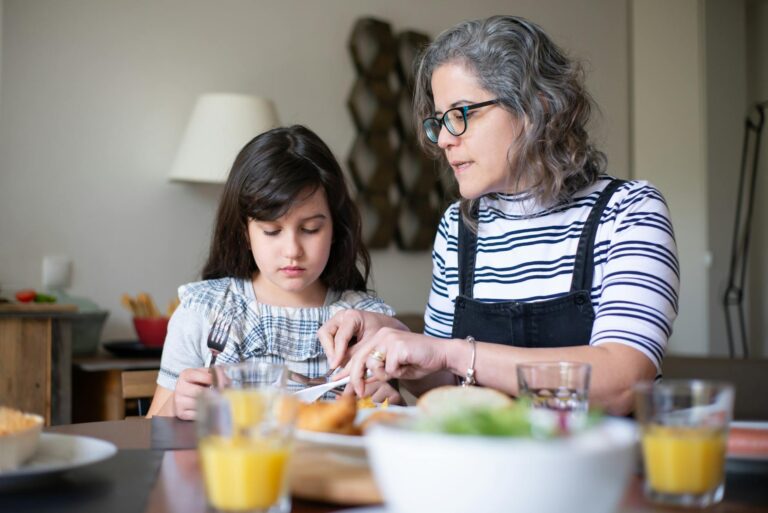
Family visits with Alzheimer’s patients often last longer than typical social calls. The unpredictable nature of dementia means some days your loved one is more responsive and you stay longer, while other visits involve quiet companionship that stretches into hours. Facility chairs and home seating in bedrooms or living areas are rarely designed for this kind of extended use, leaving visiting family members with aching backs, numb legs, and tailbone pain. The physical discomfort matters more than many people realize. When you’re uncomfortable, you leave sooner.
When you leave sooner, you miss the good moments that sometimes emerge unexpectedly with dementia patients. A person with Alzheimer’s might suddenly become more lucid and want to talk, or they might need that extra thirty minutes of hand-holding to feel secure. Your ability to be present depends partly on whether you can sit comfortably. Beyond visitor comfort, cushion choice also affects the patient if they’re sitting in visiting chairs themselves. Prolonged sitting puts dementia patients at much higher risk of developing pressure ulcers and sores compared to the general population, making proper cushion selection a genuine health concern rather than a mere comfort preference.

What Types of Seat Cushions Work Best for Extended Visits?
Three main cushion types dominate the market for this use case, each with distinct advantages. Natural latex foam cushions offer the best combination of breathability and long-term support. They allow skin to breathe, prevent the heat buildup that causes sweating and discomfort, and maintain their shape over years of use. However, they tend to cost more upfront and may feel firmer than some people prefer initially. Gel-foam combination cushions like the Drive Medical Gel-U-Seat represent a middle ground.
These contain high-density foam surrounded by dual-chamber gel bladders, making them ideal for pressure ulcer prevention. The gel component distributes weight more evenly than foam alone, which matters during visits lasting more than an hour. The tradeoff is that gel cushions may harden in cold conditions until warmed by body heat, so they can feel uncomfortable for the first few minutes if stored in a cold car. memory foam cushions, including popular options like ComfiLife and TushGuard, use body heat to mold into your specific shape. This personalized contouring provides excellent pressure relief, and U-shaped ergonomic designs are recommended by doctors and orthopedic specialists for lower back and sciatica pain relief. The limitation is that memory foam cushions may require replacement after approximately 1.5 years of daily use, as the foam gradually loses its responsiveness.
How Do Safety Features Protect Both Visitors and Patients?
Non-slip rubber bottoms rank among the most critical safety features for any cushion used in Alzheimer’s care settings. Standard cushions without this feature slide around on chair seats, creating a fall hazard when visitors stand up or shift position. This becomes especially dangerous if a patient with dementia uses the same cushion, as they may not recognize the instability. Low wedge-type cushions offer another safety advantage worth considering.
These cushions are thicker at the front and thinner at the back, which helps prevent users from sliding forward in their chairs. For family members who tend to slouch or for dementia patients who have difficulty maintaining proper posture, this design keeps the pelvis in a safer, more stable position. One important warning: avoid vinyl cushions when wearing polyester clothing. This combination creates a slippery surface that increases sliding hazards significantly. If your loved one’s care facility has vinyl-covered chairs, bringing your own cushion with a fabric top surface addresses this safety concern while improving comfort.

What Should You Look for When Choosing a Visiting Chair Cushion?
Built-in handles make a surprisingly large practical difference for regular visitors. When you’re carrying a bag with items for your loved one, managing medication schedules, and navigating care facility hallways, a cushion with a handle becomes much easier to transport between rooms. This feature also helps when multiple family members share the same cushion across different visiting spaces. Weight capacity matters more than many buyers realize. ComfiLife cushions, for example, recommend optimal support for users up to 225 lbs.
Using a cushion beyond its weight capacity accelerates foam breakdown and reduces the pressure-relieving benefits you’re paying for. Check manufacturer specifications before purchasing, especially if multiple family members of varying sizes will share the cushion. Working with a trained Occupational Therapist is recommended when selecting seating for dementia patients themselves. While family visitors can generally choose cushions based on personal comfort preference, patients with Alzheimer’s have specific positioning and pressure relief needs that benefit from professional assessment. Many care facilities have OTs on staff or can provide referrals.
What Are Common Problems with Seat Cushions in Care Settings?
Machine-washable zippered covers are essential rather than optional in elderly care environments. Spills, incontinence accidents, and general hygiene concerns mean cushion covers need regular washing. Cushions without removable, washable covers become unsanitary quickly and may need complete replacement rather than simple cleaning. Breathable, vapor-permeable fabrics like Dartex help absorb moisture and reduce pressure wound risk. This technical detail matters when a cushion might be used by both visitors and patients.
Standard foam cushions with non-breathable covers trap heat and moisture against the skin, creating conditions where pressure sores develop more easily. Temperature sensitivity presents an ongoing challenge with certain cushion types. Gel cushions feel hard and uncomfortable when cold, requiring several minutes of body contact to warm up. Memory foam becomes stiffer in cold environments and softer in warm ones, which affects support levels. Natural latex maintains more consistent properties across temperature ranges, one reason it’s often recommended for care facility use despite higher costs.

How Do Specialized Dementia Care Chairs Compare to Portable Cushions?
Specialized dementia care chairs like the Lento range offer full pressure relief cushion options integrated with tilt-in-space repositioning. These professional-grade seating solutions provide superior positioning and pressure management compared to any portable cushion added to a standard chair. For patients who spend most of their day seated, this level of support makes a measurable difference in skin health and comfort.
However, these specialized chairs cost significantly more than portable cushions and aren’t practical for family visitors to bring from home. They represent the ideal solution for patient seating while portable cushions serve the different but equally valid need of visitor comfort. Many families use both approaches: advocating for proper specialized seating for their loved one while bringing personal cushions for their own extended visits.
What’s the Long-Term Cost of Cushion Ownership?
The initial price difference between cushion types becomes less significant when you factor in replacement cycles. A $20 memory foam cushion that needs replacement every 1.5 years costs roughly $40 over three years.
A $60 natural latex cushion that lasts five years or more costs less over time while providing better performance throughout its lifespan. Budget-conscious families might start with an affordable option like the TushGuard at $19.99 to confirm that bringing a personal cushion improves their visiting experience. Once the habit is established, upgrading to a higher-quality gel-foam or natural latex cushion makes sense for those visiting multiple times weekly.
Conclusion
Choosing the right seat cushion for Alzheimer’s family visiting chairs directly affects how long you can comfortably stay with your loved one. Natural latex foam cushions offer the best overall combination of breathability, durability, and comfort, while gel-foam combinations excel at pressure relief for extended sitting. Memory foam options like the Everlasting Comfort and TushGuard provide accessible entry points at reasonable prices.
Prioritize non-slip bottoms for safety, machine-washable covers for hygiene, and handles for portability between rooms. Consider weight capacity limits and replacement cycles when budgeting. Most importantly, recognize that investing in your own comfort during visits isn’t selfish—it’s what allows you to be fully present during precious time with a loved one navigating dementia.