Understanding what’s the best lap tray for alzheimer’s activities? is essential for anyone interested in dementia care and brain health. This comprehensive guide covers everything you need to know, from basic concepts to advanced strategies. By the end of this article, you’ll have the knowledge to make informed decisions and take effective action.
Table of Contents
- Why Do Lap Trays Matter for Alzheimer’s Engagement?
- What Features Should You Look for in an Alzheimer’s Activity Tray?
- Weighted Lap Pads vs. Traditional Lap Trays: Which Works Better?
- Common Mistakes When Selecting Alzheimer’s Activity Equipment
- Creating an Activity Station with Your Lap Tray
- What the Research Says About Tactile Engagement in Dementia Care
- Conclusion
Why Do Lap Trays Matter for Alzheimer’s Engagement?
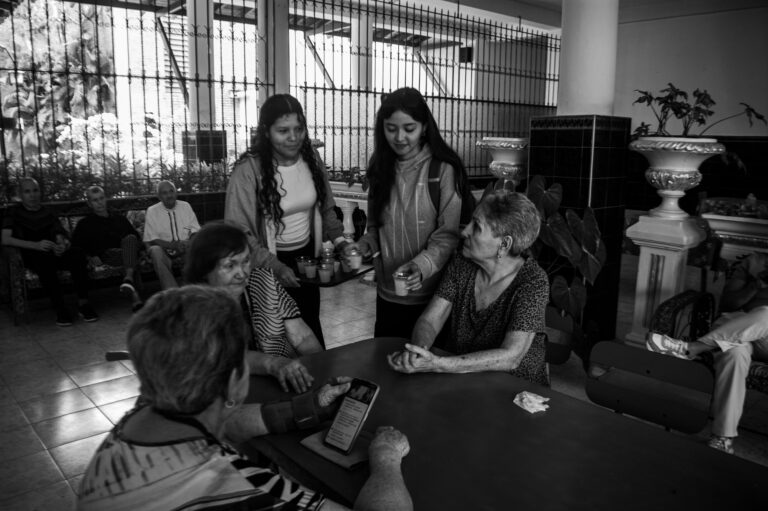
Lap trays serve a dual purpose in dementia care that often gets overlooked: they create both a physical boundary and a focused activity zone. When someone with Alzheimer’s has a defined space directly in front of them, it reduces the overwhelming visual input from the broader environment and naturally directs attention to what’s immediately present. This matters because the disease progressively impairs the ability to filter sensory information and maintain focus. The research supports this approach. According to the Alzheimer’s Research Association, board games and tactile activities can improve cognitive abilities including memory, communication, and emotional control.
A lap tray transforms an abstract “activity time” into something concrete and contained. For example, sorting colorful buttons becomes manageable when they’re all visible on a firm tray surface rather than scattered across a table that feels miles away to someone with impaired depth perception. However, not every person with dementia benefits from the same setup. Someone in early stages who still enjoys crossword puzzles needs a completely different tray than someone in later stages who finds comfort in repetitive textures. The “best” lap tray is ultimately the one that matches where your loved one is right now””not where they were six months ago.

What Features Should You Look for in an Alzheimer’s Activity Tray?
Three factors matter most: stability, sensory properties, and safety. Stability means the tray won’t slide around or tip when touched””critical because motor control often declines with dementia. The Activity Lap Tray’s firm polypropylene construction addresses this, while the Lap Pal with Nylex Cover goes further by fitting snugly against wheelchair arms to prevent any movement. Sensory properties determine whether the tray itself becomes part of the calming experience or simply serves as a neutral surface.
The Skil-Care Gel-Top Tray takes an active approach: touching the gel increases finger strength and dexterity while the visual stimulation of stars beneath the clear vinyl provides something interesting to watch. According to The Sleep Foundation, weighted products “may help manage feelings of stress and anxiety” through grounding effects””which is why options like the Busy Bee Weighted Lap Pad incorporate a five-pound gel pad. Safety considerations include raised edges to prevent items from rolling off, non-toxic materials, and””for wheelchair users””secure attachment mechanisms. One limitation worth noting: trays that attach to wheelchair arms won’t work for armchairs or recliners, so verify where your loved one spends most of their time before purchasing a wheelchair-specific option like the NEPPT Wheelchair Lap Tray Table.
Weighted Lap Pads vs. Traditional Lap Trays: Which Works Better?
This comparison isn’t really apples to apples””they serve different purposes and work best for different situations. Traditional lap trays like the Deluxe Folding Lap Tray ($18.99 from S&S Worldwide) provide a surface for doing things: puzzles, coloring, sorting activities, eating snacks. Weighted lap pads like the Busy Bee provide calming through deep pressure while offering attached fidgets for tactile engagement. Deep pressure therapy from weighted lap pads produces serotonin, improving mood and promoting calm. This makes weighted options particularly valuable during sundowning””that late-afternoon agitation common in Alzheimer’s””or during transitions like moving from one room to another. The Busy Bee’s 10″ x 18″ five-pound gel pad inside soft fleece offers five manipulative attachments including a liquid motion toy, bean bag, Tangle, and movable wood beads, giving restless hands something to do without requiring sustained focus. The tradeoff: weighted pads don’t provide a hard surface for activities requiring precision. You can’t do a jigsaw puzzle on a soft fleece lap pad. Many caregivers find that having both options available works best””a weighted pad for calming and comfort, and a firm tray for structured activities when their loved one is alert and receptive.
## How to Choose a Lap Tray Based on Dementia Stage Early-stage dementia often preserves enough fine motor control and attention span for activities like simple puzzles, card sorting, or adult coloring. A basic lap tray with a firm surface””even the $14.99 Activity Lap Tray with its side pockets for storing supplies””provides sufficient support. The key at this stage is maintaining normalcy and independence rather than introducing heavily specialized equipment that might feel patronizing. Middle-stage dementia typically brings increased restlessness, shortened attention spans, and more need for sensory input. This is when products like the Skil-Care Gel-Top Sensory Stimulation Tray become valuable. The tactile feedback from manipulating the gel provides engagement without requiring the person to “succeed” at anything””there’s no wrong way to touch a gel surface, which removes frustration from the equation. Late-stage dementia calls for purely sensory approaches. Fidget blankets like the AMQTSLM (measuring 11″ x 8.7″ folded, 17.7″ x 11″ unfolded) offer 13 sensory items including buttons, zippers, and laces that provide tactile stimulation. Research shows these items help improve fine motor skills and hand-eye coordination while reducing anxiety and restlessness. At this stage, the “activity” is the sensory experience itself””no goal, no product, just the comfort of familiar textures and movements.

Common Mistakes When Selecting Alzheimer’s Activity Equipment
The most frequent error caregivers make is buying for the person they remember rather than the person in front of them now. A retired accountant who loved spreadsheets doesn’t necessarily need a lap desk for paperwork””they might need the calming weight of a five-pound lap pad and something soft to touch. Resistance to acknowledging disease progression often leads to frustration when purchased items go unused. Another mistake: underestimating the importance of wheelchair compatibility. The NEPPT Wheelchair Lap Tray Table is specifically designed as a lightweight yet strong surface for eating, reading, writing, and activities from a wheelchair.
But if your loved one primarily sits in a recliner or regular chair, this investment makes little sense. Similarly, the Lap Pal with Nylex Cover’s design to fit snugly across the lap and against wheelchair arms specifically prevents unassisted exits””a safety feature that’s essential for some individuals but unnecessary for those who don’t attempt to stand. Price doesn’t always correlate with effectiveness. The $14.99 Activity Lap Tray may work just as well as pricier options for someone who simply needs a stable surface. Start with the simplest option that addresses your specific need before investing in specialized sensory equipment.
Creating an Activity Station with Your Lap Tray
A lap tray works best as part of a consistent routine. Set up activities at the same time each day when your loved one is most alert””often mid-morning after medications have taken effect but before afternoon fatigue sets in. The Activity Lap Tray’s two side pockets prove useful here: stock one with activity supplies and the other with comfort items like tissues or a favorite small object.
Pair the tray with appropriate seating and lighting. Natural light reduces agitation for many people with dementia, but avoid positioning the tray where glare makes it hard to see. For wheelchair users, ensure the tray attachment is secure before beginning any activity””the Skil-Care tray’s attachment system for 16-18″ width wheelchairs should click firmly into place without wobbling.

What the Research Says About Tactile Engagement in Dementia Care
The evidence for tactile stimulation in dementia care continues to grow. Board games and hands-on activities have demonstrated benefits for memory, communication, and emotional regulation according to Alzheimer’s Research Association research. The mechanism appears to involve both cognitive engagement and stress reduction””fidget blankets with buttons, zippers, and laces provide purposeful activity for hands that might otherwise pick at skin or clothing.
Weighted products add another dimension. The Sleep Foundation notes that weighted items “may help manage feelings of stress and anxiety” through what’s called deep pressure stimulation. This pressure triggers the release of serotonin, which improves mood and promotes calm. While weighted blankets have received more research attention, weighted lap pads like the Busy Bee apply the same principle to a smaller, more manageable format suitable for daytime use in a chair.
Conclusion
Selecting the right lap tray for Alzheimer’s activities requires matching the product to your loved one’s current abilities, not their past preferences or future decline. For sensory calming and wheelchair use, the Skil-Care Gel-Top Sensory Stimulation Tray offers built-in tactile engagement. For weighted comfort with fidget attachments, the Busy Bee Weighted Lap Pad provides both deep pressure and manipulatives. For simple, affordable activity support, the Activity Lap Tray at $14.99 creates a stable, practical workspace.
Start by observing when your loved one is most restless and what type of input seems to calm them. Some respond to weight and pressure; others need visual stimulation or textured surfaces. Consider having multiple options available for different times of day and different moods. The goal isn’t finding one perfect solution””it’s building a small toolkit of engagement options that meet your loved one where they are on any given day.
You Might Also Like
- What’s the Best Wheelchair for Alzheimer’s Patients?
- What’s the Best Support Pillow for Alzheimer’s Caregivers?
- What’s the Best Shower Chair for People with Alzheimer’s?
For more, see CDC — Alzheimer’s and Dementia.