Living with Parkinson’s disease means learning to work with a body that changes its rules without warning””and the patients who manage best are those who adapt their movements, environments, and expectations incrementally rather than fighting to maintain what once was. This gradual physical adaptation isn’t resignation; it’s strategic survival. Consider Margaret, a 68-year-old former nurse diagnosed five years ago, who now takes twelve minutes to button her blouse instead of thirty seconds, but who has learned that laying out clothes the night before, using magnetic closures on some garments, and accepting the slower pace means she still dresses herself independently every morning.
The journey of physical adaptation in Parkinson’s disease unfolds across years, sometimes decades, and involves constant small negotiations between the person someone used to be and the person they are becoming. This article explores how patients navigate that territory””from the early adjustments to gait and fine motor control, through the psychological recalibration required when familiar tasks become obstacles, to the practical modifications that preserve autonomy. We’ll examine what works, what doesn’t, and why the most successful adaptations often come from patients themselves rather than clinical protocols.
Table of Contents
- How Does a Parkinson’s Patient Begin Adapting to Physical Changes?
- The Physical Mechanics of Movement Relearning
- When Adaptation Means Changing the Environment, Not the Body
- How Patients Preserve Independence Through Strategic Simplification
- When Adaptation Fails: Recognizing Limits and Dangers
- The Role of Medication Timing in Physical Function
- Looking Forward: Adaptation as Ongoing Process
- Conclusion
How Does a Parkinson’s Patient Begin Adapting to Physical Changes?
The earliest adaptations often go unnoticed, even by the patient. A slight widening of stance when standing at the kitchen counter. Taking the elevator instead of the stairs without consciously deciding to. Switching from a manual razor to an electric one after a few nicks. These micro-adjustments happen automatically as the brain compensates for emerging deficits in motor control, balance, and coordination. The substantia nigra may be losing dopamine-producing neurons, but the rest of the nervous system is quietly reorganizing. Conscious adaptation typically begins when these automatic compensations stop being sufficient. A man realizes he’s been avoiding restaurants because cutting steak has become embarrassing.
A woman notices she’s stopped wearing jewelry with clasps. The gap between intention and execution””what neurologists call bradykinesia””forces acknowledgment. At this stage, patients face a choice: withdraw from activities that expose their limitations, or find new ways to accomplish them. Those who choose adaptation often start with the lowest-stakes modifications first, testing whether changed methods feel like loss or simply difference. Compared to conditions with sudden onset, Parkinson’s offers one strange advantage: time. A stroke survivor must adapt immediately or not at all. Parkinson’s patients can experiment, fail, adjust, and try again. Richard, a retired engineer, spent three months testing different weighted utensils before finding a fork heavy enough to dampen his tremor but light enough to lift repeatedly during a meal. That kind of iterative problem-solving defines successful early adaptation.

The Physical Mechanics of Movement Relearning
parkinson‘s doesn’t erase the knowledge of how to walk, write, or speak””it disrupts the execution. The basal ganglia, which normally automate learned movements, malfunction. Tasks that once required no thought now demand conscious attention. This explains why many patients report that thinking about each step helps them walk more smoothly, at least temporarily. The motor cortex can partially bypass the damaged basal ganglia when deliberately engaged. Physical therapists use this principle in techniques like LSVT BIG, which trains patients to make exaggeratedly large movements that feel enormous but actually appear normal to observers. The recalibration addresses a specific Parkinson’s phenomenon: patients perceive their movements as larger than they are.
However, this approach has limitations. It requires significant cognitive effort, which becomes harder to sustain as the disease progresses or when patients are fatigued, stressed, or multitasking. A patient might walk beautifully in a therapy session but shuffle and freeze at a crowded grocery store where attention is divided. External cues””rhythmic auditory stimulation, laser pointers attached to canes, floor tape marking stride length””work differently. They bypass the internal timing mechanisms that Parkinson’s disrupts and provide external pacing. The metronome effect of music or clicking sounds can be remarkably effective for some patients, though not all. Roughly 30 percent of patients don’t respond well to auditory cueing, and for those with hearing loss or auditory processing difficulties, visual cues may work better.
When Adaptation Means Changing the Environment, Not the Body
Home modification becomes inevitable for most Parkinson’s patients, though the timing varies enormously. The philosophy shifts from “how can I do this the normal way” to “how can this task be done safely and independently.” Grab bars appear in bathrooms. Furniture gets rearranged to create clear pathways. Rugs””notorious tripping hazards””disappear. These changes aren’t admissions of defeat; they’re engineering solutions to physical problems. The specifics matter more than general advice suggests. A grab bar installed at the wrong height or angle becomes useless or even dangerous. Raised toilet seats help some patients but destabilize others whose particular balance deficits respond poorly to the changed posture. Occupational therapists specializing in Parkinson’s can assess individual needs, but their recommendations should be tested, not simply installed.
One patient, James, had his kitchen reorganized according to a therapist’s suggestions””lowering frequently used items, adding pull-out shelves””only to find the changes disrupted decades of muscle memory and made cooking harder, not easier. After six months, he returned to something closer to the original setup, keeping only the modifications that genuinely helped. The bedroom often requires the most significant adaptation. Getting in and out of bed involves complex weight shifts that Parkinson’s patients frequently struggle with. Satin sheets reduce friction and make turning easier. Bed rails provide leverage points. Hospital-style beds with adjustable heights allow patients to find the optimal position for standing. However, the psychological weight of installing medical equipment in the bedroom””the most private space””affects some patients deeply. The adaptation that preserves function may exact an emotional cost that must be weighed.

How Patients Preserve Independence Through Strategic Simplification
Independence doesn’t require doing everything the old way; it requires continuing to do things that matter. This distinction drives the most sustainable adaptations. A patient who loved gardening might transition from a large vegetable plot to container gardening at waist height””fewer plants, but still dirt under the fingernails and tomatoes in August. A formerly avid cook might shift from elaborate recipes to simpler dishes that still allow the pleasure of feeding others. The activity’s essence survives even as its form changes. Compared to maintaining all activities at reduced capacity, strategic simplification typically yields better outcomes. Patients who try to keep doing everything often exhaust themselves and perform all tasks poorly.
Those who choose priorities””deciding that walking the dog matters more than vacuuming, that the weekly phone call to grandchildren matters more than keeping a pristine house””tend to maintain those selected activities at higher levels for longer. Energy, both physical and cognitive, becomes a budget to be allocated rather than an unlimited resource. The tradeoff involves identity. Who we are often feels tied to what we do, and letting go of activities feels like letting go of self. Some losses are genuinely grieved. A patient who defined himself as a handyman, whose basement workshop represented decades of skill and capability, may find no amount of adaptive equipment lets him safely use power tools. The adaptation then becomes psychological: finding value in teaching grandchildren to use tools, in advising others on projects, in being the person who knows how things work even if he can no longer builds them himself.
When Adaptation Fails: Recognizing Limits and Dangers
Not every activity can be adapted, and attempting to preserve some functions creates unacceptable risks. Driving is the clearest example. Most Parkinson’s patients eventually lose the reaction time, divided attention capacity, and physical control that safe driving requires. The progression is insidious””patients often overestimate their driving ability because decline happens gradually and bad outcomes haven’t happened yet. Families and physicians frequently disagree about when to stop, and patients almost universally resist. Formal driving evaluations provide objective assessment, but they capture only a snapshot.
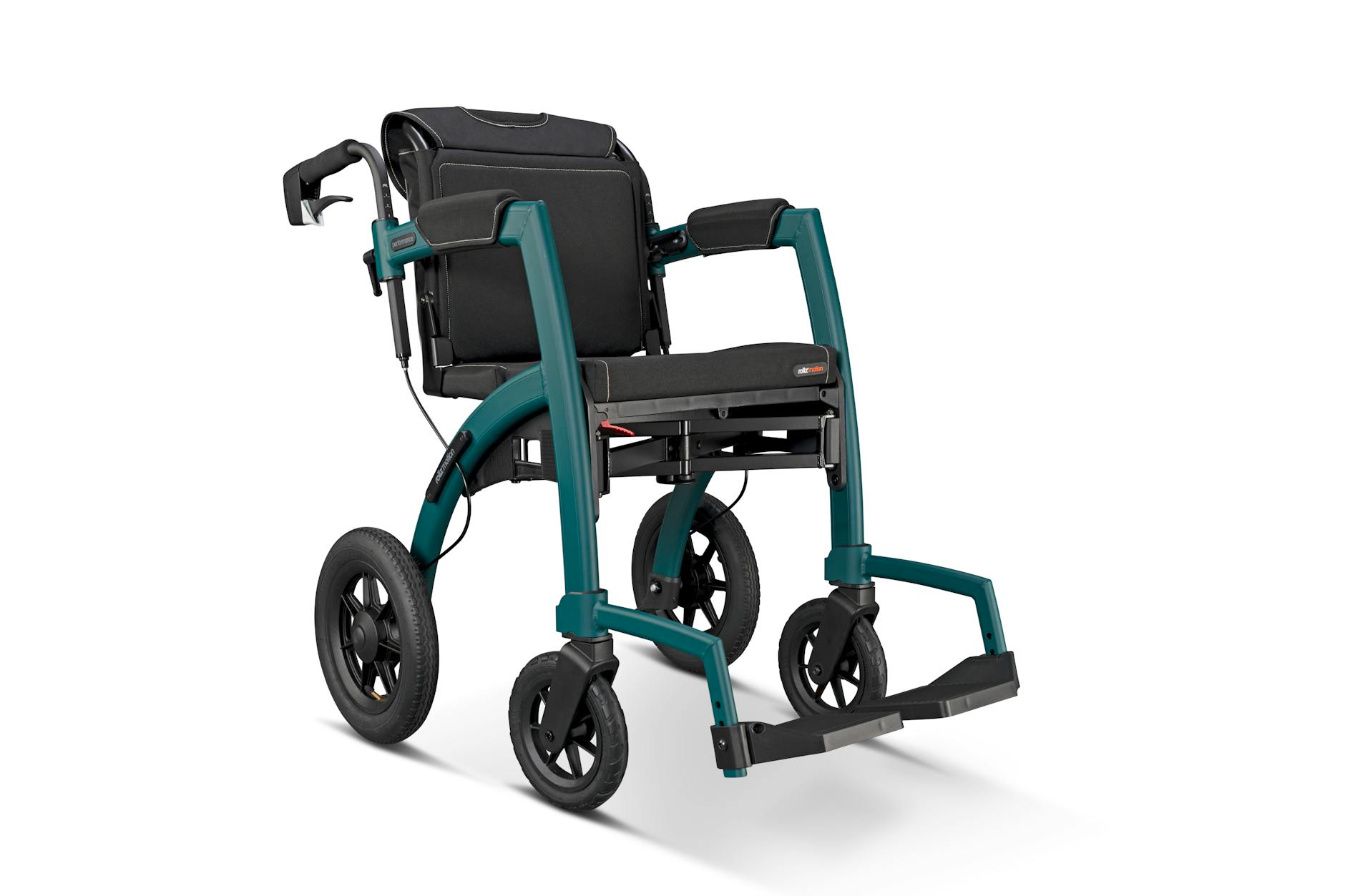
A patient who passes a driving test on a good day, with medications optimally timed, may be unsafe on a day when symptoms are worse or medication effects have worn off. The harsh reality is that Parkinson’s makes driving unpredictable, and unpredictability behind the wheel is dangerous. Patients who recognize this and stop driving before an accident preserve both their safety and their sense of having made a deliberate choice rather than having the decision forced upon them. Falls represent another limit case. While many adaptations reduce fall risk””removing obstacles, improving lighting, using assistive devices””some patients reach a point where falls become frequent despite all precautions. At this stage, the adaptation may involve accepting help that was previously refused, using a wheelchair for distances, or reluctantly considering residential care. The warning sign is often not the fall itself but the recovery: a patient who once could catch himself now goes down hard, or who once could get up independently now cannot rise from the floor without assistance.
The Role of Medication Timing in Physical Function
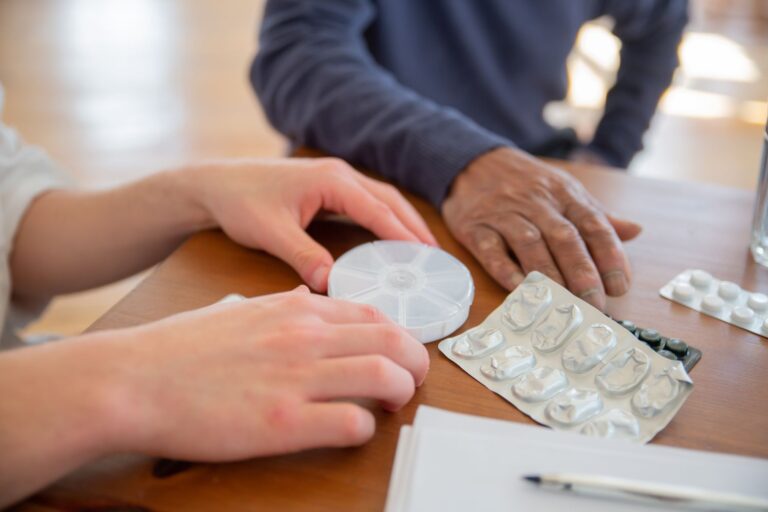
Physical adaptation cannot be separated from pharmaceutical reality. Levodopa and other Parkinson’s medications create windows of better function, and experienced patients learn to schedule demanding physical activities during “on” periods when medications are working optimally. A patient might shower, dress, and accomplish household tasks in the morning hours after the first dose takes effect, then rest during the afternoon wearing-off period before the next dose kicks in.
This timing becomes increasingly complex as the disease progresses and the medication window narrows. A patient in early stages might have eight or ten hours of good function; years later, that window might shrink to two or three hours between doses. Adapting activities to fit these windows requires flexibility that not all schedules allow. Medical appointments, family gatherings, and other fixed commitments may fall during off periods when function is poorest, presenting the patient at their worst to the people whose understanding matters most.
Looking Forward: Adaptation as Ongoing Process
The patients who fare best seem to share a particular orientation toward time: they adapt for the present while acknowledging that the present will change. A modification that works today may need adjustment in six months and abandonment in two years. This isn’t pessimism; it’s realism that prevents the frustration of expecting permanent solutions where none exist.
Emerging technologies offer new adaptation tools””wearable sensors that detect freezing before it happens, smartphone apps that provide cueing, even experimental deep brain stimulation that restores some motor control. But technology doesn’t change the fundamental task: learning, over and over, to do necessary things in whatever way the current body allows. That ongoing relearning, that willingness to change methods without changing goals, defines the Parkinson’s patient’s story of gradual physical adaptation.
Conclusion
Physical adaptation in Parkinson’s disease is neither a single adjustment nor a linear progression but a continuous negotiation between declining capacity and determined creativity. The patients who navigate this territory most successfully combine practical problem-solving””finding the right tools, modifying environments, timing activities strategically””with psychological flexibility that allows them to redefine what matters without feeling diminished. They grieve necessary losses but don’t dwell there; they accept help that makes independence in other areas possible.
For those early in the journey, the message is clear: start adapting before you have to. Experiment with modifications while capacity remains to evaluate them properly. Build relationships with physical and occupational therapists who understand Parkinson’s specifically. And recognize that the adaptation skills developed now””the willingness to try new approaches, the ability to separate identity from particular activities””will be the skills most needed as the disease progresses.