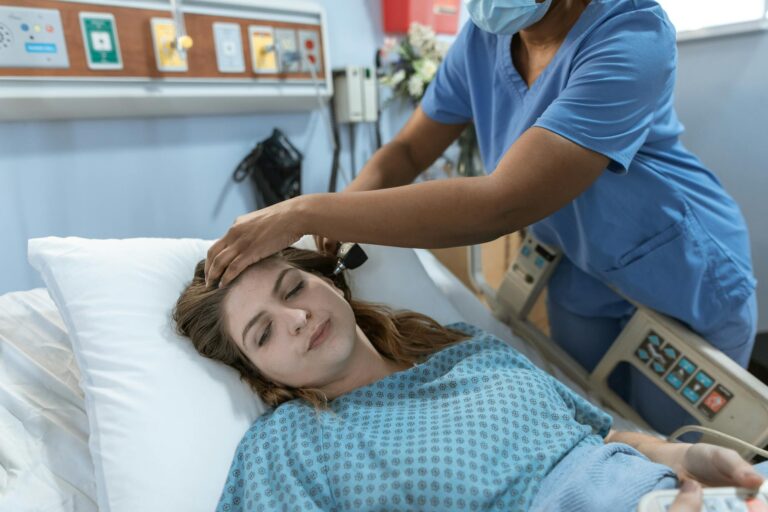
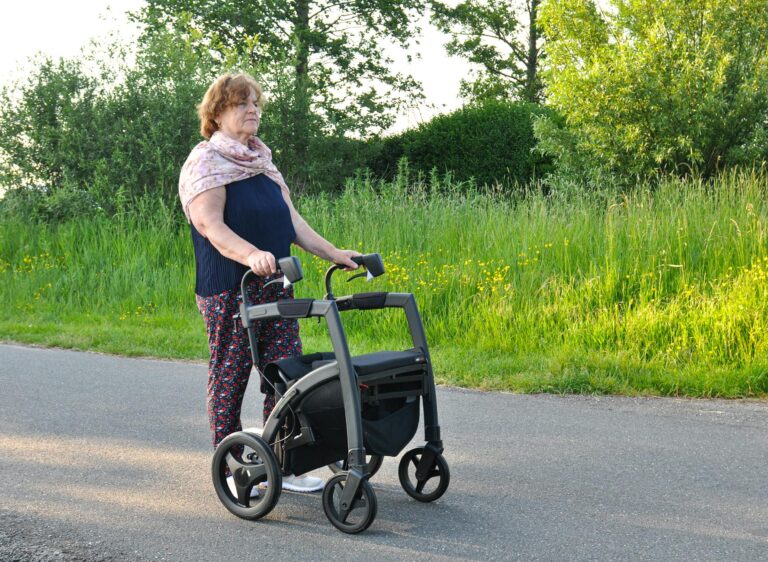
Losing spontaneity to Parkinson’s disease happens gradually, often before patients even realize what’s slipping away. It begins with small things””hesitating before crossing a street, planning every step down a staircase, or mentally rehearsing the act of standing up from a chair. Teresa Jackson noticed she “could not get her legs lifted” and was “losing my ability to move quickly or to run down the stairs” over the course of a year before receiving her diagnosis. What once happened automatically””the quick pivot to grab a ringing phone, the easy jog to catch a bus””becomes a conscious, calculated effort. This loss cuts deeper than physical inconvenience.
Alison, diagnosed at age 50, describes how “Parkinson’s tries to take away that control” over her own body. For many patients, the spontaneous life they once led””making last-minute plans, trusting their bodies to respond instantly””transforms into something more deliberate, more cautious, more exhausting. The emotional weight of this shift often goes unspoken, even as it reshapes daily existence. This article explores the nature of spontaneity loss in Parkinson’s disease through the lens of personal experiences. It examines how diagnosis reshapes identity, the psychological toll of suffering in silence, strategies for reclaiming agency, and why connecting with others who understand this journey matters more than many patients initially realize.
Table of Contents
- What Does Losing Spontaneity Actually Mean for Someone with Parkinson’s?
- The Moment Everything Changes: Confronting a Parkinson’s Diagnosis
- Why Silence Makes Parkinson’s Harder to Bear
- Reclaiming Agency When Your Body Feels Unpredictable
- The Hidden Burden: How Parkinson’s Affects Those Who Don’t Have It
- Finding Community in Shared Experience
- Looking Forward When the Future Feels Uncertain
- Conclusion
What Does Losing Spontaneity Actually Mean for Someone with Parkinson’s?
Spontaneity, at its core, is the ability to act without deliberation””to trust that your body will follow your intentions seamlessly. For people with Parkinson’s, this trust erodes. The basal ganglia, the brain region responsible for automating movement, progressively malfunctions. Actions that healthy individuals perform without thinking””walking through a crowded room, gesturing while talking, catching something mid-fall””require conscious planning and effort. Teresa Jackson’s experience illustrates this concretely. Running down stairs, something she had done thousands of times without thought, became impossible. Her legs simply would not lift the way they once did. This was not weakness in the traditional sense; it was a breakdown in the automatic sequencing of movement.
Each step required deliberate mental engagement, transforming a two-second descent into a careful, attention-demanding process. The comparison to healthy movement patterns reveals the scope of loss. A person without Parkinson’s might grab their keys, walk to the car, and begin driving while mentally planning their workday. A person with advancing Parkinson’s might need to focus entirely on the act of walking, unable to simultaneously think about anything else. Multitasking””something humans do constantly without realizing it””becomes a luxury. However, it’s worth noting that this progression varies enormously between individuals. Some maintain fluid movement for years after diagnosis, while others experience rapid decline. The Parkinson’s Foundation emphasizes that diagnosis can occur at any age from 31 to 72+, with widely varying symptom profiles.

The Moment Everything Changes: Confronting a Parkinson’s Diagnosis
Allan Cole received his diagnosis on October 26, 2016, at age 48. His doctor delivered the news in just 16 words, and those words rewrote his entire understanding of his future. The date became permanently fixed in his memory””a before-and-after marker dividing his life into two eras. This experience of diagnosis as a rupture, rather than a gradual realization, characterizes many Parkinson’s stories. Alison’s reaction reveals another dimension of the diagnosis experience. She was “devastated, angry and embarrassed,” emotions that might surprise those unfamiliar with Parkinson’s stigma.
She had associated the disease with “older men, not fit and active 50-year-old women.” Her self-image””athletic, capable, in control””suddenly clashed with her diagnosis. This identity crisis compounds the physical challenges, as patients must simultaneously process neurological changes and reconsider who they are. However, if the diagnosis comes after years of unexplained symptoms, some patients actually feel relief alongside the devastation. Having a name for their struggles validates experiences they may have been questioning. The limitation here is that relief is often temporary; understanding what’s wrong doesn’t make living with it easier. Many patients describe a period of mourning that follows initial diagnosis, grieving the future they had imagined and the spontaneous self they are losing.
Why Silence Makes Parkinson’s Harder to Bear
Allan Cole’s post-diagnosis period was marked by “worry, fear, secrecy, and loneliness.” He suffered in silence, with only his wife knowing about his condition. This isolation was a choice””one made by many newly diagnosed patients””but it came with severe psychological costs. As Cole later reflected, “suffering in silence only added to the severity of my despair because I felt so alone.” The impulse toward secrecy often stems from legitimate concerns. Workplace discrimination, social stigma, and the desire to be seen as a whole person rather than a diagnosis all drive patients underground. They may fear being treated differently, pitied, or written off as declining. In professions that value quick thinking and physical capability, disclosure can feel like career suicide.
These fears are not irrational; they reflect real social attitudes toward chronic illness. Alison’s experience demonstrates an alternative path. By sharing her story publicly, she transformed private suffering into collective understanding. She speaks about staying balanced and maintaining control, acknowledging that “looking ahead is very scary” while refusing to let that fear define her. The contrast between Cole’s early silence and Alison’s openness illustrates a fundamental tension in the Parkinson’s experience: protection through secrecy versus healing through connection. Neither approach is wrong, but patients benefit from understanding the tradeoffs of each.

Reclaiming Agency When Your Body Feels Unpredictable
Parkinson’s removes certainty from physical action, but patients develop strategies to rebuild a different kind of control. The spontaneity they’ve lost cannot be restored, but it can be replaced with mastery over new circumstances. This shift””from unconscious capability to conscious adaptation””represents a profound reorientation of self. Alison’s focus on staying balanced exemplifies this adaptive mindset. Rather than mourning her former ease of movement, she channels energy into maintaining what she can. Balance becomes a daily practice rather than a given. Exercise routines, physical therapy, medication management, and environmental modifications all become tools for agency.
Some patients describe this as learning to drive a different vehicle””the basic principles of movement remain, but the controls have changed. The comparison between passive acceptance and active adaptation highlights different outcomes. Patients who view their diagnosis as a total loss of control often experience worse psychological outcomes than those who identify areas where they can still exert influence. However, this is not a simple matter of attitude. The ability to adapt depends on resources””access to healthcare, supportive relationships, financial stability, and physical therapy. A patient struggling to afford medication faces different constraints than one with comprehensive insurance and a flexible work schedule. Acknowledging these inequities prevents the harmful implication that patients who struggle simply aren’t trying hard enough.
The Hidden Burden: How Parkinson’s Affects Those Who Don’t Have It
When Allan Cole kept his diagnosis secret, only his wife carried the knowledge alongside him. This arrangement placed enormous weight on her””the sole confidante in a crisis, managing her own emotions while supporting his. The spontaneity loss in Parkinson’s extends beyond the patient to reshape entire family systems. Caregivers and family members often describe a parallel loss of their own spontaneous lives. Plans become contingent on the patient’s symptom patterns. Travel requires extensive preparation.
Social gatherings may need to be cut short or avoided entirely. The caregiver’s life increasingly orbits the patient’s needs, creating a secondary experience of lost freedom that goes largely unacknowledged. A specific limitation deserves mention here: the caregiving experience varies dramatically based on disease stage, symptom type, and available support. A spouse managing a partner’s early-stage Parkinson’s faces different challenges than an adult child coordinating care for a parent with advanced disease and cognitive changes. Resources designed for caregivers often fail to account for this diversity, offering generic advice that may not match specific circumstances. Families benefit from seeking support tailored to their particular situation rather than one-size-fits-all guidance.
Finding Community in Shared Experience
Personal stories like Alison’s and Allan Cole’s appear on platforms like the Michael J. Fox Foundation, Parkinson’s Foundation, and advocacy websites precisely because connection reduces isolation. When Cole eventually shared his diagnosis beyond his wife, the loneliness he described began to lift.
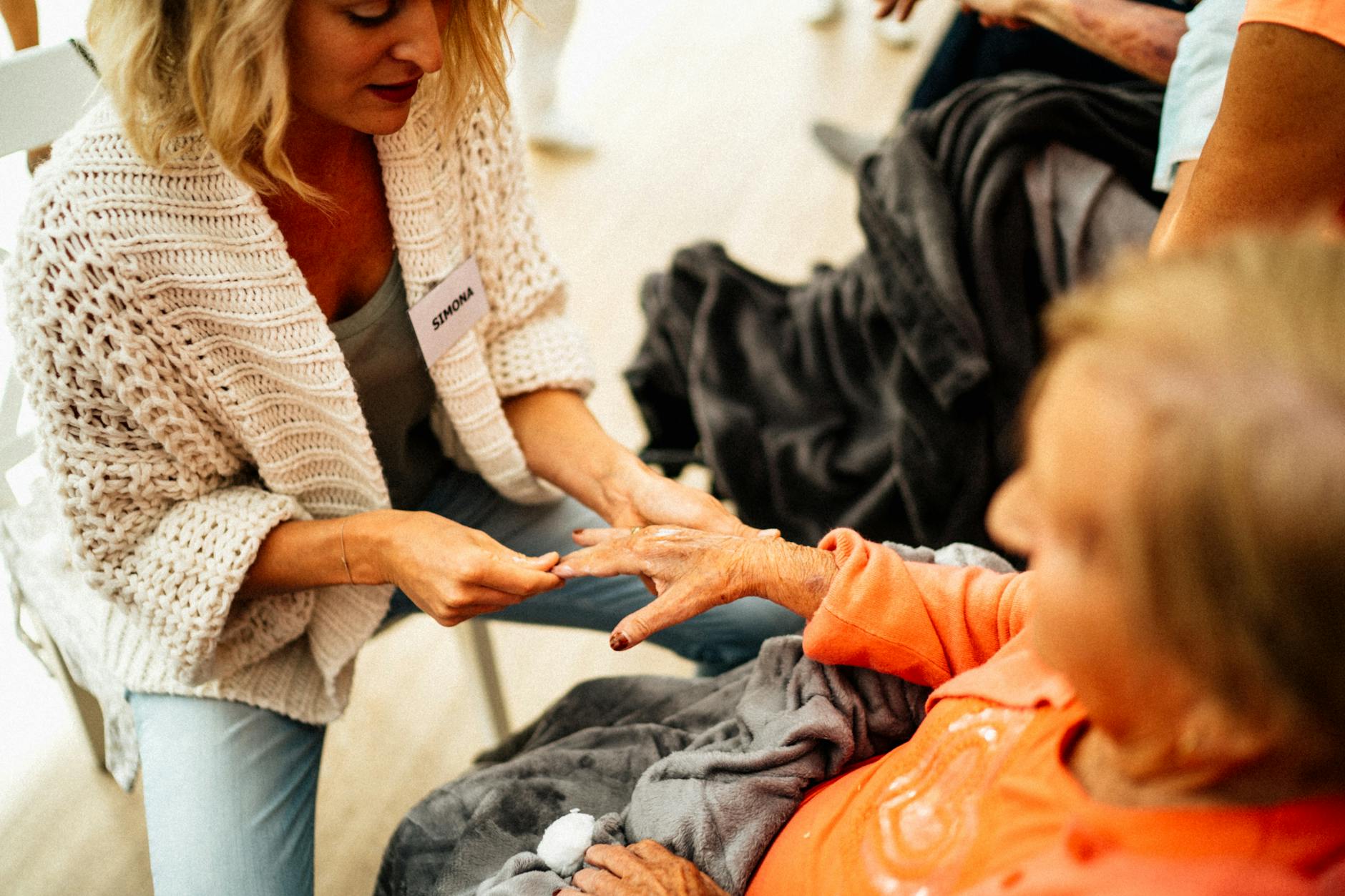
Learning that others understood his specific fears””the loss of spontaneity, the uncertainty about progression, the identity disruption””provided something that private suffering could not. Support groups, both in-person and online, create spaces where the peculiar grief of Parkinson’s makes sense. A newly diagnosed patient can meet someone five years into the journey and see that life continues, adapts, and retains meaning. These connections don’t eliminate the disease’s challenges, but they provide context and solidarity that makes those challenges more bearable.
Looking Forward When the Future Feels Uncertain
Alison captures a central tension in Parkinson’s life: “looking ahead is very scary.” The disease is progressive, and spontaneity lost rarely returns. Yet patients and families find ways to inhabit this uncertainty without being paralyzed by it. Some focus on the present, extracting maximum value from current capabilities rather than dwelling on anticipated decline. Others channel energy into advocacy, research participation, or mentoring newly diagnosed patients.
The future of Parkinson’s treatment offers reasons for measured hope. Research into neuroprotective therapies, better symptom management, and potential disease-modifying treatments continues. Patients diagnosed today face a different trajectory than those diagnosed twenty years ago. While spontaneity may recede, medical advances and adaptive strategies continue expanding what remains possible.
Conclusion
Losing spontaneity to Parkinson’s disease means confronting a fundamental shift in how the body responds to intention. The automatic becomes effortful, the fluid becomes halting, and the simple becomes complex. Personal stories from patients like Alison, Teresa Jackson, and Allan Cole illuminate this experience in its specificity””the shock of diagnosis, the temptation toward silence, the hard work of adaptation, and the value of connection.
For those navigating their own Parkinson’s journey or supporting someone who is, the path forward involves acknowledging loss while actively seeking what can be maintained and rebuilt. No one recovers spontaneity in the way it once existed, but many discover new forms of agency, meaning, and connection that the disease cannot take away. The stories shared by those living with Parkinson’s serve as both testimony and invitation””evidence that this difficult road has been walked before and that no one needs to walk it entirely alone.