When Parkinson’s disease enters a household, the home itself must change. The tremors, stiffness, and balance problems that define this progressive neurological condition transform once-familiar rooms into obstacle courses of potential falls and frustrations. Adapting the home environment is not merely about installing grab bars or removing rugs””it is about reimagining daily life so that independence remains possible for as long as possible. The most effective home modifications address three core challenges: movement and mobility, fine motor tasks, and cognitive changes that often accompany the disease’s progression. Consider Margaret, a 68-year-old retired teacher diagnosed with Parkinson’s five years ago.
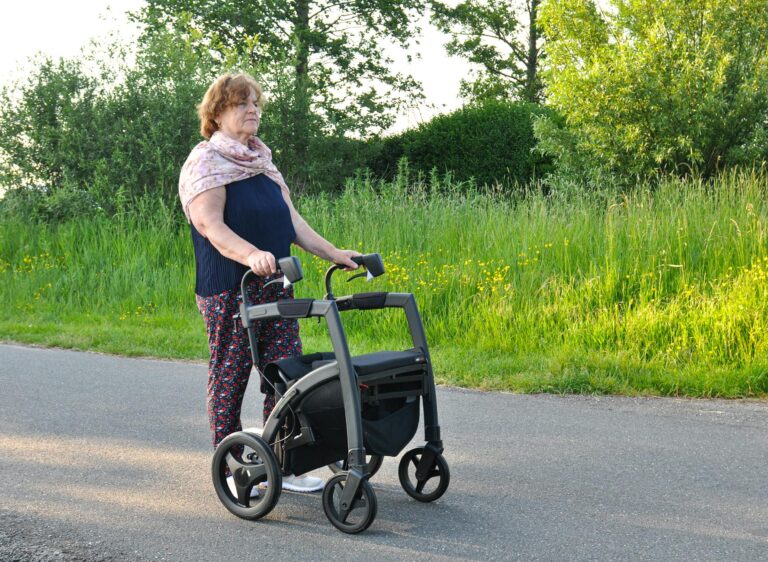
Her family initially responded to her diagnosis with medication management alone, overlooking the environment where she spent most of her time. It was only after a fall in the bathroom””a common and often devastating event for people with Parkinson’s””that they began systematically adapting her home. The changes they made, from widening doorways to installing motion-activated lighting, extended her ability to live independently by several years. This article traces the practical realities of home adaptation for Parkinson’s disease, drawing on both clinical research and the lived experiences of families navigating this journey. We will examine room-by-room modifications, the timing of changes, the financial considerations involved, and the emotional dimensions of watching a home transform alongside a loved one’s health.
Table of Contents
- How Does Parkinson’s Disease Change a Person’s Relationship with Their Home?
- Room-by-Room Modifications: Where to Begin the Adaptation Process
- The Role of Lighting and Visual Cues in Parkinson’s Home Safety
- Timing Home Modifications: Proactive Planning Versus Reactive Changes
- Common Mistakes and Overlooked Hazards in Home Adaptation
- Technology and Assistive Devices for the Parkinson’s Home
- The Emotional Landscape of Home Modification
- Conclusion
How Does Parkinson’s Disease Change a Person’s Relationship with Their Home?
parkinson‘s disease alters the body’s relationship with space in ways that healthy individuals rarely consider. The basal ganglia, the brain region affected by Parkinson’s, normally coordinates automatic movements””the kind we perform without thinking. Walking through a doorway, rising from a chair, and reaching for a light switch all require complex motor planning that becomes conscious and effortful as the disease progresses. A home designed for automatic movement suddenly demands deliberate navigation. The symptoms that most directly affect home safety include bradykinesia (slowness of movement), rigidity, postural instability, and freezing of gait””a phenomenon where a person’s feet seem glued to the floor, often occurring at thresholds or when turning.
These motor symptoms interact unpredictably with the home environment. A narrow hallway that posed no problem last month may trigger freezing episodes today. The shuffling gait characteristic of Parkinson’s catches on carpet edges and door thresholds that once went unnoticed. Beyond motor symptoms, many people with Parkinson’s experience orthostatic hypotension (a drop in blood pressure upon standing), visual-spatial difficulties, and cognitive changes that affect planning and problem-solving. This constellation of symptoms means that home adaptation must address not just physical obstacles but also sensory cues, lighting conditions, and the cognitive demands of navigating daily tasks. A comparison between early-stage and advanced-stage needs illustrates this evolution: early modifications might focus on removing trip hazards and improving lighting, while later adaptations may include hospital beds, lift systems, and complete bathroom renovations.
- —

Room-by-Room Modifications: Where to Begin the Adaptation Process
The bathroom consistently ranks as the most dangerous room for people with Parkinson’s disease. Wet surfaces, confined spaces, and the physical demands of toileting and bathing create a perfect storm of fall risk. Priority modifications include grab bars near the toilet and inside the shower or tub, a raised toilet seat to reduce the effort of sitting and standing, and non-slip flooring or mats. Walk-in showers eliminate the need to step over a tub edge””a movement that challenges balance and can trigger freezing. Shower chairs or benches allow bathing in a seated position, reducing fatigue and fall risk. The bedroom requires attention to both mobility and sleep quality. Many people with Parkinson’s experience difficulty turning over in bed and may benefit from satin sheets that reduce friction.
Bed rails can assist with repositioning, though they carry some risk of entrapment and must be used with appropriate safety guidelines. The path from bed to bathroom””often traveled at night when symptoms may be more pronounced and lighting poor””demands clear sightlines, motion-activated lighting, and freedom from obstacles. Adjustable beds can ease the process of lying down and getting up. The kitchen presents a different set of challenges centered on fine motor tasks and safety around heat and sharp objects. Lever-style faucet handles replace difficult-to-grip knobs. Non-slip mats prevent sliding cutting boards and mixing bowls. However, if cognitive symptoms are present, the kitchen may require more significant interventions: automatic stove shut-off devices, removal of gas appliances in favor of induction cooktops, and eventual supervision or meal preparation assistance. The limitation here is clear””environmental modifications cannot fully substitute for human oversight when judgment and awareness are compromised.
- —
The Role of Lighting and Visual Cues in Parkinson’s Home Safety
Lighting serves a dual purpose in Parkinson’s home adaptation: it prevents falls by improving visibility and can actively help overcome freezing of gait. Research has demonstrated that visual cues””lines on the floor, contrasting tape on stair edges, or laser pointers attached to walking aids””can help the brain bypass the damaged basal ganglia and initiate movement. This phenomenon, called paradoxical kinesia, explains why some people with Parkinson’s who freeze in open spaces can step over obstacles or follow lines on the floor with relative ease. Practical applications of this principle include applying contrasting tape to the edges of stairs and thresholds, using floor runners with horizontal stripes, and installing laser cane attachments that project a line for the person to step over. The effect can be dramatic: a person frozen in a doorway may suddenly walk forward when given a visual target.
Night lights placed at floor level throughout hallways and bathrooms provide both visibility and subtle visual cues for nocturnal navigation. For example, Robert, a 72-year-old with moderate Parkinson’s, experienced multiple freezing episodes each day when passing through doorways in his home. His occupational therapist recommended applying bright yellow tape across each threshold””a simple, inexpensive intervention. The freezing episodes decreased by approximately 60 percent within the first week. The intervention cost less than twenty dollars and took an hour to implement, illustrating how targeted environmental changes can yield significant functional improvements.
- —
Timing Home Modifications: Proactive Planning Versus Reactive Changes
The question of when to modify the home reveals a fundamental tension in Parkinson’s care. Proactive modifications made early in the disease course may prevent falls and injuries that could accelerate decline. Yet making extensive changes before they are needed can feel premature, wasteful, or emotionally overwhelming””a constant visual reminder of anticipated decline. The tradeoff between preparation and psychological well-being has no universal answer. A staged approach often works best. Initial modifications might be those that benefit anyone regardless of health status: improved lighting, removal of clutter, and addition of stair railings on both sides. These changes raise no alarm and establish patterns of accessibility.
As symptoms progress, more visible modifications””grab bars, shower seats, furniture rearrangement””can be introduced as needs become apparent. The key is maintaining ongoing communication with occupational therapists who specialize in home assessment, ideally beginning this relationship early and scheduling periodic re-evaluations. The comparison between proactive and reactive approaches reveals distinct advantages and disadvantages. Proactive planning allows time for research, contractor selection, and financial preparation. It may qualify for better insurance coverage or grant funding when not presented as an emergency. Reactive changes, made after a fall or hospitalization, often happen under pressure, cost more, and may result in suboptimal solutions. However, overly aggressive early modification can create environmental changes that interfere with the remaining physical capacities the person still possesses””ramps installed before they are needed, for instance, may actually be harder to navigate than stairs for someone with good balance.
- —
Common Mistakes and Overlooked Hazards in Home Adaptation
Despite good intentions, families adapting homes for Parkinson’s disease frequently make predictable errors. One common mistake is focusing exclusively on obvious hazards like throw rugs while ignoring subtler dangers. Polished or waxed floors, for instance, reduce friction and increase fall risk””yet families may actually polish floors more frequently as part of well-meaning housekeeping efforts. Glass-topped tables and sharp furniture corners become more dangerous as balance deteriorates but often remain in place for aesthetic reasons. Another overlooked hazard involves transitions between flooring types. The change from carpet to tile, or from one room to another, can trigger freezing episodes. Color changes in flooring may be perceived as steps or obstacles, causing hesitation or avoidance.
Cluttered surfaces require visual scanning that can overwhelm processing capacity, leading to disorientation. The warning here is critical: removing an obvious trip hazard like an area rug may expose a flooring transition that proves equally problematic. Each modification must be evaluated in context. Perhaps the most significant oversight involves failing to adapt for cognitive changes that frequently accompany Parkinson’s. Approximately 80 percent of people with Parkinson’s will develop some degree of cognitive impairment over the disease course, with many progressing to dementia. Environmental modifications made with only motor symptoms in mind may become insufficient as cognition declines. A person who could once safely use the stove with minor adaptations may eventually forget to turn it off entirely. Staged modifications work best when they anticipate both motor and cognitive trajectories.
- —
Technology and Assistive Devices for the Parkinson’s Home
The integration of smart home technology offers new possibilities for Parkinson’s home adaptation, though the benefits require careful evaluation. Voice-activated systems can control lighting, thermostats, and door locks without requiring fine motor manipulation of switches and keys. Smart speakers can provide medication reminders, answer questions, and summon help. Video doorbells reduce the need to rush to the door””a common trigger for falls””by allowing remote response to visitors. For example, David, a 65-year-old living alone with Parkinson’s, installed a comprehensive smart home system that allowed voice control of all major functions. He could say “lights on” rather than fumbling for switches during an off period when medication was wearing thin.
When he fell in his living room, a medical alert pendant connected to the same system allowed him to summon emergency services without reaching a phone. The technology extended his independent living by addressing both motor and safety concerns. However, technology comes with limitations. Voice recognition systems may struggle with the hypophonia (reduced speech volume) and dysarthria (slurred speech) common in Parkinson’s. Learning new technology becomes more difficult as cognitive symptoms emerge. Systems require maintenance, updates, and occasional troubleshooting that may exceed the person’s technical capacity. The most reliable environmental modifications remain decidedly low-tech: handrails, grab bars, non-slip surfaces, and clear pathways.
- —
The Emotional Landscape of Home Modification
Adapting a home for Parkinson’s disease is not merely a practical matter””it carries profound emotional weight. The home represents identity, autonomy, and a lifetime of accumulated meaning. Each modification, however necessary, can feel like a concession to the disease. Families navigating this process often report grief, resistance, and conflict alongside practical problem-solving.
The experience of home adaptation offers an opportunity for meaningful family engagement. Rather than imposing changes, involving the person with Parkinson’s in decisions preserves agency and often yields better solutions. The person living with the disease understands their own patterns, preferences, and difficulties in ways that outside observers””even skilled occupational therapists””cannot fully grasp. This collaborative approach also helps with acceptance: a modification chosen feels different from one imposed.
- —
Conclusion
The story of Parkinson’s disease and home adaptation is ultimately a story about preserving personhood in the face of progressive loss. The physical changes””grab bars, lighting modifications, assistive technology””matter because they support continued engagement with daily life.
Behind every environmental modification is a human being working to maintain connection with the spaces and activities that define who they are. For families beginning this journey, the path forward involves early assessment by qualified occupational therapists, staged modifications that evolve with symptoms, attention to both motor and cognitive changes, and ongoing communication with the person living with Parkinson’s. The home that emerges from thoughtful adaptation may look different from its original form, but it can remain what it always was: a place of safety, comfort, and belonging.