When Parkinson’s disease enters a relationship, it often steals something that couples rarely discuss openly: the physical trust that forms the invisible foundation of daily life together. This loss manifests in countless ways””a spouse who once caught you when you stumbled now watches anxiously from across the room, unsure whether to help or hover. Research published in PMC found that Parkinson’s disease causes “loss of trust between spouses, intimacy, and at times, love,” with caregivers describing “a loss of marital mutuality and change to the caregiver that they had not anticipated.” The erosion happens gradually, then suddenly, leaving both partners grieving something they struggle to name. Alison, diagnosed at age 50, captured this reality with painful clarity: “It took away my life, but I have to make a new one.
Every time I tell the story it’s hard because you think of the life you had before and you’re never going to be the same again.” Her words echo what thousands of families experience””the grief isn’t just about motor symptoms or medication schedules. It’s about the fundamental shift in how two people exist together physically in space. This article explores the dimensions of physical trust loss in Parkinson’s, from the daily negotiations around movement and safety to the deeper relational wounds that caregivers and patients navigate together. The following sections examine how physical trust erodes, why this loss often goes unspoken, and what families can do to rebuild connection even as the disease progresses.
Table of Contents
- What Does Losing Physical Trust Actually Mean for Someone with Parkinson’s?
- How Parkinson’s Delusions Compound the Problem of Trust
- The Grief That Comes with Physical Limitation
- Rebuilding Connection When Bodies Become Unreliable
- When Caregivers Lose Trust in Themselves
- The Role of Healthcare Providers in Physical Trust
- Finding New Stories to Tell
- Conclusion
What Does Losing Physical Trust Actually Mean for Someone with Parkinson’s?
Physical trust operates below conscious awareness in healthy relationships. You trust that your partner will steady the ladder while you change a lightbulb. You trust yourself to carry a pot of boiling water across the kitchen. You trust that your body will respond to your intentions. Parkinson’s disease systematically dismantles each layer of this trust””first in small, almost imperceptible ways, then in moments that feel catastrophic. One contributor to PD Wise, a program from the Michael J.
Fox Foundation featuring personal stories from people with Parkinson’s, described being “scared out of my mind about the future, painfully self-conscious about my physical appearance.” This self-consciousness isn’t vanity. It reflects the dawning awareness that your body has become unpredictable to others and, worse, to yourself. The tremor that appears during stress, the freezing episode in doorways, the shuffle that replaces a confident stride””each symptom represents another small betrayal of the physical self you knew. For partners, this loss creates its own crisis. The spouse who once trusted their loved one to drive the car, manage household tasks, or simply walk beside them without incident now finds themselves perpetually vigilant. This shift from partner to monitor changes the texture of every interaction, often without either person acknowledging the transformation directly.
- —

How Parkinson’s Delusions Compound the Problem of Trust
While motor symptoms create the most visible trust challenges, the psychological manifestations of Parkinson’s can prove even more devastating to relationships. Research on spouse caregivers of people with Parkinson’s delusions revealed profound relational changes that extend far beyond physical concerns. The qualitative study published in PMC documented how delusions shattered the foundation of marriages that had weathered decades together. The loss of trust in these situations operates bidirectionally. The person with Parkinson’s may believe their spouse is unfaithful, lying, or conspiring against them””accusations that feel as real and urgent as any physical threat.
Meanwhile, caregivers lose trust in their partner’s perception of reality, never knowing when a normal interaction might trigger paranoid interpretation. one caregiver might hesitate to answer the phone in front of their spouse, fearing it will spark accusations. Another might stop mentioning conversations with neighbors to avoid triggering suspicion. However, it’s important to note that not everyone with Parkinson’s experiences delusions, and when they do occur, they’re often manageable with medication adjustments. The challenge lies in recognizing these symptoms early and maintaining open communication with neurologists about psychological changes, not just motor symptoms.
- —
The Grief That Comes with Physical Limitation
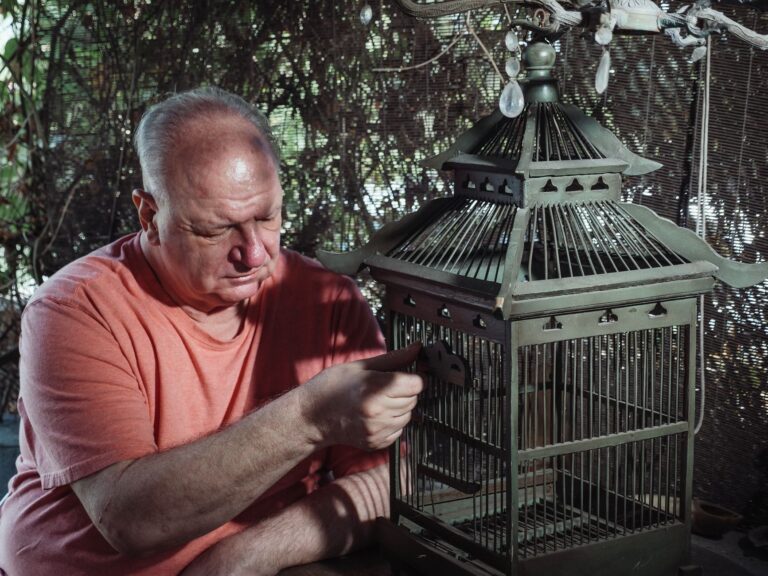
A member of the ParkinsonsDisease.net community articulated what many feel but struggle to express: “The list of what we lose is endless, some small and almost unnoticed.” This observation captures the insidious nature of Parkinson’s-related grief. It’s not a single catastrophic loss that can be mourned and processed. Instead, it’s a continuous accumulation of small surrenders””the inability to button a shirt quickly, the loss of confident handwriting, the moment when driving alone becomes unsafe. Consider a specific example: a retired carpenter who can no longer trust his hands to hold tools steady. The loss isn’t just practical.
It’s an amputation of identity, a severance from decades of skilled work that defined his sense of self. His wife watches this unfold, knowing that helping too much threatens his dignity while helping too little risks his safety. Neither option feels right, and both erode the easy physical partnership they once shared. This grief often goes unacknowledged because our culture lacks language for mourning capabilities while the person remains alive. Friends and family may dismiss concerns with optimistic platitudes, leaving both the person with Parkinson’s and their caregiver isolated in their sorrow.
- —

Rebuilding Connection When Bodies Become Unreliable
The path forward requires accepting a difficult truth: the old physical trust cannot be restored, but new forms of trust can be built. This process demands honesty that many couples find uncomfortable. The person with Parkinson’s must communicate about symptoms rather than hiding them out of shame or protectiveness. The caregiver must express fears and frustrations rather than performing constant cheerfulness. Practical strategies help, but they come with tradeoffs. Installing grab bars throughout the house acknowledges reality but also announces disability in a space that once felt private.
Using a walker improves safety but changes how the couple moves through the world together. Hiring help provides relief but introduces strangers into intimate spaces. Each adaptation requires negotiation and grief alongside its practical benefits. Some couples find that explicit conversations about touch become necessary. When a hand tremor makes casual contact feel different, partners may unconsciously reduce physical affection. Discussing this openly””acknowledging that touch has changed but remains important””can prevent the drift toward physical isolation that compounds emotional distance.
- —
When Caregivers Lose Trust in Themselves
Much attention focuses on how people with Parkinson’s lose trust in their bodies, but caregivers experience their own crisis of physical confidence. The spouse who has never provided personal care suddenly finds themselves responsible for transfers, medication management, and fall prevention. Many caregivers describe feeling perpetually inadequate, certain they’re doing something wrong that will cause harm. This self-doubt intensifies when falls or injuries occur, as they inevitably do despite best precautions.
A caregiver might replay the moment endlessly, convinced they should have prevented what was essentially unpreventable. The qualitative research on spouse caregivers documented changes “that they had not anticipated”””suggesting that no amount of preparation fully addresses the reality of providing physical care to someone whose body has become unpredictable. A warning: caregiver burnout often manifests as physical symptoms””chronic pain, sleep disorders, weight changes””that get ignored in the focus on the person with Parkinson’s. Caregivers who lose trust in their own physical capacity to provide care may push through anyway, risking their health and ultimately their ability to continue caregiving.
- —
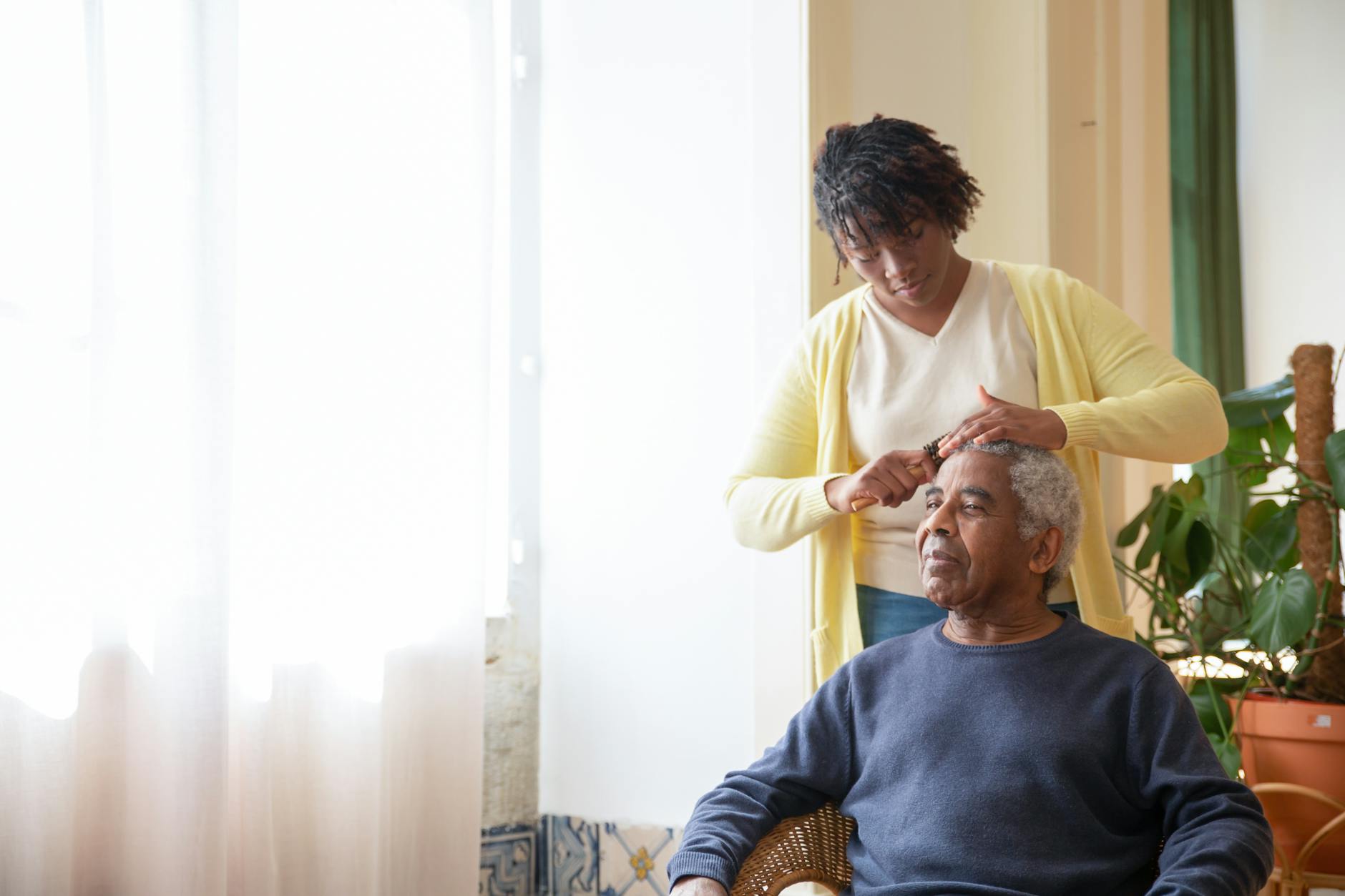
The Role of Healthcare Providers in Physical Trust
Neurologists, physical therapists, and occupational therapists can either support or undermine the physical trust within families, depending on how they approach care. Providers who speak only to the caregiver””over the head of the person with Parkinson’s””reinforce the loss of autonomy and competence.
Those who include the patient as an active participant in care decisions help preserve whatever physical agency remains. For example, a physical therapist who teaches both partners fall recovery techniques empowers them to handle crises together rather than creating a rescuer-victim dynamic. Similarly, occupational therapists who focus on adaptation rather than limitation help maintain the sense that the person with Parkinson’s remains capable, even as capabilities change.
- —
Finding New Stories to Tell
The narrative of loss, while true, isn’t the only story available to families affected by Parkinson’s. Alison’s comment that she has “to make a new one” points toward possibility within limitation. This isn’t toxic positivity or denial of difficulty.
It’s recognition that identity and relationship can survive physical change, even profound change. Couples who navigate this transition successfully often describe a deepening of emotional intimacy that compensates somewhat for lost physical ease. When you can no longer take the body for granted, each act of care becomes more intentional, each moment of connection more precious. This transformation isn’t automatic or guaranteed, but it remains available to those willing to grieve what was while building what can be.
- —
Conclusion
Losing physical trust to Parkinson’s disease represents one of the most challenging and least discussed aspects of the condition. It affects not just the person diagnosed but reshapes every relationship in their life, demanding adaptation from partners, children, and friends who must navigate the gap between who someone was physically and who they are becoming. The research confirms what families live daily: this loss extends beyond motor symptoms to touch the deepest foundations of intimacy and mutuality.
Moving forward requires acknowledging grief while remaining open to new forms of connection. Professional support helps””from neurologists who address psychological symptoms alongside physical ones, to therapists who teach practical skills and emotional coping. But ultimately, families themselves must do the work of rebuilding trust in changed circumstances, finding language for losses that often go unnamed, and creating new stories of partnership that honor both the difficulty and the possibility inherent in living with Parkinson’s disease.