Adjusting to limited movement with Parkinson’s disease requires a combination of mental strategies, physical adaptations, and medical interventions that work together to maintain mobility for as long as possible. The core approach involves thinking consciously about movements that once happened automatically””walking with longer strides, using rhythmic cues to overcome freezing episodes, and retraining the brain to execute movements through deliberate intention rather than unconscious habit. Peter, diagnosed 18 years ago, discovered that when walking became impossible, he could still cycle””a finding that illustrates how Parkinson’s affects different movement patterns in unexpected ways and how creative adaptation becomes essential to daily life. The movement challenges in Parkinson’s stem from the loss of dopamine-producing neurons, which disrupts the brain’s ability to initiate and control motion smoothly. This manifests as tremors, rigidity, bradykinesia (slowness of movement), and hypokinesia (small, diminished movements).
Walking, which most people never think about, becomes a conscious effort requiring deliberate attention. Freezing of gait””a sudden inability to move despite intending to””can occur when passing through doorways, turning corners, or simply starting to walk. These symptoms worsen over time, making early intervention and consistent adaptation strategies crucial. This article covers the practical realities of living with Parkinson’s-related movement limitations, from understanding why the body responds the way it does to specific techniques for managing freezing episodes. It examines the medications that help, the role of physical therapy and exercise, the emotional weight of losing physical independence, and what current research suggests about the future. With 11.77 million people worldwide living with Parkinson’s as of 2021 and projections reaching 25.2 million by 2050, these stories of adjustment are becoming increasingly common.
Table of Contents
- What Does Adjusting to Limited Movement Mean for Someone with Parkinson’s?
- The Progression of Movement Symptoms in Parkinson’s Disease
- Freezing of Gait: When the Body Suddenly Stops
- Medications That Help Manage Movement Limitations
- Exercise and Physical Therapy: Critical Non-Drug Interventions
- The Emotional Weight of Losing Physical Independence
- Finding Alternative Ways to Move
- Looking Forward: The Growing Parkinson’s Population and Emerging Research
- Conclusion
What Does Adjusting to Limited Movement Mean for Someone with Parkinson’s?
For someone with Parkinson’s, adjusting to limited movement means relearning how to perform actions that were once instinctive. The brain’s basal ganglia, which normally handle automatic movements, no longer function properly. Tasks like getting out of a chair, turning around in a hallway, or walking across a room require conscious planning and execution. Derek, diagnosed at age 49, struggles with walking””a challenge that would have been unimaginable before his diagnosis. His experience reflects what millions face: the gradual erosion of physical capabilities that most people take entirely for granted. The adjustment process differs for everyone, but it typically involves recognizing patterns in how symptoms manifest. Some people experience worse freezing in doorways; others struggle most when turning.
Environmental factors matter too””stress, fatigue, and unfamiliar surroundings tend to worsen symptoms. Learning these personal triggers allows individuals to anticipate problems and deploy countermeasures before movement breaks down completely. However, if someone waits until symptoms are severe before implementing adaptive strategies, the transition becomes harder because ingrained movement habits are more difficult to retrain. The psychological adjustment runs parallel to the physical one. Parkinson’s forces a fundamental shift in self-perception””from someone who moves through the world without thinking to someone who must concentrate on every step. This mental fatigue compounds the physical exhaustion. Many people describe feeling like their body has become a separate entity that no longer follows instructions reliably. Accepting this new relationship with one’s body, while continuing to push for maximum function, represents the central challenge of adjustment.

The Progression of Movement Symptoms in Parkinson’s Disease
Movement symptoms in Parkinson’s typically begin subtly and progress gradually over years or decades. Early signs might include a slight tremor in one hand, reduced arm swing while walking, or a general sense that movements feel slower. These symptoms often appear on one side of the body first before eventually affecting both sides. The progression rate varies enormously””some individuals maintain good mobility for many years with proper treatment, while others experience rapid decline. This unpredictability makes planning difficult and adds to the emotional burden of the disease. The primary motor symptoms””tremor, rigidity, bradykinesia, and postural instability””interact in complex ways. Rigidity makes muscles stiff and resistant to movement, which compounds the slowness of bradykinesia.
Tremors, while often the most visible symptom, may not be the most disabling; the inability to initiate movement frequently causes greater functional impairment. As the disease advances, gait abnormalities become more pronounced. People develop a shuffling walk with short steps, reduced arm swing, and a forward-leaning posture. The sensation of a heavy or dragging leg becomes common. However, if someone experiences rapid symptom progression within the first few years, it may indicate a Parkinson’s-plus syndrome rather than typical Parkinson’s disease. These related conditions””including progressive supranuclear palsy and multiple system atrophy””often respond poorly to standard Parkinson’s medications and have different prognoses. This distinction matters because treatment approaches and expectations differ significantly. An accurate diagnosis requires careful observation over time, and some uncertainty may persist even after extensive testing.
Freezing of Gait: When the Body Suddenly Stops
Freezing of gait represents one of the most frustrating and dangerous movement symptoms in Parkinson’s. During a freezing episode, a person’s feet seem glued to the floor despite their intention to walk. The upper body may continue moving forward while the legs remain stuck, creating a serious fall risk. Freezing commonly occurs in specific situations: when approaching doorways or narrow passages, when turning, when encountering obstacles, or when trying to start walking after standing still. One community member reports that “freezing of gait and general movement has been getting worse,” a common trajectory as the disease progresses. Several techniques can help break a freezing episode. The recommended approach involves stopping completely, straightening posture, shifting weight to one foot, and then deliberately stepping with the other foot.
Rhythmic cues””counting “one, two, one, two” or clapping a beat””can provide the external trigger the brain needs to initiate movement. Some people use visual cues, like imagining stepping over a line on the floor or using a laser pointer attached to their cane to project a target line. These external cues bypass the damaged automatic movement systems and engage conscious motor control instead. The “Think BIG” approach extends beyond freezing to general movement. Walking with intentionally longer strides and maintaining a taller posture counteracts the natural tendency toward small, shuffling steps. Mental imagery helps too””imagining walking with purpose, like a model on a catwalk, can energize movement in ways that simply telling oneself to “walk normally” cannot. These techniques require practice when symptoms are mild so they become reliable tools when symptoms worsen. Physical therapists specializing in neurological conditions can teach these methods and help individuals determine which approaches work best for their specific symptoms.

Medications That Help Manage Movement Limitations
Pharmacological treatment remains the primary medical intervention for Parkinson’s movement symptoms. Levodopa, which the brain converts to dopamine, is the most effective medication for improving motor function. It dramatically reduces bradykinesia and rigidity in most patients, particularly in the early and middle stages of the disease. However, long-term levodopa use often leads to motor fluctuations””periods when the medication works well alternating with “off” periods when symptoms return. Some patients also develop dyskinesias, involuntary writhing movements caused by the medication itself. Dopamine agonists, which mimic dopamine’s effects, offer an alternative or supplement to levodopa. They may cause fewer motor complications but are generally less effective at controlling symptoms. MAO-B inhibitors slow the breakdown of dopamine in the brain, extending the benefit of whatever dopamine remains or is supplemented through medication.
Amantadine, originally developed as an antiviral medication, helps some patients with both primary symptoms and levodopa-induced dyskinesias. The choice of medications, timing, and dosing requires careful individualization based on symptoms, side effects, and personal preferences. The tradeoff between immediate symptom control and long-term complications creates difficult decisions. Starting levodopa early provides better quality of life now but may accelerate the development of motor fluctuations. Delaying it preserves the option but means living with worse symptoms in the meantime. Current medical thinking generally favors earlier treatment, reasoning that quality of life matters and that complications will eventually occur regardless. But this calculus differs for younger patients, who face decades of treatment, versus older patients, whose time horizon is shorter. Each person must weigh these factors with their neurologist.
Exercise and Physical Therapy: Critical Non-Drug Interventions
Exercise has proven to be one of the most effective non-pharmacological interventions for Parkinson’s movement symptoms. Research consistently shows that regular physical activity can reduce bradykinesia, improve balance, and slow functional decline. The benefit extends beyond general fitness””exercise appears to have neuroprotective effects and may actually modify disease progression. This makes it one of the few interventions that addresses the underlying disease rather than just managing symptoms. Specific exercise approaches have demonstrated particular value. High-intensity aerobic exercise, practiced at 80-85% of maximum heart rate, shows the strongest evidence for disease modification. Boxing training has become popular because it develops power, speed, and agility while providing a socially engaging activity.
Dance programs, particularly Argentine tango, help with balance and movement initiation while adding music’s therapeutic benefits. Music therapy independently reduces bradykinesia and can make exercise more enjoyable and sustainable. Physical therapy specifically targeting Parkinson’s differs from general physical therapy. Programs like LSVT BIG (an extension of the LSVT LOUD speech therapy) focus on recalibrating the brain’s perception of movement amplitude. People with Parkinson’s typically feel like they’re moving normally when they’re actually moving much smaller than intended. LSVT BIG trains individuals to “think big” and move with exaggerated amplitude, which results in normal-appearing movement. However, if therapy is only pursued sporadically or without home practice, benefits diminish quickly. Consistency matters more than intensity, and building exercise into daily routines provides better long-term outcomes than periodic bursts of activity.

The Emotional Weight of Losing Physical Independence
The psychological impact of progressive movement limitation often receives less attention than the physical symptoms, but it profoundly affects quality of life. Independence in daily activities””getting dressed, preparing meals, moving through one’s own home””represents a fundamental aspect of adult identity. As Parkinson’s erodes these capabilities, feelings of loss, frustration, and grief naturally follow. Many people describe mourning the person they used to be while simultaneously trying to adapt to who they’re becoming. Depression and anxiety occur at significantly higher rates in Parkinson’s than in the general population, and this isn’t simply a psychological reaction to having a chronic illness. The same neurotransmitter changes that cause motor symptoms also affect mood regulation.
This means emotional symptoms are part of the disease itself, not just understandable distress. Recognizing this distinction matters because it means these symptoms require active treatment rather than being dismissed as expected reactions that simply need to be endured. Family relationships inevitably shift as one person requires increasing assistance. Spouses become caregivers, adult children take on parental roles, and the person with Parkinson’s must accept help with tasks they once performed easily. This transition strains relationships and requires ongoing communication and adjustment from everyone involved. Support groups””both for people with Parkinson’s and for their caregivers””provide valuable spaces to share experiences, learn coping strategies, and reduce the isolation that often accompanies chronic illness.
Finding Alternative Ways to Move
When certain types of movement become difficult, finding alternatives can maintain activity and independence. Peter’s discovery that he could cycle when he couldn’t walk illustrates this principle. The explanation lies in how Parkinson’s affects different neural pathways””the automatic walking program is impaired, but cycling uses different circuits that may remain more functional. Swimming, stationary cycling, and other seated exercises allow cardiovascular activity when walking becomes unreliable.
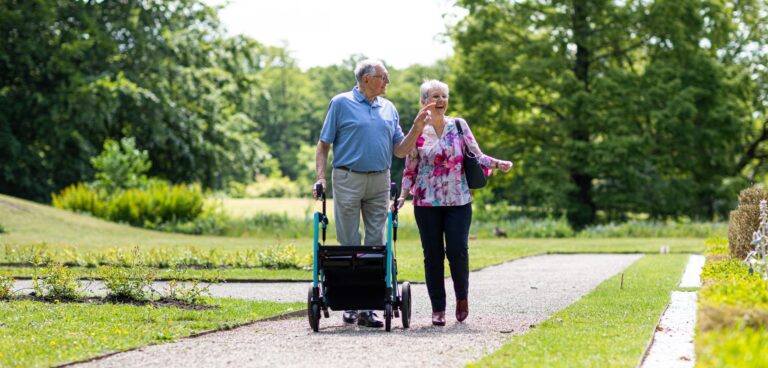
Assistive devices and home modifications extend independence. Canes and walkers provide stability, while laser-equipped devices can project lines to help overcome freezing. Removing throw rugs, installing grab bars, improving lighting, and rearranging furniture to eliminate narrow passages reduces environmental triggers for freezing and falls. Voice-activated home systems allow control of lights, thermostats, and entertainment without requiring fine motor movements. These adaptations represent practical problem-solving rather than giving up””they acknowledge reality while maximizing function.
Looking Forward: The Growing Parkinson’s Population and Emerging Research
The demographics of Parkinson’s are shifting dramatically. With 25.2 million people projected to have the disease by 2050″”a 112% increase from 2021″”healthcare systems and communities will need to adapt. Population aging drives 89% of this growth, with the 80+ age group seeing a projected 196% increase in cases. In the United States alone, nearly 90,000 people receive a Parkinson’s diagnosis annually, and the economic burden approaches $61.5 billion per year. These numbers represent individual stories of adjustment, each person navigating the challenges this article describes.
Research continues to advance understanding and treatment. Gene therapy approaches attempt to restore dopamine production or protect remaining neurons. Deep brain stimulation, already an established therapy for advanced Parkinson’s, is being refined and tested in earlier disease stages. Stem cell therapies aim to replace lost dopaminergic neurons. While no current treatment halts or reverses the disease, the trajectory of research offers reasonable hope that outcomes will improve for those diagnosed in coming years. In the meantime, the strategies discussed here””medication management, exercise, physical therapy, and psychological adaptation””remain the best tools available for adjusting to limited movement.
Conclusion
Living with Parkinson’s movement limitations requires a comprehensive approach that combines medical treatment, physical strategies, and emotional adaptation. The techniques for managing symptoms””thinking big, using rhythmic cues, practicing conscious movement””are learnable skills that become more effective with practice. Medications provide significant relief for most people, though finding the right regimen requires patience and ongoing adjustment. Exercise and physical therapy are not optional extras but essential components of care that may actually slow disease progression.
The path forward involves accepting the reality of the disease while refusing to surrender more function than necessary. This means staying active, learning adaptive techniques, seeking appropriate medical care, and building support networks. With 9.34 cases per 1,000 people over age 60, Parkinson’s touches many families. The stories of those who have adjusted””who have found ways to keep moving despite the challenges””offer both practical guidance and hope for those earlier in their journey. The goal is not to return to a pre-Parkinson’s state but to live as fully as possible within new constraints.