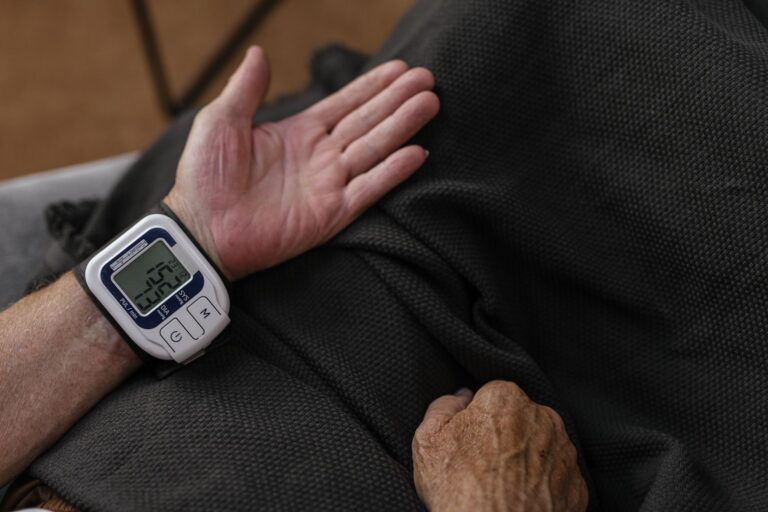
When a person with Parkinson’s disease experiences repeated falls over months or years, the cumulative damage to confidence, physical function, and independence can eventually result in profound mobility loss. Research shows that 60.5% of Parkinson’s patients report at least one fall, but it is the 39% who become recurrent fallers””experiencing an average of 20.8 falls per year””who face the greatest risk of losing their ability to walk independently. The progression typically follows a recognizable pattern: initial occasional stumbles give way to more frequent falls, which trigger fear of falling, which leads to reduced physical activity, which accelerates muscle weakness and motor decline, which causes more falls. This vicious cycle, left unchecked, can transform someone who once walked freely into someone confined to a wheelchair or bed. Consider a patient in their early seventies who managed their Parkinson’s symptoms reasonably well for the first several years after diagnosis.
The falls started gradually””once every few months, usually when turning quickly or navigating uneven surfaces. Over time, the falls became weekly occurrences. Each fall eroded confidence and physical reserve. Eventually, the fear of falling became so overwhelming that walking any distance seemed impossible. This trajectory, while not inevitable, is common enough that researchers have dedicated significant resources to understanding why it happens and how to interrupt it. This article examines the mechanisms behind fall-related mobility loss in Parkinson’s disease, the risk factors that accelerate decline, current research into assessment and intervention, and practical strategies that patients and caregivers can implement to preserve mobility as long as possible.
Table of Contents
- Why Do Frequent Falls Lead to Permanent Mobility Loss in Parkinson’s Patients?
- The Compounding Risk Factors That Accelerate Decline
- What Current Research Reveals About Mobility Assessment
- How Exercise Interventions Can Preserve Mobility
- When Standard Interventions Fall Short
- The Role of Assistive Devices and Environmental Modification
- Looking Ahead: Emerging Approaches and Realistic Hope
- Conclusion
Why Do Frequent Falls Lead to Permanent Mobility Loss in Parkinson’s Patients?
The connection between repeated falls and eventual immobility involves both physical and psychological mechanisms that reinforce each other. Physically, each fall can cause injuries””fractures, soft tissue damage, head trauma””that require periods of reduced activity for healing. During these recovery periods, Parkinson’s patients lose muscle mass and cardiovascular conditioning faster than healthy older adults. The disease itself impairs the brain’s ability to relearn motor patterns, making rehabilitation more difficult after each setback. Psychologically, the fear of falling becomes a powerful force that shapes behavior. Patients begin avoiding activities they associate with fall risk: walking outside, climbing stairs, moving through crowded spaces.
This protective avoidance feels rational in the moment but accelerates physical decline. Studies identify fear of falling as a significant independent risk factor for recurrent falls, creating a paradox where the attempt to prevent falls actually increases fall risk by weakening the body’s capacity to recover from balance challenges. The freezing of gait phenomenon adds another layer of complexity. Freezing episodes””sudden, temporary inability to initiate or continue walking””become more frequent as Parkinson’s progresses and are strongly associated with falls. A patient might be walking normally when their feet suddenly feel glued to the floor, often at doorways, when turning, or when approaching obstacles. The unpredictability of freezing episodes makes patients reluctant to walk even in familiar environments.

The Compounding Risk Factors That Accelerate Decline
Research has identified multiple risk factors that predict who will become a recurrent faller and who will experience more rapid mobility loss. These factors tend to cluster together and amplify each other’s effects. Positive fall history is the strongest predictor””once someone has fallen, they are significantly more likely to fall again. Increased disease severity and longer disease duration correlate with higher fall risk, as do motor impairment and cognitive impairment. However, medication effects introduce a complication that patients and clinicians must navigate carefully. Treatment with dopamine agonists and increased levodopa dosage are associated with higher fall rates.
This does not mean medication should be avoided””these drugs provide essential symptom relief””but it does mean that dosing decisions involve tradeoffs. A patient who increases their levodopa to reduce stiffness may find that the medication’s side effects, including possible orthostatic hypotension and dyskinesias, actually increase fall risk. Finding the right balance requires ongoing collaboration between patient and neurologist. Cognitive impairment deserves special attention because it affects both fall risk and the ability to participate in fall prevention strategies. Patients with significant cognitive decline may forget to use assistive devices, misjudge distances, or fail to recognize hazardous situations. Caregivers of cognitively impaired Parkinson’s patients face the difficult task of providing enough supervision to prevent falls without completely eliminating the physical activity necessary to maintain mobility.
What Current Research Reveals About Mobility Assessment
Recent studies are transforming how clinicians understand and measure mobility deficits in Parkinson’s disease. The traditional approach””observing patients in clinical settings””captures only a snapshot of function that may not reflect real-world performance. A 2026 study published in Nature describes an approach combining clinical assessments, instrumented gait analysis, and wearable sensors for one-week home monitoring to better characterize mobility deficits in Parkinsonian disorders. This shift toward real-world assessment matters because Parkinson’s symptoms fluctuate throughout the day and across environments.
A patient might perform relatively well during a clinic visit when medication is at peak effect and motivation is high, then struggle significantly at home during “off” periods or when fatigued. Wearable sensors can capture these fluctuations, providing clinicians with data about actual fall risk and mobility patterns rather than idealized clinic performance. The AT-HOME PD2 Study, which enrolled 142 participants with an average age of 69.2 years and average disease duration of 8.9 years, exemplifies this research direction. By studying patients in their home environments over extended periods, researchers can identify early warning signs of mobility decline and potentially intervene before significant disability develops. For patients and families, these advances offer hope that future care will be more personalized and proactive.

How Exercise Interventions Can Preserve Mobility
The evidence for exercise as a fall prevention strategy in Parkinson’s disease is substantial, though the benefits come with important caveats. Research shows that exercise reduces fall rates by approximately 35% in early to mid-stage patients and reduces the proportion of people experiencing one or more falls by approximately 10%. These numbers represent meaningful improvements, but they also indicate that exercise alone cannot eliminate fall risk. The type and intensity of exercise matters significantly. Fully supervised exercises are more effective than partially supervised or independent exercise programs.
This finding presents a practical challenge: supervised exercise requires access to trained professionals and often considerable expense, while independent home exercise programs are more accessible but less effective. Patients must weigh these tradeoffs based on their resources, disease stage, and personal circumstances. Balance training, strength training, and gait training all contribute to fall prevention, but no single approach works for everyone. A patient with primary freezing of gait might benefit most from cueing strategies and obstacle navigation practice, while someone whose falls result from weakness might need strength-focused rehabilitation. The most effective programs are individualized based on comprehensive assessment of each patient’s specific deficits and fall patterns.
When Standard Interventions Fall Short
Despite best efforts, some patients experience continued mobility decline even with optimal medical management, regular exercise, and appropriate home modifications. Understanding the limitations of current interventions helps patients and families set realistic expectations and make informed decisions about care. Standard exercise programs are most effective in early to mid-stage disease. Patients with advanced Parkinson’s, significant cognitive impairment, or severe freezing of gait may not achieve the same benefits.
This does not mean exercise should be abandoned””maintaining any level of physical activity provides benefits beyond fall prevention””but expectations should be calibrated accordingly. Medication optimization faces inherent limits. Parkinson’s is a progressive disease, and dopaminergic medications become less effective over time while side effects may worsen. Some patients reach a point where no medication adjustment can adequately control symptoms without causing intolerable side effects. At this stage, the focus often shifts from preventing mobility loss to managing its consequences and maintaining quality of life.

The Role of Assistive Devices and Environmental Modification
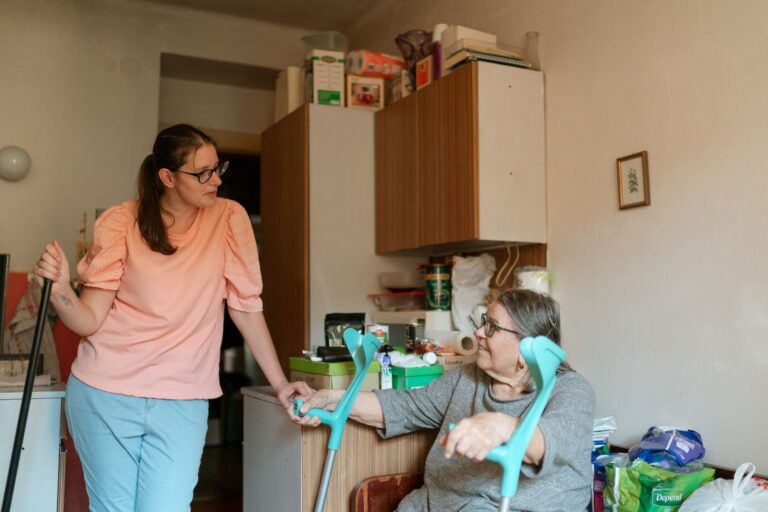
Walking aids””canes, walkers, rollators””can extend independent mobility but require proper fitting, training, and acceptance. Many patients resist using assistive devices due to stigma or denial about their condition’s progression. This resistance can be counterproductive: a patient who refuses a walker and falls may lose more independence more quickly than one who accepts the device and continues walking safely. For example, a rollator with a seat allows patients to walk as far as they can, then rest when needed, extending their range and participation in daily activities.
However, the same device can create hazards if used improperly on uneven surfaces or if the patient attempts to use it during severe freezing episodes. Training from a physical therapist on proper use is essential. Home modifications””removing throw rugs, installing grab bars, improving lighting, creating clear pathways””reduce environmental fall hazards. These changes are most effective when combined with behavioral strategies rather than implemented in isolation.
Looking Ahead: Emerging Approaches and Realistic Hope
Research continues to explore new interventions for fall prevention and mobility preservation in Parkinson’s disease. Deep brain stimulation shows promise for certain patients with medication-resistant symptoms. Virtual reality training programs may provide engaging ways to practice balance and gait skills.
Wearable devices that detect and respond to freezing episodes are in development. For patients currently managing Parkinson’s, the most important message is that mobility loss is not inevitable or linear. Active engagement with treatment, consistent exercise, appropriate use of assistive devices, and proactive medical management can significantly extend independent mobility. Even when decline occurs, maintaining some level of physical activity and social engagement preserves quality of life.
Conclusion
The journey from occasional falls to significant mobility loss in Parkinson’s disease follows predictable patterns driven by physical decline, fear of falling, reduced activity, and disease progression. With 39% of Parkinson’s patients experiencing recurrent falls averaging over 20 falls per year, this trajectory affects a substantial portion of those living with the disease. Understanding the mechanisms and risk factors allows patients, families, and clinicians to intervene strategically.
The evidence supports a proactive, multi-faceted approach: optimized medication management balanced against side effect risks, supervised exercise programs that reduce fall rates by approximately 35%, appropriate assistive device use, home modifications, and ongoing monitoring that may soon include wearable sensors for real-world assessment. While current interventions cannot guarantee preservation of mobility, they offer meaningful extensions of independence and quality of life. Early and consistent attention to fall prevention remains the most effective strategy for maintaining mobility as long as possible.
You Might Also Like
- Living With Parkinson’s After Years of Serious Injuries
- A Well Known Parkinson’s Patient on Falls Fractures and Aging
- What Repeated Falls Look Like in Long Term Parkinson’s Disease
For more, see National Institute on Aging.