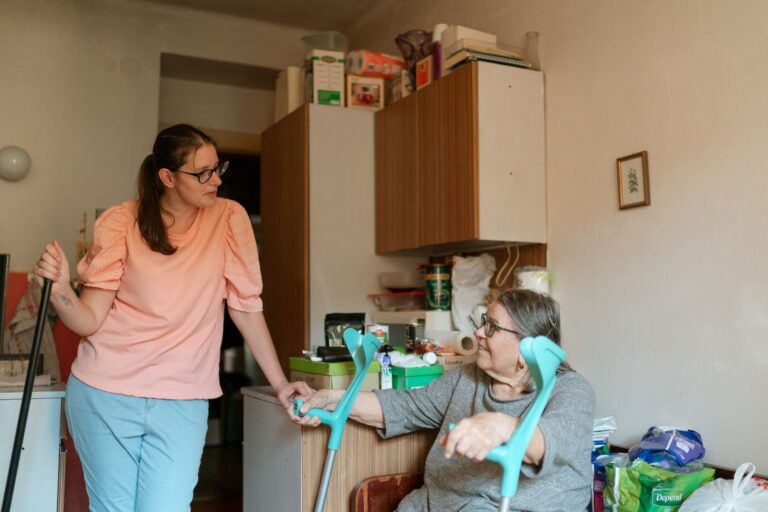
Michael J. Fox, beloved star of Back to the Future and Family Ties, has spoken publicly about how Parkinson’s disease progressively robbed him of his ability to walk safely and independently. Diagnosed in 1991 at just 29 years old, Fox initially managed his symptoms while continuing to act, but the disease’s relentless progression eventually affected his gait, balance, and motor control to the point where walking became dangerous and ultimately impossible without significant assistance. His journey illustrates the cruel reality that Parkinson’s disease does not merely cause tremors””it fundamentally attacks the brain’s ability to coordinate the complex movements required for something as basic as putting one foot in front of the other.
Parkinson’s disease affects approximately one million Americans, with movement difficulties standing as its hallmark symptom. While the public often associates the condition with shaking hands, the disease’s impact on walking and mobility proves far more debilitating for most patients. The loss of dopamine-producing neurons in the brain disrupts the signals that control smooth, coordinated movement, leading to shuffling steps, freezing episodes, and eventual loss of ambulatory function. Understanding how this progression unfolds””as demonstrated through Fox’s very public battle””helps families prepare for what lies ahead when caring for loved ones with this condition.
Table of Contents
- Why Does Parkinson’s Disease Affect Walking?
- The Hidden Dangers of Parkinson’s Mobility Loss
- Adapting the Home for Parkinson’s Mobility Challenges
- When Walking Becomes Impossible
- Key Steps
- Tips
- Conclusion
Why Does Parkinson’s Disease Affect Walking?
parkinson‘s disease damages the substantia nigra, a region of the brain responsible for producing dopamine, which serves as a critical messenger for movement coordination. When dopamine levels drop below 60 to 80 percent of normal, the brain struggles to send clear signals to muscles, resulting in the characteristic motor symptoms that define the disease. Walking requires an intricate symphony of muscle activation, balance adjustments, and spatial awareness that becomes increasingly difficult as these neural pathways deteriorate. The progression from normal walking to mobility loss typically follows a predictable pattern.
Early stages may show only subtle changes””slightly shorter steps, reduced arm swing, or occasional stumbling. Muhammad Ali, another public figure who battled Parkinson’s for decades, demonstrated this gradual decline from the agile boxer who danced around opponents to someone who required assistance for basic movements. For Michael J. Fox, the transition included increasingly frequent falls, frozen gait episodes where his feet seemed glued to the floor, and eventually the realization that walking independently posed too great a risk of serious injury.

The Hidden Dangers of Parkinson’s Mobility Loss
Beyond the visible tremors and shuffling gait lies a more insidious threat: the cognitive load that walking demands from Parkinson’s patients. Healthy individuals walk automatically, but those with Parkinson’s must consciously think through each step, dividing their attention between movement and their surroundings. This mental effort means that simple distractions””a conversation, navigating around furniture, or responding to a doorbell””can trigger sudden freezing or falls.
Families should understand that mobility loss often accelerates more rapidly than expected, and the window for preparation can be brief. Falls represent the leading cause of injury-related hospitalization among Parkinson’s patients, with studies showing that 60 percent of patients experience at least one fall annually, and two-thirds of those will fall repeatedly. The warning signs include near-misses, grabbing furniture for support, reluctance to walk in unfamiliar environments, and increased anxiety about movement. Waiting until a serious fall occurs to implement safety measures often means waiting too long.
Adapting the Home for Parkinson’s Mobility Challenges
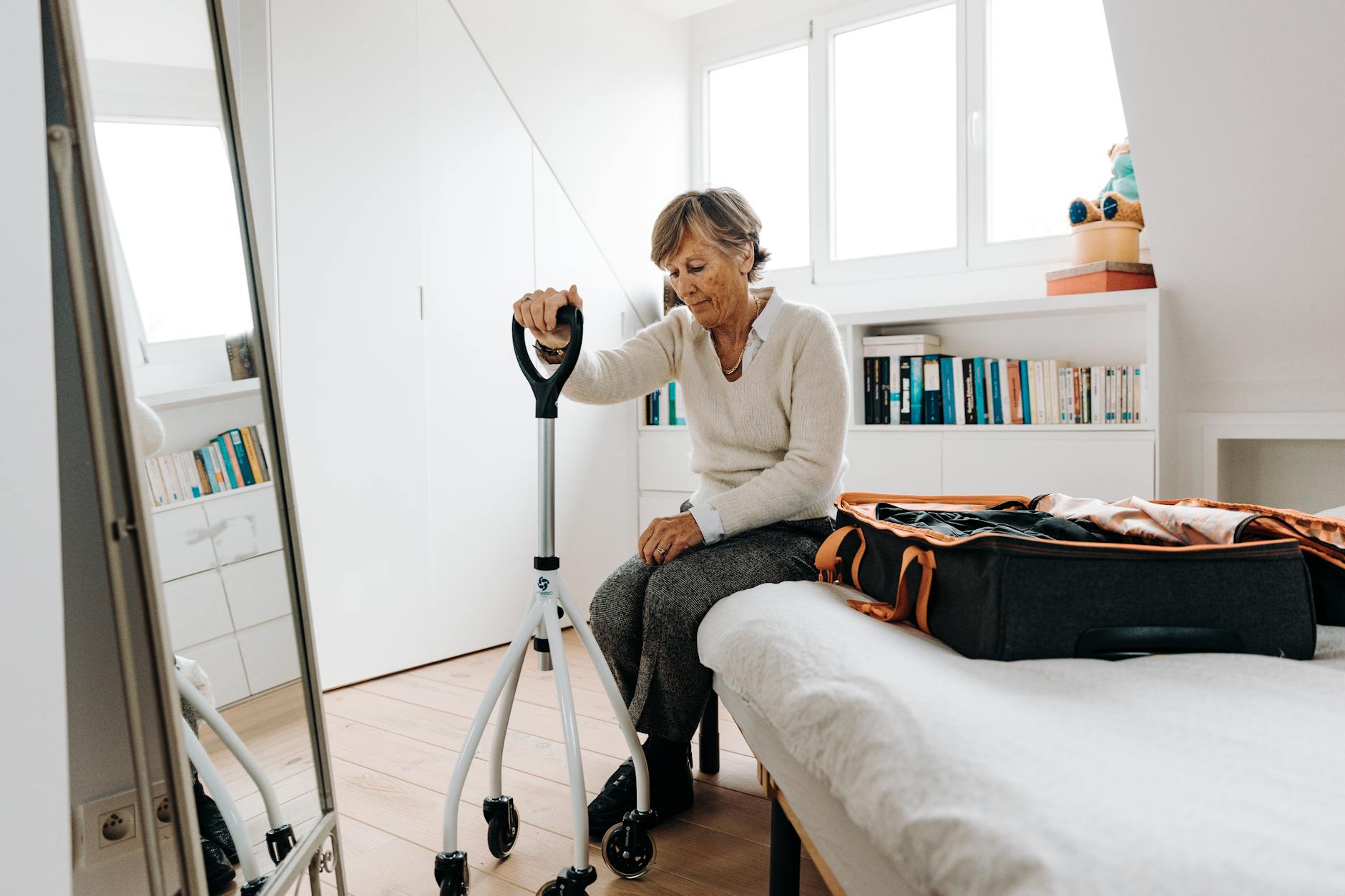
Home modifications can extend independent mobility and reduce fall risk significantly when implemented early in the disease progression. Removing throw rugs, installing grab bars in bathrooms, improving lighting in hallways, and creating clear walking paths through rooms all address common hazard points. Compared to nursing home placement, which averages over 9,000 dollars monthly, home modifications typically cost between 2,000 and 10,000 dollars for comprehensive safety upgrades””an investment that often allows patients to remain home years longer. Assistive devices range from simple canes to sophisticated walkers with laser guidance systems that project visual cues on the floor, helping patients overcome freezing episodes.
The contrast between patients who receive early mobility intervention and those who do not is stark: research indicates that physical therapy combined with appropriate assistive devices can delay significant mobility decline by two to four years. michael J. Fox has credited his team of physical therapists and carefully designed exercise routines with helping him maintain function longer than his disease progression might otherwise have allowed.
When Walking Becomes Impossible
The transition from impaired walking to wheelchair dependence often follows a triggering event rather than gradual decline. A broken hip from a fall, a hospitalization for unrelated illness, or a medication adjustment gone wrong can accelerate mobility loss dramatically. Fox has described how his decision to limit walking came after multiple falls resulted in a broken arm, facial injuries, and a surgery that forced him to reassess his approach to daily movement.
Accepting mobility aids represents an emotional milestone that patients and families frequently resist, viewing wheelchairs or walkers as symbols of defeat. However, this perspective often leads to preventable injuries and faster overall decline. One patient described fighting against using a wheelchair for two years, during which time she suffered seven falls, three requiring emergency room visits. Within months of accepting the wheelchair for longer distances while using a walker for short home navigation, her quality of life improved dramatically, and her overall activity level actually increased because she no longer feared movement.
Key Steps
- Establish baseline mobility assessment early by working with a neurologist and physical therapist to document current walking ability, balance, and fall risk so that changes can be measured objectively over time.
- Implement home safety modifications before they become urgent, including bathroom grab bars, removal of tripping hazards, and improved lighting in all areas where walking occurs.
- Develop a progressive assistive device plan that identifies which mobility aids to introduce at various stages, reducing the emotional burden of sudden transitions during crisis moments.
- Create a fall response protocol that includes how the patient will summon help, whether emergency alert devices are needed, and what family members or caregivers should do when falls occur.
Tips
- Encourage daily walking practice during medication “on” periods when symptoms are best controlled, even if distances are short, as regular movement helps maintain remaining function longer than rest.
- Use verbal or rhythmic cues during walking, such as counting steps aloud or walking to music with a strong beat, which can help bypass the damaged automatic movement pathways.
- Schedule physical therapy sessions specifically focused on gait training and balance rather than general fitness, as targeted intervention produces better mobility outcomes.
Conclusion
Michael J. Fox’s public journey with Parkinson’s disease has illuminated the devastating impact this condition has on walking and mobility, transforming a vibrant actor known for his physical comedy into an advocate who now relies on wheelchairs and assistance for movement.
His experience mirrors that of over one million Americans facing the same progressive loss, where damaged dopamine pathways gradually steal the ability to perform movements most people never think twice about. Understanding this progression, implementing safety measures early, embracing assistive devices without shame, and working with specialized physical therapists offers the best chance of maintaining mobility and quality of life for as long as possible.
You Might Also Like
- When Parkinson’s Disease Leads to Loss of Independent Walking
- Why Some People Progress From MCI to Alzheimer’s Disease
- Why Some People Progress From MCI to Alzheimer’s Disease
For more, see NIH MedlinePlus — cognitive testing.