Tau predicts sits at the center of this dementia and brain health question.
Understanding why tau predicts dementia symptom severity has transformed how researchers and clinicians approach Alzheimer’s disease and related conditions. For decades, amyloid plaques dominated the conversation about dementia, but emerging evidence has repositioned tau protein as the more reliable indicator of cognitive decline and functional impairment. This shift represents one of the most significant developments in dementia research over the past fifteen years. The relationship between tau and symptom severity matters because it directly impacts treatment strategies, clinical trial design, and patient care planning.
Families watching a loved one decline often ask why two people with similar amyloid levels can have vastly different symptoms””tau provides much of that answer. The protein’s spread through the brain follows predictable patterns that mirror the progression of memory loss, confusion, and behavioral changes that define dementia’s clinical presentation. By the end of this article, readers will understand the biological mechanisms that make tau such a powerful predictor, how tau imaging has changed diagnostic capabilities, and what this means for current and future treatment approaches. The science here is complex, but the implications are practical: better understanding of tau leads to more accurate prognoses, more targeted interventions, and ultimately, better care for those affected by dementia.
Table of Contents
- What Is Tau Protein and Why Does It Matter for Dementia?
- How Tau Accumulation Correlates With Cognitive Decline
- Tau Versus Amyloid as Predictors of Dementia Severity
- Clinical Applications of Tau Imaging for Predicting Symptom Progression
- Challenges and Limitations in Using Tau to Predict Dementia Severity
- Emerging Tau-Targeted Therapies and Their Implications
- How to Prepare
- How to Apply This
- Expert Tips
- Conclusion
- Frequently Asked Questions
What Is Tau Protein and Why Does It Matter for Dementia?
tau protein serves an essential function in healthy brains. It stabilizes microtubules””the internal scaffolding that neurons use to transport nutrients, neurotransmitters, and other cellular cargo from one end of the cell to the other. When tau functions normally, neurons communicate efficiently and maintain their structural integrity. The protein exists in six different forms in the adult human brain, each playing a role in keeping neural architecture stable. In Alzheimer’s disease and other tauopathies, tau undergoes chemical changes called hyperphosphorylation.
This modification causes tau to detach from microtubules and clump together into neurofibrillary tangles inside neurons. Without tau’s stabilizing presence, microtubules collapse, and the neuron’s transport system fails. Cells can no longer move essential materials where they need to go, leading to synaptic dysfunction and eventually cell death. The significance of tau pathology extends beyond Alzheimer’s. Frontotemporal dementia, progressive supranuclear palsy, corticobasal degeneration, and chronic traumatic encephalopathy all involve abnormal tau accumulation. Each condition shows distinct patterns of tau spread and different clinical manifestations, but the underlying mechanism””tau’s transformation from helpful to harmful””remains consistent.
- Tau normally stabilizes the neuron’s internal transport system
- Hyperphosphorylation causes tau to form toxic tangles
- Multiple dementia types involve tau pathology with distinct spread patterns

How Tau Accumulation Correlates With Cognitive Decline
Research using tau PET imaging has established remarkably strong correlations between tau burden and symptom severity. A landmark 2020 study published in Science Translational Medicine found that tau PET signal predicted cognitive decline over the following 15 months with greater accuracy than any other biomarker, including amyloid levels, brain atrophy, or baseline cognitive scores. The correlation coefficient between tau accumulation and cognitive change reached 0.5 to 0.6 in most studies””a substantial relationship in neuroscience research. The anatomical distribution of tau explains why it predicts specific symptoms so well. Tau accumulation in the medial temporal lobe, including the entorhinal cortex and hippocampus, correlates with episodic memory impairment. When tau spreads to the temporal and parietal association cortices, language difficulties and visuospatial problems emerge.
Frontal tau deposition tracks with executive dysfunction and behavioral changes. This regional specificity means clinicians can often predict which symptoms will worsen based on where tau has accumulated. Longitudinal imaging studies have demonstrated that tau spreads through connected brain networks in a prion-like fashion. Misfolded tau appears to template the misfolding of normal tau in receiving neurons, propagating pathology along synaptic connections. This spreading pattern follows the classic Braak staging system described in autopsy studies, now visible in living patients through PET imaging. The rate of tau spread, measured over one to two years, predicts the rate of subsequent cognitive decline.
- Tau PET signal predicts cognitive trajectory better than amyloid or atrophy measures
- Regional tau distribution corresponds to specific symptom domains
- Tau spreads through connected neural networks in predictable patterns
Tau Versus Amyloid as Predictors of Dementia Severity
The amyloid hypothesis dominated Alzheimer’s research for three decades, proposing that amyloid-beta plaques initiated a cascade leading to neurodegeneration. This framework guided billions of dollars in drug development, yet amyloid-targeting therapies showed limited clinical benefits until recently. One reason: amyloid accumulation correlates weakly with symptom severity. Many cognitively normal elderly individuals harbor substantial amyloid deposits, while some symptomatic patients show relatively modest plaque burden. Tau provides what amyloid cannot””a biomarker that tracks with what patients and families actually experience. Studies directly comparing tau and amyloid as predictors consistently favor tau.
In the Alzheimer’s Disease Neuroimaging Initiative cohort, tau PET explained approximately 40% of the variance in cognitive performance, compared to roughly 5% for amyloid PET. This difference reflects a fundamental biological reality: tau tangles form inside neurons and directly disrupt their function, while amyloid plaques accumulate in extracellular space with less immediate impact on cellular health. Current understanding positions amyloid as an upstream trigger and tau as the downstream executor of neuronal damage. Amyloid accumulation may be necessary for Alzheimer’s disease to develop, but tau pathology drives the clinical syndrome. This framework explains why amyloid can accumulate for fifteen to twenty years before symptoms appear””the disease doesn’t manifest until tau begins spreading beyond the medial temporal lobe. It also explains why anti-amyloid treatments may need to be administered very early, before tau pathology becomes self-propagating.
- Amyloid correlates weakly with symptom severity despite its causal role
- Tau PET explains substantially more variance in cognitive performance
- Current models view amyloid as trigger and tau as executor of neurodegeneration

Clinical Applications of Tau Imaging for Predicting Symptom Progression
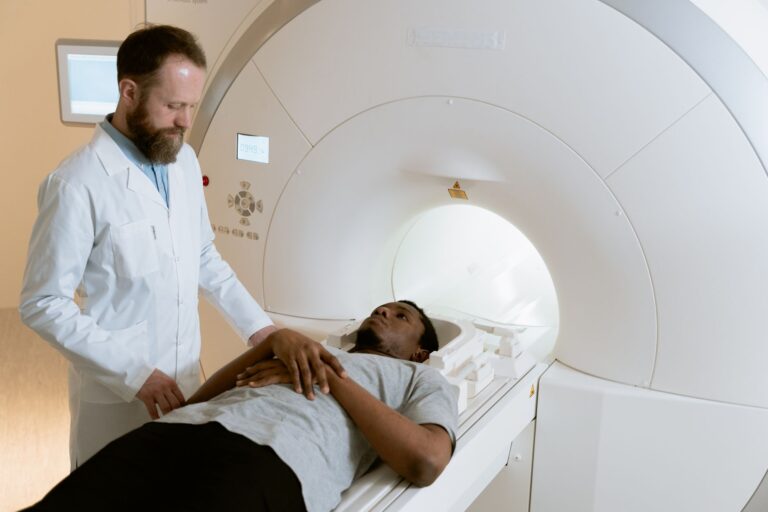
Tau PET imaging has moved from research settings into clinical practice, with the FDA approving flortaucipir (Tauvid) in 2020 for estimating tau neurofibrillary tangle density in adults with cognitive impairment being evaluated for Alzheimer’s disease. This approval marked a practical milestone””clinicians can now visualize tau pathology in living patients rather than waiting for autopsy confirmation. The information guides diagnostic accuracy, treatment decisions, and family counseling about expected disease trajectory. Prognostic applications represent tau imaging’s greatest clinical value. When a patient presents with mild cognitive impairment, tau PET helps predict who will progress to dementia and how quickly.
Patients with elevated tau in the temporal and parietal regions face a substantially higher risk of decline over the following two to three years compared to those with tau limited to the medial temporal lobe. This information allows families to plan appropriately””for care needs, financial arrangements, and quality-of-life priorities while function remains intact. Clinical trials increasingly use tau PET as both an enrollment criterion and an outcome measure. Selecting participants with confirmed tau pathology ensures that trials test treatments in people who actually have the target present. Using tau accumulation rate as an endpoint provides a more sensitive measure of treatment effect than cognitive testing alone, potentially allowing smaller, shorter, and more efficient trials. Several tau-targeting therapies currently in Phase 2 and 3 trials employ this biomarker-driven approach.
- FDA-approved tau PET enables visualization of tangles in living patients
- Tau imaging helps predict which MCI patients will progress to dementia
- Clinical trials use tau as enrollment criteria and outcome measures
Challenges and Limitations in Using Tau to Predict Dementia Severity
Despite tau’s predictive power, significant challenges remain in its clinical application. Tau PET tracers bind to beta-sheet structures that exist in multiple proteins, creating off-target signal in some brain regions. The basal ganglia and choroid plexus show binding unrelated to tau pathology, complicating interpretation. Different tau isoforms found in non-Alzheimer’s tauopathies bind current tracers with varying affinity, limiting diagnostic accuracy in conditions like progressive supranuclear palsy and corticobasal degeneration. Access and cost present practical barriers. A single tau PET scan costs between $3,000 and $6,000 in the United States, and insurance coverage remains inconsistent.
The radiotracer requires a cyclotron for production, limiting availability to academic medical centers and specialized imaging facilities. Many patients who might benefit from tau imaging cannot access it due to geography or finances. Blood-based tau biomarkers, particularly phosphorylated tau-181 and tau-217, offer promising alternatives at a fraction of the cost, though they provide less anatomical detail than PET. Individual variability in the tau-symptom relationship also complicates prediction. Cognitive reserve””the brain’s ability to compensate for pathology through redundant neural networks””means that two patients with identical tau burdens may show different symptom levels. Education, occupational complexity, and lifelong cognitive engagement all contribute to reserve. Additionally, co-pathologies like cerebrovascular disease, Lewy bodies, and TDP-43 inclusions commonly co-occur with tau in elderly patients, adding noise to predictive models that focus on tau alone.
- Current tau PET tracers show off-target binding and variable affinity for different tau isoforms
- Cost and availability limit widespread clinical use of tau imaging
- Cognitive reserve and co-pathologies create individual variability in tau-symptom relationships

Emerging Tau-Targeted Therapies and Their Implications
The recognition that tau drives symptom severity has accelerated therapeutic development targeting this protein. Tau aggregation inhibitors, immunotherapies, antisense oligonucleotides, and gene therapies are all under active investigation. Several tau antibodies””including semorinemab, gosuranemab, tilavonemab, and bepranemab””have completed or are undergoing Phase 2 trials. Early results have been mixed, but the field has learned that targeting extracellular tau may be less effective than approaches addressing intracellular pathology.
The tau-focused approach represents a philosophical shift in dementia treatment. Rather than trying to prevent disease initiation by clearing amyloid, tau-targeted therapies aim to slow or halt disease progression by interrupting the spread of pathology. If successful, these treatments could be administered after symptoms appear and still provide meaningful benefit””a significant advantage over amyloid-targeting approaches that may need to be given during the preclinical phase. This timing flexibility would make treatment accessible to far more patients.
How to Prepare
- **Know your family history and genetic risk factors.** First-degree relatives of Alzheimer’s patients have a two to four times higher lifetime risk. APOE4 carrier status, which can be determined through genetic testing, affects both amyloid and tau accumulation rates. Having this information allows you to discuss screening options with your physician and make informed decisions about when to pursue biomarker testing.
- **Establish a cognitive baseline with formal neuropsychological testing.** Standard screening tools like the Montreal Cognitive Assessment provide a starting point, but comprehensive neuropsychological evaluation offers greater sensitivity for detecting subtle changes. Testing should assess episodic memory, executive function, language, and visuospatial skills””the domains affected by tau pathology in different brain regions.
- **Discuss biomarker testing options with a dementia specialist.** Blood tests for phosphorylated tau (p-tau-181 and p-tau-217) can indicate Alzheimer’s pathology with reasonable accuracy and are becoming more widely available. Abnormal blood biomarkers may warrant follow-up with amyloid or tau PET imaging to characterize pathology extent and distribution.
- **Address modifiable risk factors aggressively.** The 2020 Lancet Commission identified twelve modifiable factors accounting for approximately 40% of dementia risk: less education, hypertension, hearing impairment, smoking, obesity, depression, physical inactivity, diabetes, low social contact, excessive alcohol, traumatic brain injury, and air pollution. Managing these factors may slow tau accumulation and neurodegeneration regardless of genetic risk.
- **Establish care with a memory disorders clinic before crisis occurs.** Building a relationship with specialists who understand tau pathology and its implications allows for better longitudinal monitoring and timely intervention when changes occur. These clinics can coordinate biomarker testing, interpret results in clinical context, and connect families with appropriate resources.
How to Apply This
- **Request a referral to a neurologist specializing in cognitive disorders if you notice persistent memory concerns.** Subjective cognitive complaints, particularly in individuals with risk factors, warrant evaluation. Early assessment allows for biomarker testing when results can guide planning rather than merely confirm what has become clinically obvious.
- **If diagnosed with mild cognitive impairment, ask about tau biomarker testing to understand prognosis.** Blood-based tau markers are increasingly accessible and provide meaningful prognostic information. Knowing whether tau pathology is present and its likely trajectory helps families make realistic plans while the affected individual can still participate in decisions.
- **Engage in evidence-based interventions that may slow tau-related degeneration.** Aerobic exercise shows the most consistent evidence for promoting brain health, with studies demonstrating effects on both brain volume and cognitive performance. Mediterranean-style dietary patterns, cognitive engagement, and social connection also show protective associations in longitudinal studies.
- **Consider participation in clinical trials testing tau-targeted therapies.** Research registries like the Alzheimer’s Prevention Trials Webstudy match volunteers with appropriate studies based on their risk profile and biomarker status. Trial participation provides access to cutting-edge treatments and contributes to scientific progress regardless of individual outcome.
Expert Tips
- **Interpret tau biomarker results in context, not isolation.** An elevated p-tau level means different things in a 55-year-old with memory complaints versus an 85-year-old with stable cognition. Age, symptoms, other biomarkers, and individual factors all influence what tau results mean for a specific person.
- **Recognize that tau pathology begins decades before symptoms appear.** By the time memory problems become noticeable, tau has typically spread beyond the medial temporal lobe. This long preclinical phase means that preventive strategies should begin in midlife rather than waiting for cognitive changes.
- **Understand that current tau PET scans show correlation, not causation.** High tau burden doesn’t guarantee rapid decline, and modest tau accumulation doesn’t ensure stability. The relationship is probabilistic, and individual trajectories vary based on factors beyond tau alone.
- **Monitor for changes in specific cognitive domains that match tau distribution patterns.** If tau imaging shows temporal-parietal involvement, watch for language and navigation difficulties. Frontal tau predicts executive and behavioral changes. This regional specificity helps families know what to expect and prepare appropriately.
- **Stay informed about rapidly evolving treatment options.** The tau therapeutic landscape is changing quickly, with multiple agents in late-stage development. Treatments that seem years away may become available sooner than expected, making ongoing engagement with the medical system valuable even when current options are limited.
Conclusion
The relationship between tau protein and dementia symptom severity represents a fundamental insight that has reshaped how we understand, diagnose, and approach treatment for Alzheimer’s disease and related conditions. Tau pathology tracks with what patients and families experience in a way that other biomarkers do not, making it an essential tool for prognosis and care planning. The ability to visualize tau accumulation in living patients through PET imaging, and increasingly through blood tests, has practical implications that extend far beyond research laboratories.
Looking ahead, tau-focused approaches offer hope for treatments that could meaningfully slow disease progression even after symptoms have appeared. While challenges remain””including tracer limitations, access disparities, and individual variability””the scientific foundation for tau-targeted therapies grows stronger each year. For those affected by dementia or concerned about their risk, understanding tau’s central role provides both context for current symptoms and reason for cautious optimism about future treatments. Engaging with healthcare providers knowledgeable about tau biology, pursuing appropriate biomarker testing, and addressing modifiable risk factors represent concrete steps toward better brain health outcomes.
Frequently Asked Questions
How long does it typically take to see results?
Results vary depending on individual circumstances, but most people begin to see meaningful progress within 4-8 weeks of consistent effort. Patience and persistence are key factors in achieving lasting outcomes.
Is this approach suitable for beginners?
Yes, this approach works well for beginners when implemented gradually. Starting with the fundamentals and building up over time leads to better long-term results than trying to do everything at once.
What are the most common mistakes to avoid?
The most common mistakes include rushing the process, skipping foundational steps, and failing to track progress. Taking a methodical approach and learning from both successes and setbacks leads to better outcomes.
How can I measure my progress effectively?
Set specific, measurable goals at the outset and track relevant metrics regularly. Keep a journal or log to document your journey, and periodically review your progress against your initial objectives.
When should I seek professional help?
Consider consulting a professional if you encounter persistent challenges, need specialized expertise, or want to accelerate your progress. Professional guidance can provide valuable insights and help you avoid costly mistakes.
What resources do you recommend for further learning?
Look for reputable sources in the field, including industry publications, expert blogs, and educational courses. Joining communities of practitioners can also provide valuable peer support and knowledge sharing.
You Might Also Like
- Why Tau Predicts Dementia Symptom Severity
- Understanding Why Dementia Emerges When Tau Spreads Widely
- Understanding Mild Cognitive Impairment Before Dementia
For more, see Alzheimer’s Association — caregiving.