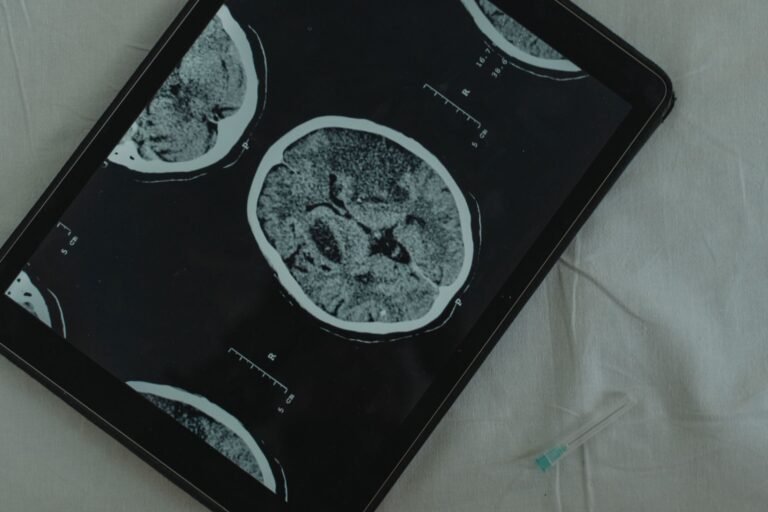
Understanding why dementia emerges when tau spreads widely throughout the brain represents one of the most significant advances in neuroscience over the past two decades. For millions of families watching a loved one slowly lose their memories, personality, and independence, the question of what actually causes these devastating changes has long remained frustratingly opaque. Recent research has illuminated a critical mechanism: the progressive spread of abnormal tau protein from one brain region to another, eventually reaching a tipping point where cognitive symptoms become impossible to ignore. The connection between tau protein and dementia has transformed how researchers approach both diagnosis and potential treatment.
While amyloid plaques received most of the attention in Alzheimer’s research for decades, scientists now recognize that tau pathology correlates far more closely with the actual symptoms patients experience. When tau remains confined to specific brain areas, individuals may show no outward signs of cognitive decline despite harboring the seeds of future disease. Only when this protein spreads widely, following predictable neural pathways, does dementia truly take hold. This article explores the biological mechanisms behind tau spread, explains why widespread distribution triggers cognitive decline, and examines what this knowledge means for patients and caregivers. Readers will gain a clearer picture of the disease process, learn about emerging diagnostic tools that can track tau progression, and understand why this research offers genuine hope for future interventions that might slow or halt dementia before it steals cognitive function.
Table of Contents
- What Is Tau Protein and Why Does It Cause Dementia When It Spreads?
- How Tau Spreads Through Neural Networks and Triggers Widespread Dementia
- The Relationship Between Tau Burden, Brain Atrophy, and Cognitive Decline
- How Researchers Track Tau Spread to Understand Dementia Emergence
- Why Some Brains Resist Tau Spread While Others Remain Vulnerable
- Emerging Therapies Targeting Tau Spread to Prevent Dementia
- How to Prepare
- How to Apply This
- Expert Tips
- Conclusion
- Frequently Asked Questions
What Is Tau Protein and Why Does It Cause Dementia When It Spreads?
tau protein serves an essential function in healthy brain cells. Under normal circumstances, tau stabilizes microtubules, the structural scaffolding that neurons rely on to transport nutrients, chemical signals, and waste products along their lengthy axons. Without properly functioning tau, neurons cannot maintain their shape or communicate effectively with neighboring cells. The protein earned its name from the Greek letter tau because of its role in tubulin-associated unit formation within these critical cellular structures. Problems begin when tau undergoes abnormal chemical modifications, particularly a process called hyperphosphorylation.
In this altered state, tau detaches from microtubules and begins aggregating into tangled clumps known as neurofibrillary tangles. These tangles accumulate inside neurons, disrupting normal cellular function and eventually triggering cell death. What makes tau particularly dangerous is its ability to spread from affected neurons to healthy ones, essentially seeding new pathology in previously unaffected brain regions. The spread of abnormal tau follows specific anatomical pathways that reflect how neurons connect to one another. Research using advanced imaging techniques has revealed that tau pathology typically begins in the entorhinal cortex, a region critical for memory formation, before spreading to the hippocampus and eventually reaching the neocortex. This predictable progression, first described by neuropathologists Heiko Braak and Eva Braak in the early 1990s, explains why memory problems usually appear first, followed by difficulties with language, reasoning, and eventually basic functions like recognizing family members.
- Tau normally stabilizes microtubules that form the internal transport system of neurons, making it essential for healthy brain function
- Hyperphosphorylated tau loses its normal function and aggregates into toxic tangles that kill neurons from within
- The spread of pathological tau follows neural connections, moving from cell to cell in a predictable pattern that corresponds to symptom progression

How Tau Spreads Through Neural Networks and Triggers Widespread Dementia
The mechanism by which tau spreads between neurons resembles how infectious agents propagate through populations, leading researchers to describe the process as prion-like. abnormal tau can be released from one neuron through several pathways, including direct secretion, packaging into small vesicles called exosomes, or release upon cell death. Once outside the cell, these misfolded tau seeds can be taken up by neighboring neurons, where they induce normal tau proteins to adopt the same pathological conformation. This templated misfolding explains why tau pathology spreads in consistent patterns across patients with similar disease types. Different tauopathies, including Alzheimer’s disease, progressive supranuclear palsy, and frontotemporal dementia, show distinct patterns of spread that reflect both the specific tau strains involved and the particular neural circuits affected. Alzheimer’s disease typically shows tau progression along the default mode network, a set of interconnected brain regions active during rest and self-reflection.
This network vulnerability helps explain why Alzheimer’s patients often struggle with autobiographical memory and introspection early in the disease course. The relationship between tau spread and symptom emergence follows a threshold model. Individuals can harbor significant tau pathology in limited brain regions while maintaining apparently normal cognitive function. This phenomenon, sometimes called cognitive reserve, reflects the brain’s remarkable ability to compensate for localized damage. Only when tau reaches critical brain areas or achieves sufficient density across multiple regions does compensation fail and symptoms emerge. Neuroimaging studies have shown that approximately 30 to 40 percent of cognitively normal older adults have detectable tau pathology, yet they remain functionally intact because the spread has not yet crossed this critical threshold.
- Tau spreads through prion-like mechanisms, with misfolded proteins inducing normal tau to adopt pathological conformations
- Different dementia types show distinct patterns of tau spread that correspond to their characteristic symptom profiles
- Cognitive symptoms emerge only when tau achieves widespread distribution or reaches critical brain regions, explaining why early pathology often remains clinically silent
The Relationship Between Tau Burden, Brain Atrophy, and Cognitive Decline
Brain imaging studies have established a clear hierarchy in how pathological changes relate to symptoms. amyloid plaques accumulate first, often decades before any cognitive symptoms appear. Tau pathology follows, initially remaining localized but gradually spreading as the disease progresses. Brain atrophy, the visible shrinkage of neural tissue, correlates most directly with tau distribution rather than amyloid burden. Finally, cognitive decline tracks most closely with both tau pathology and atrophy, creating a cascade where widespread tau leads to tissue loss, which produces symptoms. Longitudinal studies tracking patients over years have quantified these relationships with increasing precision. Research published in major neurology journals has demonstrated that tau PET signal predicts future atrophy with remarkable accuracy, particularly in brain regions where the tau signal is strongest.
One study following patients for an average of 15 months found that baseline tau levels predicted approximately 40 percent of the variance in subsequent brain volume loss. This predictive power significantly exceeds what amyloid imaging can achieve, cementing tau’s central role in the neurodegenerative cascade. The geographic match between tau distribution and symptom type provides further evidence for this causal relationship. Patients with posterior cortical atrophy, a variant of Alzheimer’s affecting visual processing, show tau concentrated in occipital and parietal regions while relatively sparing the hippocampus. These patients struggle with visual tasks and spatial navigation but may retain normal memory function until late in the disease. Similarly, patients with the logopenic variant of primary progressive aphasia show tau concentrated in left temporal and parietal regions, corresponding to their pronounced language difficulties. This anatomical specificity confirms that where tau spreads determines what functions decline.
- Tau pathology correlates more strongly with brain atrophy and cognitive decline than amyloid plaques, despite amyloid accumulating first
- Regional tau burden predicts future volume loss in specific brain areas, allowing researchers to anticipate where atrophy will occur
- The specific pattern of tau distribution explains the diversity of dementia presentations, from memory-predominant Alzheimer’s to language-predominant variants

How Researchers Track Tau Spread to Understand Dementia Emergence
The development of tau-specific positron emission tomography tracers has revolutionized the study of tau spread in living patients. Before these imaging tools became available, researchers could only assess tau pathology through autopsy examination, limiting studies to cross-sectional observations. Modern tau PET tracers, including flortaucipir (approved by the FDA in 2020), allow researchers to visualize tau distribution in vivo and track changes over time. This capability has transformed understanding of how tau spread relates to symptom emergence. Tau PET imaging has confirmed and extended the Braak staging system originally developed through autopsy studies. Imaging studies demonstrate that cognitively normal individuals with elevated amyloid often show tau confined to the medial temporal lobe, corresponding to Braak stages I-II.
As cognitive symptoms emerge, tau signal extends into the lateral temporal and parietal cortices. By the moderate dementia stage, tau typically involves widespread neocortical regions. Quantitative analyses have established thresholds of tau burden that predict conversion from normal cognition to mild cognitive impairment, and from mild cognitive impairment to dementia. Beyond research applications, tau imaging shows promise as a clinical tool for diagnosis, prognosis, and potentially treatment monitoring. Physicians increasingly use tau PET to distinguish Alzheimer’s disease from other dementias that may present similarly but require different management approaches. The pattern and extent of tau spread also provides prognostic information, with more widespread distribution predicting faster cognitive decline. As therapeutic trials targeting tau pathology advance, imaging will likely serve as a biomarker to assess whether treatments successfully slow or halt tau spread.
- Tau PET imaging enables visualization of pathology in living patients, confirming patterns previously known only from autopsy studies
- Imaging studies have identified specific thresholds of tau burden that predict progression from normal cognition to dementia
- Clinical applications include diagnostic differentiation between dementia types and prognostic assessment based on tau spread patterns
Why Some Brains Resist Tau Spread While Others Remain Vulnerable
Not everyone with early tau pathology progresses to dementia at the same rate, and some individuals never develop significant symptoms despite harboring neurofibrillary tangles at autopsy. This variability has led researchers to investigate factors that either accelerate or protect against tau spread. Genetic factors play a significant role, with the APOE4 allele increasing both the likelihood and speed of tau spread from temporal to neocortical regions. Conversely, certain genetic variants appear protective, slowing the transmission of pathological tau between neurons. Inflammation and immune function significantly influence tau propagation. Microglia, the brain’s resident immune cells, can either contain or exacerbate tau spread depending on their activation state. In healthy conditions, microglia help clear abnormal tau aggregates before they can seed pathology in neighboring cells.
Chronic neuroinflammation, however, may impair this protective function while simultaneously releasing factors that promote tau secretion and uptake. Research has shown that markers of inflammation correlate with faster tau accumulation, suggesting that anti-inflammatory interventions might slow disease progression. Vascular health represents another modifiable factor affecting tau spread and dementia emergence. Cerebrovascular disease commonly coexists with Alzheimer’s pathology, and the combination produces worse outcomes than either condition alone. Poor blood flow may compromise the brain’s ability to clear tau aggregates through normal waste removal pathways. Hypertension, diabetes, and other vascular risk factors have been linked to accelerated tau accumulation in longitudinal studies. This connection offers hope that cardiovascular risk reduction might provide some protection against tau-related cognitive decline, even if it cannot eliminate the underlying pathology.
- Genetic factors including APOE4 status influence the rate at which tau spreads from initial foci to widespread cortical involvement
- Microglial function and inflammatory status can either contain tau pathology or accelerate its propagation between neurons
- Vascular health affects tau clearance and accumulation, making cardiovascular risk management potentially relevant to dementia prevention

Emerging Therapies Targeting Tau Spread to Prevent Dementia
The recognition that widespread tau spread precedes and causes dementia symptoms has sparked intense interest in tau-targeted therapies. Multiple approaches are currently in clinical trials, including antibodies designed to neutralize extracellular tau before it can enter healthy neurons, antisense oligonucleotides that reduce tau production at the genetic level, and small molecules that inhibit tau aggregation. Unlike amyloid-targeted therapies, which have shown modest effects at best, tau-directed treatments aim to interrupt the process most directly linked to symptom emergence. Immunotherapy approaches have shown particular promise in early trials. Anti-tau antibodies work by binding to pathological tau species in the extracellular space, potentially preventing their uptake by healthy neurons and promoting their clearance by immune cells.
Several candidates have demonstrated ability to slow cognitive decline in phase 2 trials, though phase 3 results remain pending. The challenge lies in developing antibodies that specifically target pathological tau conformations while sparing normal tau necessary for neuronal function. The timing of intervention matters enormously given what we know about tau spread. Treatments initiated when tau remains localized to the medial temporal lobe would theoretically prevent the widespread distribution that causes significant symptoms. By the time patients present with moderate dementia, tau has already achieved extensive cortical involvement, potentially limiting the benefit of interventions that primarily block further spread. This understanding has motivated efforts to identify patients at the earliest stages of tau accumulation, when disease-modifying treatments might have the greatest impact.
How to Prepare
- **Obtain baseline cognitive assessment**: Neuropsychological testing establishes current cognitive function across multiple domains including memory, attention, language, and executive function. This baseline allows detection of subtle changes over time that might indicate early tau spread. Many academic medical centers offer comprehensive assessments, and some primary care practices now incorporate brief cognitive screening into routine wellness visits.
- **Discuss biomarker testing options with healthcare providers**: Blood tests measuring tau and amyloid proteins are becoming increasingly available, with some tests achieving accuracy comparable to PET imaging. Understanding one’s biomarker status can inform lifestyle decisions and clinical trial eligibility. However, individuals should carefully consider the psychological implications of learning their biomarker status before pursuing testing.
- **Assess and address cardiovascular risk factors**: Given the connection between vascular health and tau accumulation, comprehensive cardiovascular evaluation makes sense for anyone concerned about cognitive decline. Blood pressure, cholesterol, blood sugar, and weight all influence brain health. Working with physicians to optimize these factors may provide some protection against accelerated tau spread.
- **Document family history in detail**: Genetic factors significantly influence tau-related dementia risk, making thorough family history essential. Recording which relatives developed dementia, at what ages symptoms began, and what specific diagnoses were made helps inform personal risk assessment. Some individuals may benefit from genetic counseling based on this information.
- **Establish legal and financial planning documents**: Regardless of current risk level, having advance directives, healthcare proxies, and financial powers of attorney in place ensures that wishes can be honored if cognitive decline occurs. Completing these documents while fully competent avoids complications that arise when capacity becomes questionable.
How to Apply This
- **Prioritize sleep quality and duration**: Research has demonstrated that poor sleep impairs glymphatic clearance of tau protein from the brain. Adults should aim for 7-8 hours of quality sleep nightly and address sleep disorders like apnea that may accelerate tau accumulation. Maintaining consistent sleep schedules supports the brain’s natural waste removal processes.
- **Engage in regular aerobic exercise**: Physical activity has been linked to reduced tau accumulation in multiple studies, potentially through improved vascular function and enhanced brain-derived neurotrophic factor production. Current evidence supports 150 minutes of moderate-intensity aerobic exercise weekly, though more may provide additional benefit.
- **Maintain social connections and cognitive engagement**: Social isolation correlates with faster cognitive decline and may influence tau progression. Regular meaningful social interaction, participation in cognitively stimulating activities, and continued learning appear protective. These activities likely build cognitive reserve that helps compensate for early tau pathology.
- **Monitor for early warning signs**: Awareness of symptoms that might indicate progressing tau spread allows earlier intervention. Changes in short-term memory, word-finding difficulties, problems with spatial navigation, and personality changes warrant medical evaluation. Early detection opens possibilities for clinical trial participation and advance planning.
Expert Tips
- **Pay attention to sense of smell**: Olfactory dysfunction often precedes memory problems in tau-related dementia because tau pathology affects smell-related brain regions early. Reporting changes in smell perception to healthcare providers may prompt earlier evaluation and monitoring.
- **Be skeptical of supplement claims**: Despite marketing promises, no supplement has been proven to prevent tau accumulation or spread. Vitamin E, B vitamins, omega-3 fatty acids, and various herbal preparations have failed to demonstrate benefit in rigorous clinical trials. Money spent on unproven supplements might be better directed toward lifestyle modifications with actual evidence behind them.
- **Understand that depression in older adults sometimes signals early tau pathology**: Late-life depression without prior history can be an early manifestation of neurodegenerative disease. Treatment of depression remains important, but clinicians should monitor such patients for emerging cognitive symptoms that might indicate underlying tau spread.
- **Recognize that tau pathology alone does not guarantee dementia**: Autopsy studies reveal that some individuals maintain normal cognition despite significant tau accumulation. Factors including education, occupation complexity, and lifelong cognitive engagement appear to build reserve that protects function despite pathology.
- **Consider clinical trial participation**: Current tau-targeted therapies require testing in patients at various disease stages. Participating in clinical trials provides access to potentially beneficial treatments while contributing to knowledge that will help future patients. Registries like the Alzheimer’s Prevention Initiative and Brain Health Registry connect interested individuals with appropriate studies.
Conclusion
The understanding that dementia emerges when tau spreads widely through the brain represents a fundamental shift in how scientists and clinicians conceptualize neurodegenerative disease. This knowledge explains why individuals can harbor early pathology for years or decades before symptoms appear, and why treatments targeting the brain-wide consequences of tau spread might succeed where earlier approaches failed. For families affected by dementia, this scientific progress offers genuine hope that future generations might benefit from interventions that interrupt tau propagation before cognitive decline takes hold.
The practical implications extend beyond waiting for new treatments. Recognizing the factors that influence tau spread, including vascular health, inflammation, sleep quality, and cognitive engagement, empowers individuals to take meaningful action today. While no lifestyle modification can guarantee protection against tau-related dementia, the evidence increasingly suggests that modifiable factors influence disease trajectory. Combining this proactive approach with vigilant monitoring for early symptoms and willingness to participate in clinical research creates the best possible foundation for addressing one of medicine’s most challenging conditions.
Frequently Asked Questions
How long does it typically take to see results?
Results vary depending on individual circumstances, but most people begin to see meaningful progress within 4-8 weeks of consistent effort. Patience and persistence are key factors in achieving lasting outcomes.
Is this approach suitable for beginners?
Yes, this approach works well for beginners when implemented gradually. Starting with the fundamentals and building up over time leads to better long-term results than trying to do everything at once.
What are the most common mistakes to avoid?
The most common mistakes include rushing the process, skipping foundational steps, and failing to track progress. Taking a methodical approach and learning from both successes and setbacks leads to better outcomes.
How can I measure my progress effectively?
Set specific, measurable goals at the outset and track relevant metrics regularly. Keep a journal or log to document your journey, and periodically review your progress against your initial objectives.
When should I seek professional help?
Consider consulting a professional if you encounter persistent challenges, need specialized expertise, or want to accelerate your progress. Professional guidance can provide valuable insights and help you avoid costly mistakes.
What resources do you recommend for further learning?
Look for reputable sources in the field, including industry publications, expert blogs, and educational courses. Joining communities of practitioners can also provide valuable peer support and knowledge sharing.