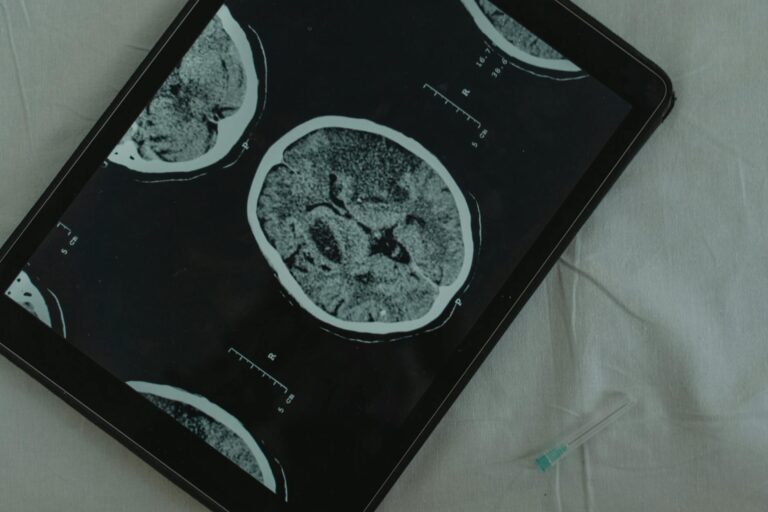
Frontotemporal dementia (FTD) is a serious and progressive brain disorder that affects the frontal and temporal lobes of the brain. These are the areas responsible for our behavior, emotions, language, and decision-making skills. The disease is also known as frontotemporal lobar degeneration (FTLD) or Pick’s disease.
Unlike other forms of dementia, FTD typically affects people at a younger age, usually between the ages of 45 and 65. It is estimated that around 50,000 to 60,000 people in the United States are living with frontotemporal dementia. And unfortunately, there is no cure for this devastating disease.
One of the most striking characteristics of frontotemporal dementia is its rapid progression. This means that the symptoms worsen at a faster pace compared to other forms of dementia, such as Alzheimer’s disease. In fact, some studies have shown that the average life expectancy after diagnosis is only 8 years.
The rapid progression of frontotemporal dementia can be a major challenge for both patients and their caregivers. It can significantly impact a person’s quality of life and relationships. Let’s take a closer look at what causes FTD and how it progresses.
Causes of Frontotemporal Dementia
Frontotemporal dementia is caused by the degeneration or damage to nerve cells in the frontal and temporal lobes of the brain. This damage disrupts the communication between different parts of the brain and leads to a decline in cognitive functions.
There are two main types of frontotemporal dementia: behavioral variant (bvFTD) and primary progressive aphasia (PPA). BvFTD is characterized by changes in behavior, personality, and emotions, while PPA affects language abilities.
The exact cause of FTD is still unknown, but researchers have identified some risk factors. Genetics play a role in some cases, as there are certain gene mutations that can increase the likelihood of developing frontotemporal dementia. Other risk factors include a history of head injuries, high levels of stress, and environmental toxins.
Symptoms and Progression
The symptoms of frontotemporal dementia vary depending on the specific type and area of the brain affected. In bvFTD, early symptoms may include changes in behavior, such as impulsivity, apathy, and social withdrawal. As the disease progresses, patients may also experience language difficulties and difficulty with motor functions.
In PPA, the main symptom is a decline in language abilities. This can manifest as difficulty speaking, understanding speech, or naming objects. Some people with PPA may also have trouble with reading and writing.
The progression of frontotemporal dementia can be divided into three main stages: mild, moderate, and severe. In the mild stage, symptoms are often subtle and may go unnoticed. As the disease progresses to the moderate stage, symptoms become more noticeable and start to interfere with daily activities. In the severe stage, patients require round-the-clock care and may lose the ability to communicate and perform basic tasks.
Managing Rapid Progression
Unfortunately, there is currently no cure for frontotemporal dementia. However, there are some treatments and strategies that can help manage the symptoms and slow down the rapid progression of the disease.
Medications can be prescribed to help manage specific symptoms, such as antidepressants for behavioral changes or speech therapy for language difficulties. It is also important for patients to engage in activities that stimulate their cognitive functions, such as puzzles and memory games.
Caregivers also play a crucial role in managing rapid progression. They must be patient, understanding, and well-informed about the disease. It is also important for caregivers to take care of themselves and seek support from other caregivers or support groups.
Looking Towards the Future
Despite the challenges posed by frontotemporal dementia, there is hope for the future. Researchers are constantly working towards finding a cure and better treatments for FTD. Many clinical trials are currently underway to test new medications and therapies.
In addition, raising awareness and understanding about frontotemporal dementia can help reduce the stigma surrounding the disease and provide support for those living with it. Early diagnosis and intervention can also help manage symptoms and improve the quality of life for patients and their caregivers.
In conclusion, frontotemporal dementia is a complex and devastating disease that affects thousands of people. Its rapid progression can be difficult to manage, but with proper care, support, and research, we can strive towards a better future for those living with FTD.