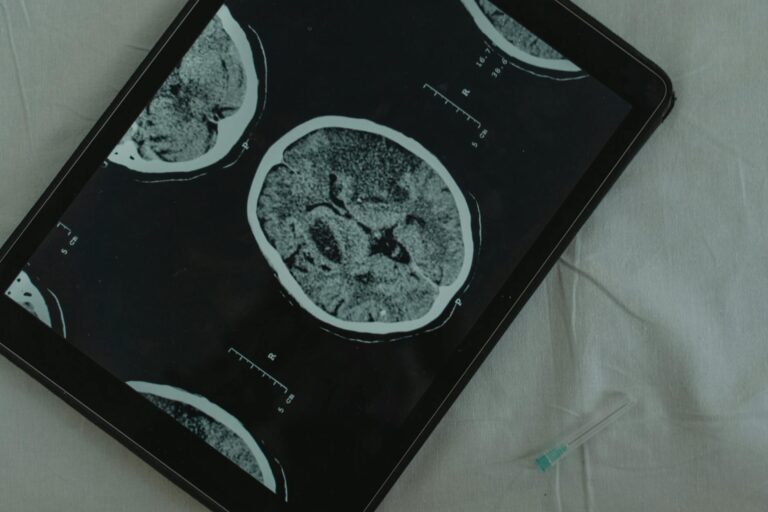
Dementia is a term used to describe a range of symptoms that affect memory, thinking, and social abilities severely enough to interfere with daily life. It is a progressive condition that gradually worsens over time and can ultimately lead to the loss of independence. While there are different types of dementia, including Alzheimer’s disease, vascular dementia, and Lewy body dementia, they all share common signs and symptoms.
Here are four signs that may indicate the presence of dementia:
1. Memory Loss:
Memory loss is one of the most well-known and common signs of dementia. It usually begins with short-term memory loss, where a person may struggle to remember recent events or conversations. As the condition progresses, long-term memory also starts to deteriorate. People with dementia may forget important dates, names of close ones, or even their own address. They might also ask the same question repeatedly, as they cannot retain information for more than a few minutes. This can be frustrating for both the person with dementia and their loved ones.
2. Difficulty with Everyday Tasks:
As dementia affects a person’s cognitive abilities, they may start having difficulty with everyday tasks that were once routine for them. This could be anything from forgetting how to use household appliances to struggling with basic self-care tasks like dressing or grooming. They may also have trouble following instructions or planning and organizing activities. This can cause frustration and confusion for them, leading to a loss of interest in things they used to enjoy.
3. Changes in Mood and Behavior:
Another sign of dementia is changes in mood and behavior. A person with dementia may become easily agitated, irritable, or aggressive for no apparent reason. They may also experience sudden mood swings and seem confused, anxious, or depressed. Their personality may also undergo changes, causing them to become more withdrawn and apathetic. These changes can be challenging for family members and caregivers to deal with, often leading to emotional strain and difficulty in communication.
4. Difficulty with Communication:
As dementia progresses, a person may find it increasingly challenging to communicate effectively. They may struggle to find the right words to express themselves or have trouble understanding what others are saying. They may also repeat themselves or have trouble following conversations, making it challenging to engage in social interactions. This can lead to feelings of isolation and frustration for both the person with dementia and their loved ones.
It is important to note that these four signs of dementia are not exclusive to the condition and can also be caused by other factors such as stress, depression, or medication side effects. However, if you notice these signs in yourself or a loved one, it is crucial to seek medical advice for a proper diagnosis.
Although there is currently no cure for dementia, early detection and management can help improve the quality of life for those living with the condition. Treatment options may include medication to manage symptoms and therapies that can help with memory and cognitive function. It is also essential for caregivers and family members to educate themselves about dementia and its progression to better understand and support their loved ones.
In conclusion, dementia is a complex condition that can have a significant impact on a person’s life and the lives of their loved ones. It is essential to be aware of the signs and symptoms of dementia to seek timely medical intervention. With proper care and support, people with dementia can continue to live fulfilling lives and maintain their independence for as long as possible.