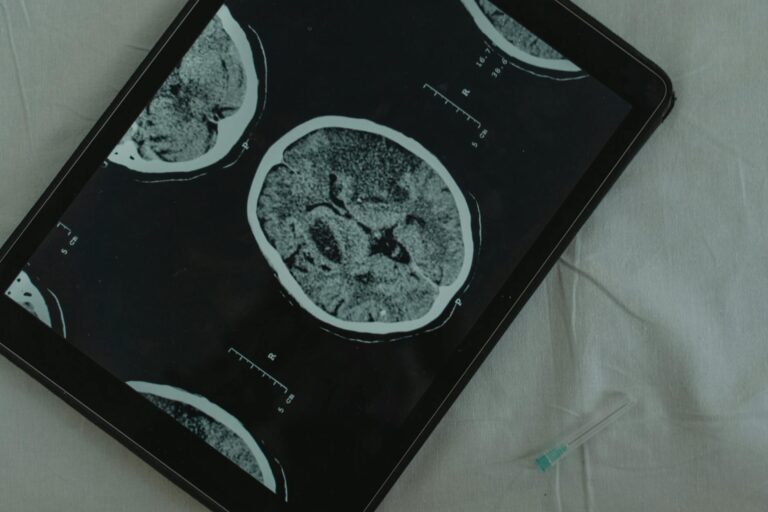
Dementia is a progressive, degenerative brain disorder that affects millions of people worldwide. It is characterized by memory loss, cognitive decline, and changes in behavior and emotions. One of the lesser-known symptoms of dementia is anxiety, which can significantly impact the quality of life for both the person with dementia and their caregivers.
Anxiety is a natural response to stress and uncertainty, but for those with dementia, it can be heightened and more difficult to manage. It can manifest in various ways, such as restlessness, irritability, agitation, and even physical symptoms like rapid heart rate and difficulty breathing. It is crucial to properly address and treat anxiety in individuals with dementia to maintain their overall well-being and improve their quality of life.
Identifying Anxiety in Dementia
The first step in treating anxiety in dementia is to identify the presence and severity of the symptoms. Unfortunately, this can be challenging as people with dementia may not be able to communicate their feelings and emotions effectively. Caregivers must be observant and look out for signs such as increased confusion, aggression, or withdrawal from activities and social interactions.
It is also essential to rule out any underlying medical conditions that may be causing or worsening the anxiety. These could include pain, infections, or medication side effects. A thorough physical examination by a healthcare professional is crucial in determining the root cause of the anxiety.
Non-Pharmacological Approaches
In many cases, non-pharmacological approaches can effectively manage anxiety in individuals with dementia. These methods focus on creating a calm and safe environment, promoting relaxation techniques, and providing positive stimuli.
Creating a calming environment can involve simple adjustments such as reducing noise and clutter, using soft lighting, and playing soothing music. It is also essential to establish a daily routine to provide structure and familiarity for those with dementia.
Relaxation techniques like deep breathing exercises, gentle massage, and aromatherapy have been shown to reduce anxiety in dementia patients. These practices can also be beneficial for caregivers, as they can help relieve stress and promote a sense of calm.
Another non-pharmacological approach is providing positive stimuli, such as engaging in meaningful activities and social interactions. These can help distract from anxious thoughts and provide a sense of purpose and enjoyment for those with dementia.
Pharmacological Treatments
In some cases, non-pharmacological approaches may not be enough to manage anxiety in individuals with dementia. In these cases, medication may be necessary to alleviate symptoms and improve the person’s overall well-being.
Drugs commonly used to treat anxiety in dementia include antidepressants and anti-anxiety medications. Antidepressants can help regulate mood and reduce anxiety, while anti-anxiety medications can provide immediate relief from acute symptoms.
However, it is crucial to note that these medications may have side effects and must be carefully monitored, especially in individuals with dementia who may be more sensitive to these drugs. It is essential to work closely with a healthcare professional to find the right medication and dosage for each individual.
Support for Caregivers
Being a caregiver for someone with dementia can be emotionally and physically taxing. It is vital for caregivers to take care of their own mental health to better support their loved ones. Seeking support from other caregivers or joining support groups can help ease feelings of isolation and provide valuable resources and advice.
It is also essential for caregivers to practice self-care and recognize their own limits. Taking breaks, engaging in activities that bring joy, and seeking professional help if needed, are all crucial steps in managing caregiver stress and preventing burnout.
In Conclusion
Anxiety is a common and often overlooked symptom of dementia that can significantly impact the quality of life for individuals with the disease. Properly identifying and treating anxiety is crucial for maintaining overall well-being and improving the person’s quality of life. Non-pharmacological approaches, such as creating a calming environment, promoting relaxation techniques, and providing positive stimuli, can effectively manage anxiety in many cases. However, medication may be necessary for some individuals, and it is important to work closely with a healthcare professional to find the right treatment plan. Caregivers must also take care of their own mental health to better support their loved ones. With proper management and support, anxiety in dementia can be effectively treated, improving the overall well-being of both the person with dementia and their caregivers.