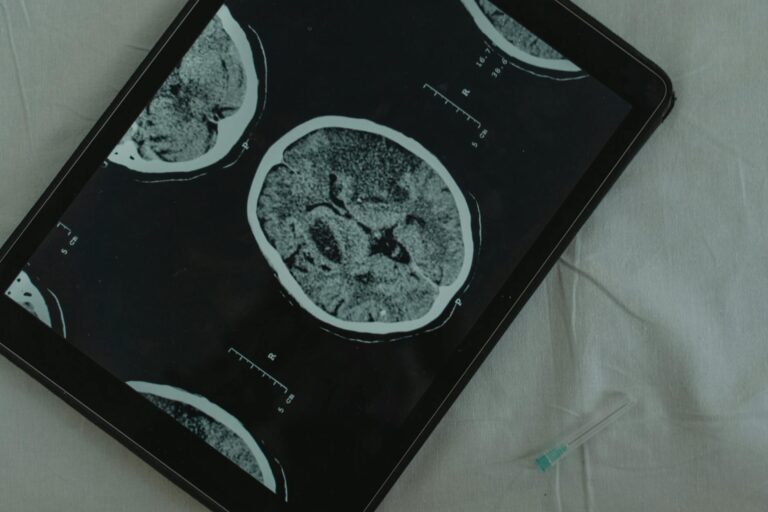
Small brain disease, also known as microcephaly, is a neurological condition that affects the size and development of the brain. It is a rare disorder that is characterized by an abnormally small head and brain size, which can lead to various physical and mental disabilities.
The condition is usually present at birth, but it can also develop during early childhood. It occurs when there is a disruption in the growth of the brain during pregnancy or in the first few years of life. This can be caused by genetic abnormalities, infections, exposure to harmful substances during pregnancy, or other unknown factors.
The exact cause of small brain disease is still unknown, but researchers believe that genetic mutations play a crucial role in its development. These mutations can affect the production of proteins that are essential for brain cell growth and development.
One of the most significant symptoms of small brain disease is a significantly smaller head size than the average size for a person’s age and gender. This is usually noticeable at birth or during early childhood. Other physical characteristics may include a flat face, short stature, and distinct facial features such as a small jaw or a prominent forehead.
In addition to physical symptoms, individuals with small brain disease may also experience developmental delays and intellectual disabilities. They may have difficulty with motor skills, such as walking, grasping objects, and speaking. They may also have delayed speech and language development, learning disabilities, and behavioral issues.
There is currently no cure for small brain disease, and treatment focuses on managing the symptoms and providing support for individuals and their families. Early intervention, such as physical therapy, speech therapy, and educational support, can help improve the child’s development and functioning.
Individuals with small brain disease may also require ongoing medical care to manage any associated health issues. For example, they may be more susceptible to seizures, respiratory infections, and vision or hearing problems.
In recent years, small brain disease has gained increased attention due to its association with the Zika virus. The Zika virus is a mosquito-borne virus that was linked to an increase in cases of microcephaly in Brazil in 2015. While not all children born to mothers infected with the Zika virus develop small brain disease, the risk is significantly higher.
It’s crucial for pregnant women to take precautions to protect themselves from mosquito bites, such as wearing insect repellent and covering up exposed skin. If someone is planning to travel to an area with a known Zika outbreak, they should consult with their doctor beforehand.
Small brain disease is a challenging condition to live with, and it can have a significant impact on the affected individual and their family. It’s essential for those affected to have access to proper medical care, support, and resources to manage their condition.
Furthermore, it’s essential for society to promote acceptance and inclusion for individuals with small brain disease. They may face challenges in their daily lives, but with proper support and understanding, they can lead fulfilling lives and make valuable contributions to their communities.
In conclusion, small brain disease is a rare neurological disorder that affects brain growth and development. While there is no cure, early intervention and ongoing medical care can help manage symptoms and improve quality of life for those affected. By raising awareness and promoting inclusivity, we can create a more understanding and supportive environment for individuals with small brain disease.