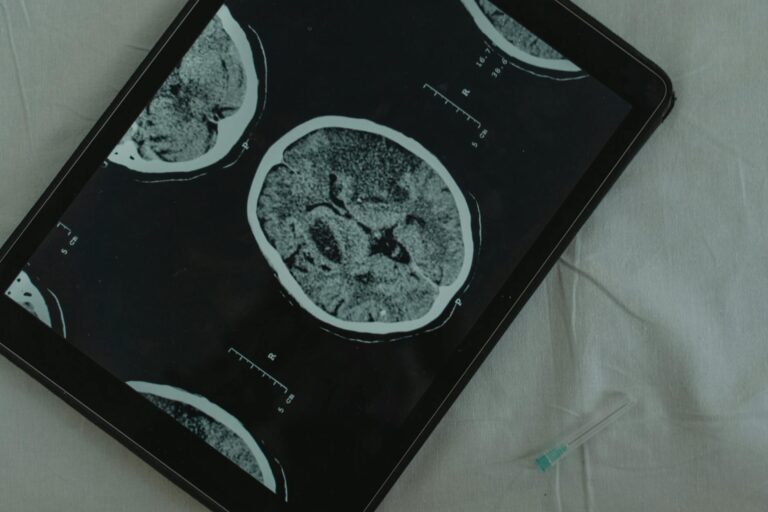
The human brain is a complex and fascinating organ that controls all of our thoughts, actions, and bodily functions. It is made up of billions of neurons, or nerve cells, that communicate with each other through electrical and chemical signals. But in order for these signals to travel throughout the brain, there is a network of small blood vessels that supply it with oxygen and nutrients.
The brain is a highly metabolically active organ and requires a constant supply of oxygen and glucose to function properly. This is where the small blood vessels, also known as microvessels or capillaries, come into play. These tiny vessels are responsible for delivering oxygen and nutrients to every part of the brain.
Unlike larger blood vessels, such as arteries and veins, which have thick walls and can withstand high pressure, small blood vessels in the brain are delicate structures that require special care. They are only one cell thick, making them extremely fragile. Due to their thin walls, they are also highly permeable, allowing substances like oxygen, glucose, and other essential nutrients to pass through them and into the brain tissue.
The small blood vessels in the brain are not randomly distributed, but instead form a highly organized network. They branch out from larger blood vessels and form a dense web-like structure throughout the brain. This network ensures that every part of the brain receives a sufficient supply of blood.
The capillaries are also surrounded by specialized cells called astrocytes, which provide structural support and help regulate the flow of blood to the brain. These cells also play a role in the formation of the blood-brain barrier, a protective barrier that prevents harmful substances from entering the brain.
In addition to supplying the brain with oxygen and nutrients, small blood vessels also play a crucial role in regulating blood flow. They are able to constrict or dilate in response to changes in the body’s needs. For example, during periods of increased brain activity, the blood vessels will dilate to allow more blood to flow and supply the brain with the necessary nutrients.
But what happens when these small blood vessels become damaged or diseased? This can have a significant impact on brain function and lead to various neurological disorders. For example, a blockage or narrowing of these vessels can result in a stroke, where the affected part of the brain is deprived of oxygen and nutrients. On the other hand, conditions like Alzheimer’s disease, Parkinson’s disease, and multiple sclerosis are characterized by damage to the small blood vessels, which can contribute to the development and progression of these disorders.
Therefore, it is essential to maintain the health of these small blood vessels in order to have a healthy brain. Regular exercise, a balanced diet, and avoiding risk factors such as smoking and high blood pressure can help keep them functioning properly. Additionally, certain foods, such as omega-3 fatty acids, have been shown to improve blood vessel health and protect against diseases.
In conclusion, small blood vessels are a crucial component of the brain’s intricate network. They supply the brain with oxygen and nutrients, regulate blood flow, and provide structural support. Keeping them healthy is essential for maintaining proper brain function and preventing neurological disorders. So let us take care of our brain by taking care of its small blood vessels.