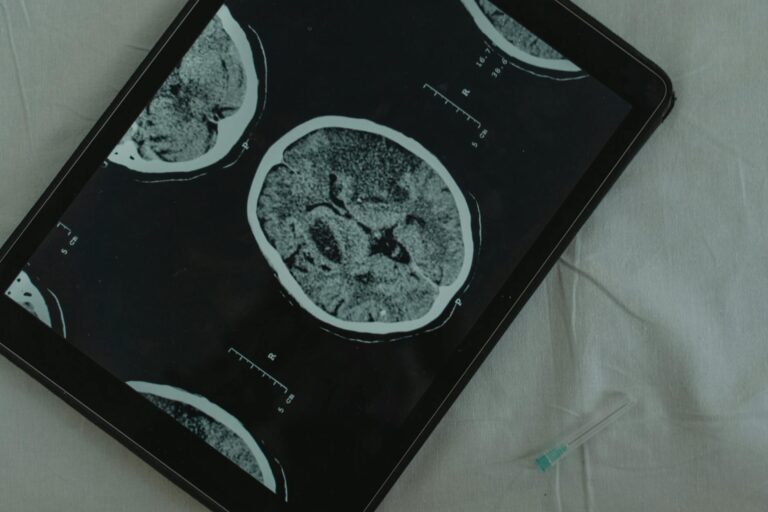
Cognition is defined as the mental process of acquiring knowledge and understanding through thought, experience, and the senses. It includes activities such as memory, attention, perception, language, and decision making. When an individual experiences significant cognitive impairment, it means that their ability to think, reason, and remember is severely impacted. This impairment can have a profound effect on a person’s daily life and can be caused by various factors such as aging, injury, illness, or genetic conditions.
One of the most common causes of significant cognitive impairment is dementia, a term used to describe a decline in cognitive function that affects a person’s ability to carry out daily activities. Alzheimer’s disease is the most common form of dementia, accounting for 60-80% of cases. It is a progressive condition that begins with mild memory loss and eventually leads to severe cognitive impairment.
Other types of dementia include vascular dementia, which is caused by a blockage or reduction of blood flow to the brain, and Lewy body dementia, which is characterized by abnormal protein deposits in the brain. Parkinson’s disease, Huntington’s disease, and Creutzfeldt-Jakob disease are also known to cause significant cognitive impairment.
Aging is another factor that can lead to cognitive impairment. As we age, our brain’s structure and function naturally change, resulting in a decline in cognitive abilities. This process is known as age-related cognitive decline and usually occurs after the age of 65. However, not everyone experiences significant impairment in their cognitive abilities as they age. Factors such as lifestyle habits, genetics, and overall health can affect the severity and rate of age-related cognitive decline.
Injuries to the brain can also cause significant cognitive impairment. Traumatic brain injuries (TBI) can result from accidents such as falls, car crashes, or sports injuries. The severity of the TBI and the area of the brain affected can determine the level of cognitive impairment. For example, a TBI that damages the frontal lobe can lead to problems with memory, attention, and decision making.
Illnesses such as stroke, brain tumors, and infections can also cause significant cognitive impairment. A stroke occurs when there is a disruption of blood flow to the brain, leading to brain damage and potential cognitive impairment. Brain tumors can also cause cognitive impairment if they grow and put pressure on areas of the brain responsible for cognitive functions. Infections such as meningitis or encephalitis can also affect the brain and result in cognitive impairment.
Genetic conditions such as Down syndrome, where individuals are born with an extra copy of chromosome 21, can also lead to significant cognitive impairment. This extra chromosome affects the development of the brain and leads to intellectual disability and delays in motor and language skills.
The symptoms of significant cognitive impairment vary depending on the underlying cause and the individual’s age, but some common signs include memory loss, difficulty concentrating or paying attention, confusion, difficulty with language, and changes in mood or behavior. These symptoms can be challenging for both the individual experiencing them and their loved ones.
Receiving a diagnosis of significant cognitive impairment can be overwhelming and can bring about many questions and concerns. Treatment options depend on the underlying cause of the impairment and can vary from medications to therapy or lifestyle changes. In some cases, early intervention can slow down the progression of cognitive decline.
For individuals experiencing significant cognitive impairment, there are also various strategies and resources available to help them manage their daily lives. Creating a structured routine, using memory aids such as calendars or reminders, and engaging in mentally stimulating activities can all help with managing symptoms and maintaining independence.
It is essential to note that significant cognitive impairment does not define a person. With proper support and care, individuals with cognitive impairment can still live fulfilling lives and maintain their dignity and autonomy.
In conclusion, significant cognitive impairment is a condition that severely impacts an individual’s cognitive abilities, making it challenging to carry out daily tasks. It can be caused by various factors, including aging, injuries, illnesses, and genetic conditions. While there is no cure for cognitive impairment, early diagnosis and proper management can slow down its progression and improve the individual’s quality of life. It is essential to seek medical help if you or a loved one is experiencing symptoms of significant cognitive impairment. With love, support, and proper care, individuals with cognitive impairment can continue to live meaningful lives.