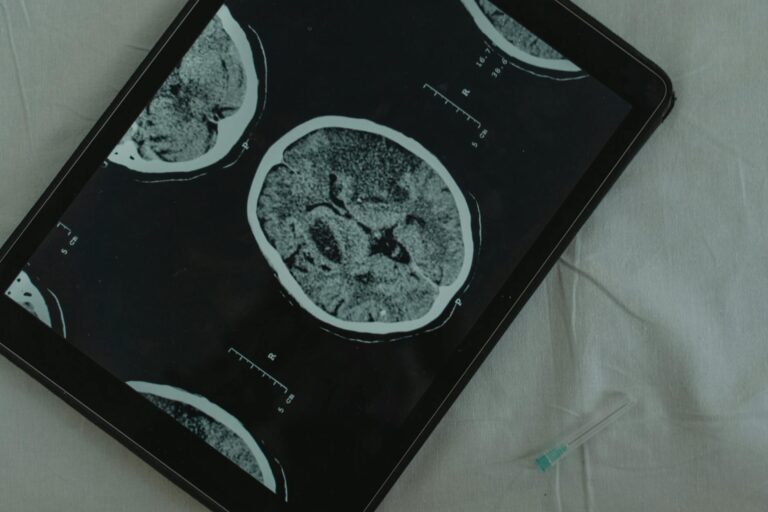
Post-traumatic stress disorder, commonly known as PTSD, is a mental health condition that is triggered by a traumatic event. This can include experiencing or witnessing a life-threatening event, such as war, natural disasters, physical or sexual assault, or serious accidents. While many people may experience some level of distress after a traumatic event, those with PTSD experience persistent and severe symptoms that significantly impact their daily functioning.
One aspect of PTSD that is often overlooked is its impact on executive function. Executive function refers to a set of mental skills that allow individuals to plan, organize, and carry out tasks. It also includes the ability to regulate emotions and make decisions. When someone has PTSD, these executive functions can become impaired, making it difficult to manage daily tasks and navigate through life.
Let’s dive deeper into the connection between PTSD and executive function and how it can affect an individual’s life.
How PTSD Can Affect Executive Function
PTSD can affect executive function in various ways. One of the main symptoms of PTSD is hyperarousal, which is the constant feeling of being on edge or alert. This can make it challenging for individuals to concentrate and focus on tasks, leading to difficulties with planning and organization. They may also have trouble starting or completing tasks, as well as prioritizing them.
Another symptom of PTSD is avoidance behavior. This involves avoiding people, places, or things that remind the individual of the traumatic event. As a result, they may have difficulty with decision-making and problem-solving. This is because they may avoid situations that require them to make choices or confront their emotions.
Furthermore, individuals with PTSD may struggle with emotional regulation. Executive function plays a crucial role in regulating emotions, but when it is impaired, it can lead to difficulties in managing intense emotions. This can manifest in outbursts of anger or irritability, which can negatively impact relationships and daily functioning.
The Impact of Executive Function on Daily Life
The impaired executive function caused by PTSD can have a significant impact on an individual’s daily life. It can affect their ability to hold a job, maintain relationships, and even take care of themselves. For example, someone with PTSD may have difficulty following through with work tasks, leading to issues with employment. They may also struggle with managing finances, paying bills, and staying organized, which can have a domino effect on their overall well-being.
Relationships can also suffer due to the effects of PTSD on executive function. Difficulties with emotional regulation can lead to strained relationships, while avoidance behavior can make it challenging to maintain connections with loved ones. This can create feelings of isolation and loneliness, further contributing to the individual’s struggles.
Managing PTSD and Improving Executive Function
Fortunately, there are ways to manage PTSD and improve executive function. Seeking professional help through therapy and medication can be beneficial in treating PTSD symptoms. Therapies such as cognitive-behavioral therapy (CBT) have been proven effective in helping individuals cope with their traumatic experiences and develop healthier coping mechanisms.
In addition to seeking professional help, individuals can also make lifestyle changes to improve their executive function. This can include practicing stress-reducing techniques like mindfulness and relaxation exercises. Engaging in regular physical activity and eating a balanced diet can also improve brain function and reduce symptoms of PTSD.
Furthermore, using tools such as planners and calendars can assist in organizing tasks and improving time management skills. Breaking down tasks into smaller, more manageable steps can also make them less overwhelming for individuals with PTSD.
Final Thoughts
PTSD and executive function are closely linked, and understanding this connection is crucial in managing the disorder. The symptoms of PTSD can significantly impact an individual’s executive function, making it difficult to carry out daily tasks and maintain relationships. However, with proper treatment and lifestyle changes, individuals can learn to manage their symptoms and improve their quality of life. If you or someone you know is struggling with PTSD, do not hesitate to seek help from a mental health professional. Recovery is possible, and there is no shame in seeking support.