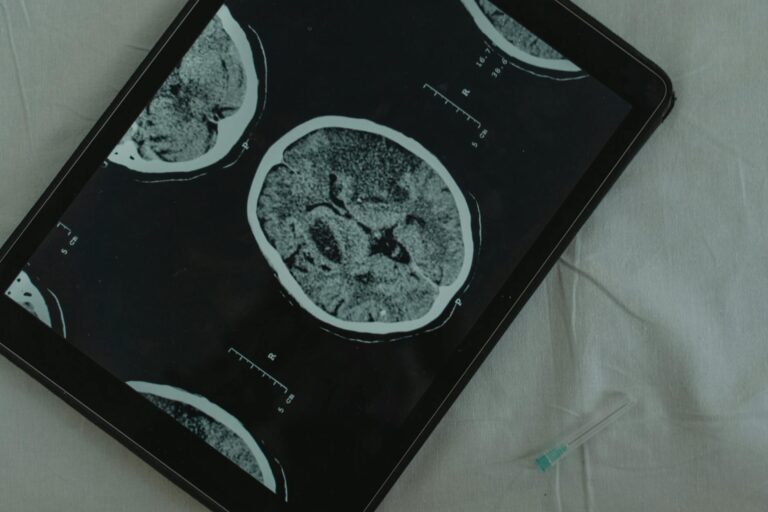
Postoperative cognitive dysfunction (POCD) is a condition that affects a patient’s cognitive function after undergoing surgery. It is a common complication that can occur after any type of surgery, regardless of age or medical history. POCD is characterized by a decline in cognitive abilities such as memory, concentration, and decision-making skills. While the exact cause of POCD is not fully understood, it is believed to be a result of various factors including anesthesia, inflammation, and other physiological changes that occur during surgery.
Symptoms of POCD may vary from person to person, but generally, they are temporary and can last for days, weeks, or even months after surgery. Some patients may experience mild symptoms, while others may face more severe complications. The most common symptoms of POCD include:
1. Memory Problems
One of the most prominent symptoms of POCD is memory problems. Patients may have difficulty remembering recent events, conversations, or even basic information. They may struggle to recall simple instructions and may need reminders to complete tasks. This can be frustrating and affect daily life activities.
2. Difficulty Concentrating
Another common symptom of POCD is difficulty concentrating. Patients may feel easily distracted and struggle to focus on tasks for an extended period. They may find it challenging to follow conversations or remember important details.
3. Decreased Cognitive Abilities
POCD can also affect a patient’s overall cognitive abilities. They may struggle with decision-making skills and problem-solving abilities. It can also cause a decline in language skills, making it difficult to express thoughts and ideas.
4. Confusion and Disorientation
Patients with POCD may also experience confusion and disorientation. They may feel disoriented when waking up from anesthesia or have trouble recognizing familiar places or people. This can be alarming for both the patient and their loved ones.
5. Mood Changes
POCD can also cause mood changes in patients. They may feel more irritable, anxious, or depressed than usual. These mood changes can impact their recovery and make it challenging to cope with the post-surgery period.
It is essential to note that the symptoms of POCD may overlap with other post-surgery complications or underlying conditions, making it difficult to diagnose accurately. That is why it is crucial to seek medical attention if you experience any of these symptoms after surgery.
Factors that Increase the Risk of POCD
While anyone can develop POCD after surgery, there are certain risk factors that may increase the chances of developing this condition. These include:
1. Age
As we age, our cognitive abilities start to decline, making older adults more susceptible to POCD. Studies have shown that patients over 65 years of age are at a higher risk of developing this condition.
2. Type of Surgery
Certain types of surgery, such as cardiac and major orthopedic procedures, are associated with a higher risk of POCD. This is because these surgeries involve a more invasive and prolonged procedure, which can cause more physiological changes in the body.
3. Pre-existing Medical Conditions
Patients with pre-existing medical conditions such as diabetes or heart disease may be at a higher risk of developing POCD due to the added strain on their bodies during surgery.
4. Length of Surgery
The duration of surgery plays a significant role in the development of POCD. Longer surgeries mean more anesthesia and increased physiological changes, both of which are known risk factors for POCD.
5. Anesthesia
Anesthesia is used to ensure patients remain unconscious and pain-free during surgery. However, studies have shown that certain types of anesthesia, especially those that are more potent and long-acting, can increase the risk of POCD.
Treatment and Prevention
Fortunately, most cases of POCD are temporary and resolve within weeks or months after surgery. However, for some patients, symptoms may persist for a more extended period, affecting their daily life activities. In such cases, doctors may recommend cognitive therapy, medication, or both to help manage the symptoms.
To prevent POCD, doctors may use a combination of strategies before, during, and after surgery. These include:
1. Properly Managing Pre-existing Conditions
Patients with pre-existing medical conditions should have their condition under control before undergoing surgery. This can help minimize the impact of surgery on their cognitive function.
2. Educating Patients
Doctors may educate patients about the potential risks of POCD and the symptoms to look out for after surgery. This can help patients be more aware and seek treatment if necessary.
3. Choosing the Appropriate Anesthesia
Using less potent and short-acting anesthesia can reduce the risk of POCD. It is essential for doctors to carefully consider the type and amount of anesthesia used for each patient based on their medical history and type of surgery.
4. Maintaining Proper Hydration
Proper hydration is crucial for maintaining good blood flow and preventing inflammation, which can contribute to POCD. Patients should drink enough water before and after surgery to stay adequately hydrated.
Final Thoughts
POCD is a common complication that can occur after surgery, but it is often temporary and resolves within a few weeks or months. However, it is essential to be aware of the symptoms and seek medical attention if they persist or significantly impact daily life activities. By understanding the risk factors and taking preventive measures, we can effectively manage POCD and ensure a smooth recovery from surgery.