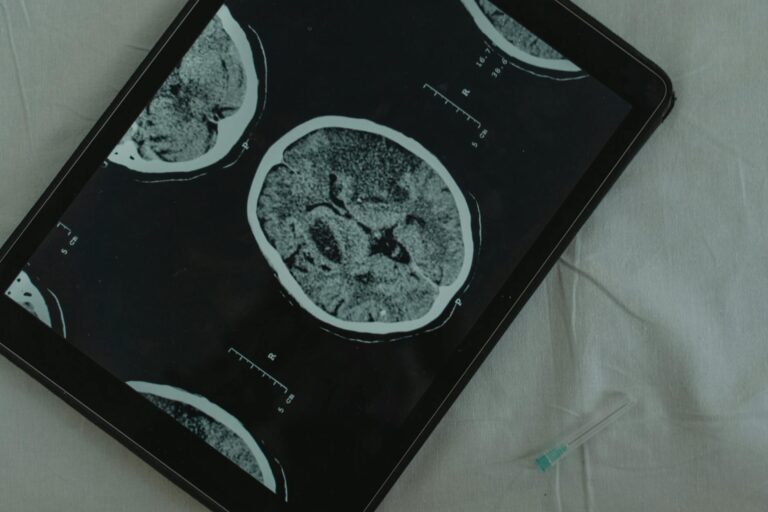
Dementia is a broad term used to describe a decline in cognitive abilities, such as memory, thinking, and reasoning, that interfere with a person’s daily life. There are many different types of dementia, each with their own unique set of symptoms and underlying causes. One type of dementia that is not as widely known is parietal lobe dementia.
Parietal lobe dementia, also known as frontotemporal dementia, is a neurodegenerative disorder that affects the parietal lobe of the brain. This area of the brain is responsible for a variety of functions, including perception, spatial awareness, language processing, and the integration of sensory information. When this area of the brain is damaged and begins to degenerate, it can lead to significant changes in a person’s behavior, personality, and ability to perform daily tasks.
Symptoms:
The symptoms of parietal lobe dementia can vary from person to person, depending on which part of the parietal lobe is affected. However, there are some common symptoms that most people with this type of dementia experience. These include:
1. Changes in behavior and personality: People with parietal lobe dementia may exhibit changes in their behavior and personality. They may become more impulsive, disinhibited, and lack empathy. They may also show signs of apathy and have difficulty controlling their emotions.
2. Difficulty with language: As the parietal lobe is responsible for language processing, people with this type of dementia may have trouble understanding and using language. They may struggle to find the right words or have difficulty following conversations.
3. Spatial disorientation: The parietal lobe also plays a crucial role in our sense of space and spatial awareness. People with parietal lobe dementia may have difficulty navigating familiar places and may get lost easily.
4. Changes in motor skills: The parietal lobe is involved in coordinating movements and sensations. As this area degenerates, a person may experience changes in their motor skills, such as tremors, difficulty with fine motor movements, and muscle weakness.
5. Difficulty with daily tasks: Due to the decline in cognitive abilities, people with parietal lobe dementia may have trouble completing daily tasks that were once routine for them. This can include difficulties with grooming, cooking, and managing finances.
Causes:
The exact cause of parietal lobe dementia is not fully understood, but it is believed to be a result of a combination of genetic and environmental factors. Scientists have identified specific genetic mutations that can increase a person’s risk of developing this type of dementia. However, it is not necessary for a person to have these mutations to develop the disease.
Diagnosis:
Diagnosing parietal lobe dementia can be challenging, as the symptoms can overlap with other types of dementia. A thorough medical evaluation, including blood tests and brain imaging, can help rule out other conditions and confirm the presence of parietal lobe dementia. Doctors may also conduct cognitive assessments and observe changes in behavior and personality to make a diagnosis.
Treatment:
There is currently no cure for parietal lobe dementia. Treatment mainly focuses on managing the symptoms and improving quality of life. Medications may be prescribed to help with behavioral changes and mood disorders. Occupational therapy and speech therapy can also be beneficial in helping individuals maintain their independence and improve communication skills.
Caring for Someone with Parietal Lobe Dementia:
Caring for someone with parietal lobe dementia can be challenging and emotionally taxing. The changes in behavior and personality can be difficult to navigate for both the person with dementia and their caregivers. It is essential to seek support from healthcare professionals, support groups, and respite care services to help manage the physical and emotional demands of caregiving.
In conclusion, parietal lobe dementia is a type of dementia that affects the parietal lobe of the brain, leading to changes in behavior, language, and motor skills. While there is no cure for this disease, early diagnosis and proper management can help improve the quality of life for those affected. If you or a loved one are experiencing symptoms of parietal lobe dementia, it is important to seek medical attention to receive a proper diagnosis and a personalized treatment plan. Remember, you are not alone in this journey, and there is support available to help you navigate through it.