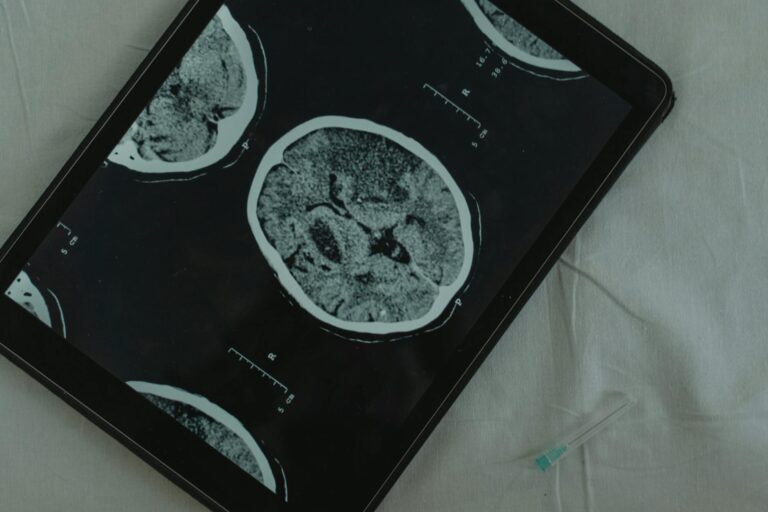
Sailors’ navigation skills offer fascinating insights into brain health because navigating a vessel requires complex mental processes that engage multiple cognitive functions simultaneously. When sailors plot courses, read maps and charts, interpret environmental cues like wind and currents, and make rapid decisions, they exercise spatial awareness, memory, attention, problem-solving abilities, and emotional regulation. These mental demands provide a unique window into how well the brain is functioning.
Navigation at sea is not just about following a compass or GPS; it involves integrating sensory information from the environment with learned knowledge of geography and weather patterns. This integration activates various brain regions responsible for spatial cognition—such as the hippocampus—and executive functions in the prefrontal cortex that manage planning and decision-making. The ability to mentally visualize routes across open water also taps into working memory and visualization skills.
Because these cognitive tasks are so multifaceted, changes in navigation performance can reveal early signs of neurological decline or impairment. For example, difficulties in maintaining orientation or recalling landmarks might indicate problems with memory circuits often affected by aging or conditions like Alzheimer’s disease. Similarly, slower reaction times when adjusting course could reflect diminished processing speed linked to other brain disorders.
Moreover, learning to sail itself has been shown to promote brain health by building cognitive resilience. The continuous challenge of mastering new sailing techniques encourages neuroplasticity—the brain’s ability to form new neural connections—which helps maintain mental sharpness over time. Sailing also fosters mindfulness through focused attention on present-moment conditions such as wind shifts or wave patterns; this mindful engagement reduces stress hormones harmful to the brain while enhancing emotional regulation networks.
The social aspects of sailing further support psychological well-being by encouraging teamwork and communication skills that stimulate areas involved in empathy and social cognition. Together with physical activity inherent in handling sails and steering vessels—both beneficial for cardiovascular health—these factors combine into an enriching experience that supports overall cognitive function.
In practical terms for researchers or clinicians interested in assessing brain health through navigation abilities:
– Tasks simulating maritime navigation can serve as sensitive tests for spatial memory deficits.
– Monitoring how individuals adapt their routes under changing conditions may reveal executive function capacity.
– Observing error rates when interpreting navigational instruments could highlight attentional lapses.
– Evaluating stress responses during challenging sailing scenarios provides clues about emotional regulation efficiency.
Thus sailors’ navigation skills act as a natural “brain workout” involving diverse neural systems critical for everyday functioning beyond just boating contexts.
In essence, studying how people navigate at sea uncovers valuable clues about their underlying cognitive status while demonstrating how engaging activities like sailing contribute positively to maintaining healthy brains throughout life stages—from youth learning curves all the way through aging populations seeking ways to preserve mental agility naturally without medication reliance.
This connection between traditional seafaring practices and modern neuroscience underscores an exciting interdisciplinary frontier where ancient human skills illuminate contemporary understandings of mind-body wellness—a reminder that sometimes looking out across open waters reveals more than just distant horizons but reflections on our own inner landscapes too.