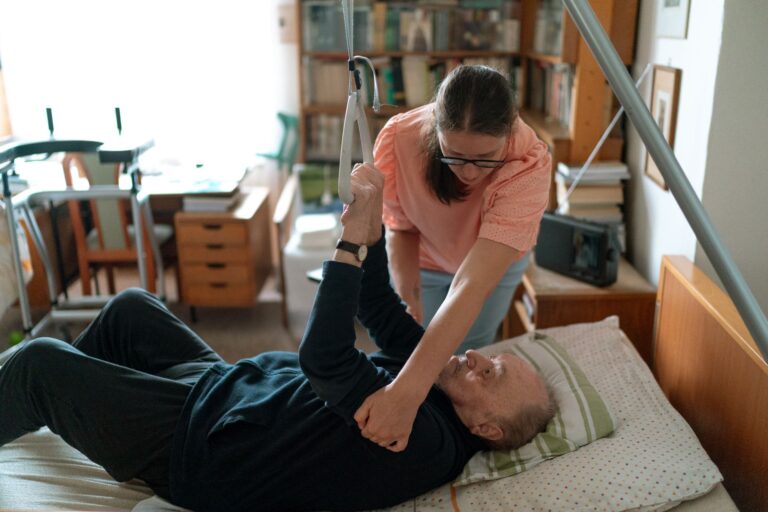
Someone forgets sits at the center of this dementia and brain health question.
When someone forgets the names of everyday objects, it can be confusing and frustrating for both them and those around them. This kind of forgetfulness is often a normal part of life, especially as people age or experience stress, but there are many practical steps to take that can help manage the situation effectively.
First, it’s important to recognize that forgetting names of objects occasionally happens to everyone. It might occur because the brain is distracted, tired, or overloaded with information. Stress and poor sleep also contribute significantly to these memory lapses. Sometimes medications or hormonal changes play a role too. So understanding that this is common helps reduce anxiety about the problem.
If you notice someone struggling with naming things like “pen,” “remote,” or “keys,” try these approaches:
– **Use descriptive language:** Instead of focusing on recalling the exact word immediately, encourage describing what the object looks like or what it does. For example: “It’s something you use to write,” instead of stressing over “pen.” This reduces pressure and often triggers memory recall naturally.
– **Provide gentle prompts:** Offer clues related to category (e.g., kitchen tools) or function (“You use this when cooking”). Sometimes hearing related words helps jog their memory without making them feel embarrassed.
– **Encourage pointing or showing:** If they can’t say the name but know which object they mean, having them point at it allows communication without frustration while reinforcing recognition.
– **Stay patient and calm:** Avoid correcting sharply if they say a wrong word; instead respond warmly and supportively so they feel safe trying again without fear of judgment.
For ongoing difficulties where forgetting names becomes frequent:
– **Keep familiar routines:** Regularly using objects in consistent ways strengthens mental connections between items and their names through repetition.
– **Label items visibly:** Putting simple labels on drawers, cupboards, containers—even on phones or remotes—can serve as helpful visual reminders for everyday vocabulary reinforcement.
– **Use memory aids:** Technology offers tools such as electronic tags attached to commonly misplaced items like keys which beep when activated by a remote device; reminder devices can also prompt actions at certain times (like taking shopping bags). These reduce stress from forgetfulness by providing external cues.
If forgetfulness worsens noticeably—such as regularly not recognizing common household objects—or starts affecting daily functioning significantly:
– Seek medical advice promptly because sometimes underlying health issues like vitamin deficiencies, medication side effects, infections, depression/anxiety disorders may cause more serious cognitive problems needing treatment.
In addition:
– Encourage healthy lifestyle habits including regular physical exercise which improves blood flow to the brain.
– Promote good sleep hygiene since rest deeply impacts short-term memory performance.
– Reduce multitasking during important activities so attention isn’t divided excessively.
Sometimes cognitive behavioral techniques help manage anxiety about forgetting words by reframing negative thoughts into less stressful perspectives—for example reminding oneself that everyone experiences occasional lapses rather than fearing permanent decline.
At home or work environments where name-forgetting occurs frequently:
1. Create an atmosphere where asking for help naming something is welcomed rather than stigmatized.
2. Use humor lightly if appropriate—it can ease tension around awkward moments.
3. Practice naming games together regularly; turning learning into fun reinforces vocabulary retention naturally over time without pressure.
4. Keep communication clear: repeat key words gently after hearing descriptions so new associations strengthen neural pathways involved in recall.
Overall managing forgotten object names involves combining kindness toward oneself/the other person with practical strategies such as descriptive prompting and external aids while monitoring changes carefully enough to seek professional input if needed before problems escalate further into more serious cognitive impairment territory.
This approach balances empathy with actionable steps designed specifically for everyday situations involving temporary word-finding difficulties related mostly to normal aging processes or mild stressors rather than severe neurological conditions right away — helping maintain confidence alongside improving functional independence gradually day by day through small achievable adjustments in environment and mindset alike.
For more, see CDC — Alzheimer’s and Dementia.