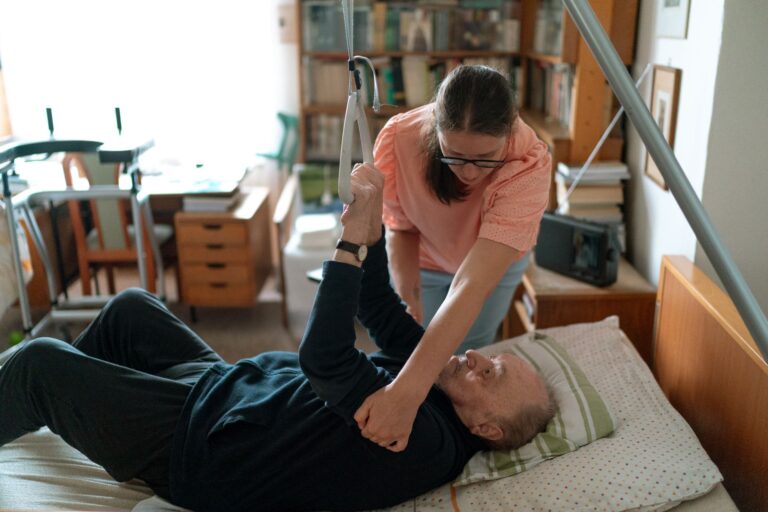
Dementia resist sits at the center of this dementia and brain health question.
People with dementia often resist changing clothes due to a combination of cognitive, emotional, and sensory challenges caused by their condition. This resistance is not simply stubbornness but stems from how dementia affects memory, perception, routine understanding, and comfort with change.
Dementia impairs the brain’s ability to process information and remember sequences of actions. For someone living with dementia, the act of changing clothes can become confusing or overwhelming because they may forget why it’s necessary or what comes next in the process. They might not recognize their own clothing or understand that dirty clothes need replacing. This confusion can lead to anxiety or fear about undressing and putting on something unfamiliar.
Emotional factors play a significant role as well. People with dementia often cling to familiar routines and objects because these provide a sense of security in an uncertain world. Changing clothes disrupts this familiarity—especially if they have worn the same outfit for some time—and can feel like losing control over their environment. They may also associate undressing with vulnerability or exposure, which increases discomfort.
Sensory sensitivities are common in dementia too; certain fabrics might feel irritating against sensitive skin without them being able to articulate it clearly. The physical act of removing clothing can be uncomfortable if joints are stiff or muscles weak due to age-related conditions alongside dementia.
Additionally, people with dementia sometimes develop fears related to personal care tasks like dressing because these activities remind them they are dependent on others for help—a loss that can trigger frustration or resistance as a form of self-protection.
Practical issues contribute as well: poor lighting in dressing areas makes it harder for them to see what they’re doing; cold rooms make undressing unpleasant; complicated fastenings like buttons instead of Velcro create unnecessary difficulty; unfamiliar new clothes may be rejected simply because they don’t look “right” from memory perspective.
Caregivers find success when approaching clothing changes gently by maintaining consistent routines similar to those before onset of symptoms—such as changing at bedtime—and using strategies like:
– Offering multiple identical outfits so choice feels safe
– Removing dirty clothes discreetly during bathing times
– Creating warm comfortable environments for dressing
– Using simple garments designed for ease (elastic waistbands, Velcro closures)
– Encouraging rather than forcing change by framing it positively (“I’d love you wearing this today”)
Understanding that resistance is rooted in cognitive decline rather than willful defiance helps caregivers respond patiently without escalating distress. It’s important not to rush but allow extra time while providing reassurance throughout the process so dignity remains intact despite challenges posed by dementia’s effects on perception and behavior around changing clothes.
For more, see National Institute on Aging.