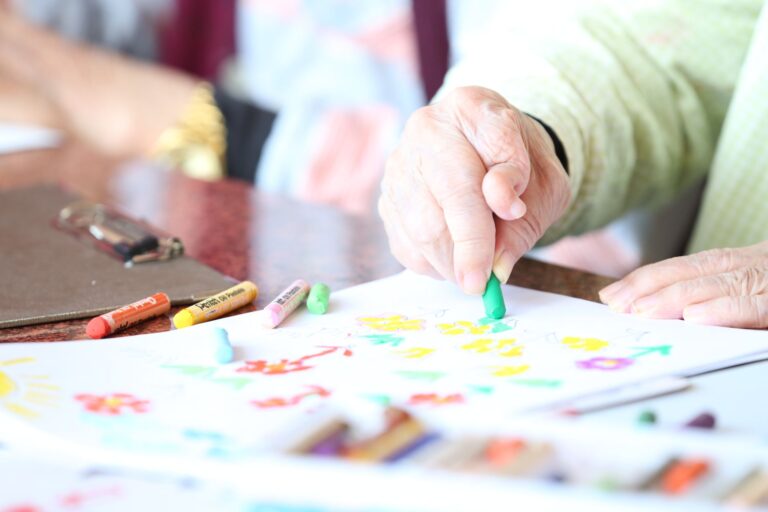
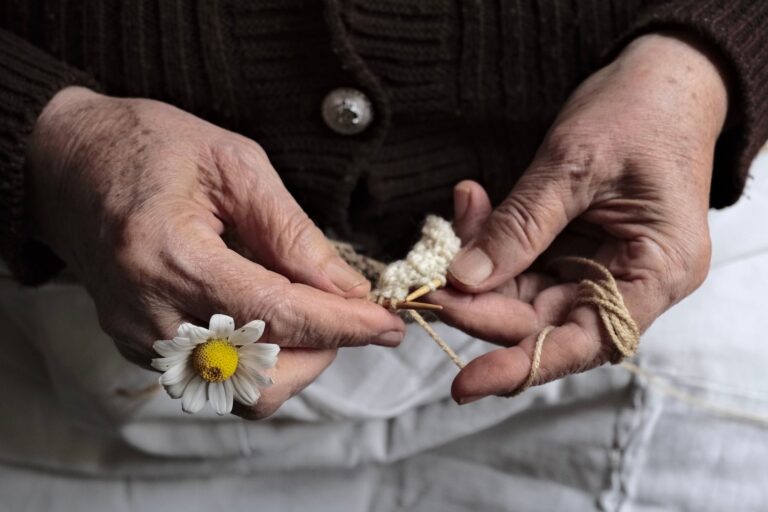
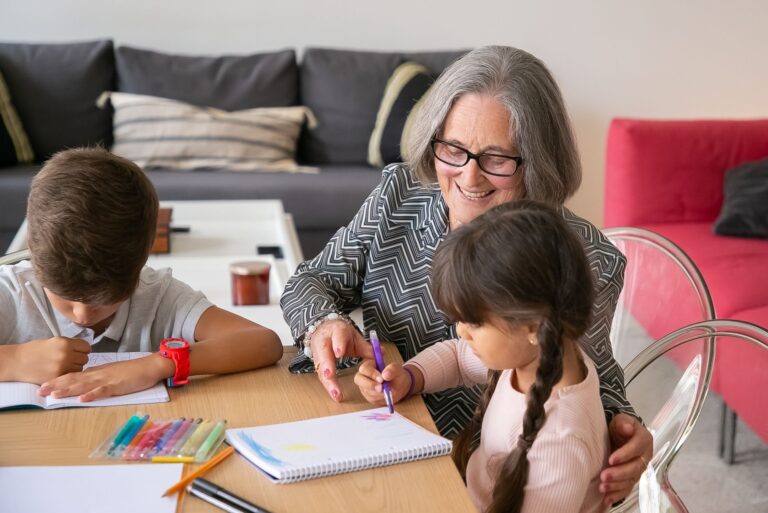
The best activities are short, simple, and matched to current ability and past interests. They prize engagement over completion, from simplified household tasks to sensory play, music, and gentle movement.
Dementia means ongoing loss of memory, thinking, and daily function. Short attention makes long or complex tasks hard. Brief choice-matched activities reduce strain and support connection.
Medical information disclaimer: This article is for general educational purposes only and does not provide medical advice, diagnosis, or treatment. Always consult a physician or other qualified health professional about symptoms, medications, tests, or treatment decisions.
Table of Contents
- How should you set up the time together?
- What works when words no longer hold attention?
- How can music and familiar things lift mood?
- Should you add movement and daily cues?
How should you set up the time together?
Work one-to-one in a calm spot with few distractions. Hong Kong's Elderly Health Service recommends individual training for poor attention and late-stage dementia rather than small or large groups, according to guidance from Hong Kong's Elderly Health Service. One person can watch for fatigue and adjust pace at once.
Keep the session brief and focus on what the person can still do. Offer one clear step at a time, then allow extra time to respond. Miami Jewish Health advises matching activities to current abilities and past interests with emphasis on engagement rather than completion, in activity ideas from Miami Jewish Health.
- Pick a familiar task and simplify it, such as folding towels, sorting large buttons, or watering a plant
- Stop or switch when focus fades, restlessness starts, or frustration rises
- Try again later rather than pushing to finish
What works when words no longer hold attention?
Shift from tasks to the senses: sight, hearing, touch, taste, and smell. Late-stage activities often need this simpler sensory focus. The UK National Health Service lists music, objects to touch, hand massage, scented plants, textured pads, and water features, in activities guidance from the UK National Health Service. Offer one item at a time and watch the hands, eyes, and face.
A soft cloth, smooth stone, warm hand lotion, or scented herb can invite touch and smell. Gentle music, birdsong, or running water can hold attention without demands. Let the person lead the pace and duration. Brief contact with a pleasant texture or scent counts as success. Remove the object if it causes distress.
How can music and familiar things lift mood?
Singing can improve mood and wellbeing for people with dementia. Familiar songs often reach people after new information no longer sticks. Short sing-alongs, humming, clapping, or listening together can create shared pleasure. Reminiscence also draws on long-term memory.
Use old photos, familiar objects, video clips, nostalgic snacks, or short music clips. Hong Kong's Elderly Health Service links this approach to better mood, language use, social contact, self-esteem, and fewer behavior problems. Keep prompts simple and open. Ask what a photo shows, what a song recalls, or what a food tastes like. Accept any response and follow enjoyment, not accuracy.
Should you add movement and daily cues?
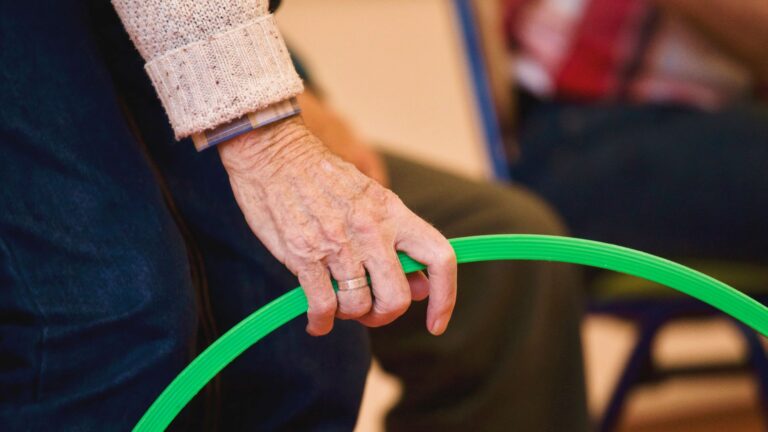
Yes, when movement is safe and gentle. Dance in a chair, short walks, tai chi, yoga, swimming, or a walking group can support body and mind. Match effort to balance, strength, and medical advice, and stay close for support. Add reality-orientation cues through the day.
Large clocks, calendars, newspapers, and everyday objects can reduce confusion. Point to the date, name the season, or handle a familiar kitchen tool together. These supports help delay decline and improve daily life and caregiver bonds, but they do not cure dementia. End on a good note while energy remains.