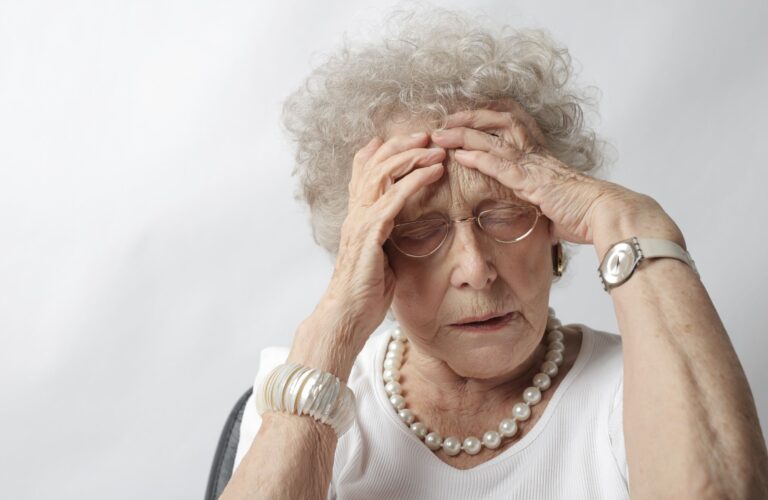
Yes, Alzheimer's can cause hallucinations, usually in the later stages. Hallucinations are false sights, sounds or sensations that feel real but have no outside source. The Alzheimer's Association attributes these false perceptions to brain changes from the disease. They do not affect every person, and timing and frequency vary.
Medical information disclaimer: This article is for general educational purposes only and does not provide medical advice, diagnosis, or treatment. Always consult a physician or other qualified health professional about symptoms, medications, tests, or treatment decisions.
Table of Contents
- How common are they in late stages?
- What do Alzheimer's hallucinations involve?
- Could something else be causing them?
- How should caregivers respond?
How common are they in late stages?
A 2017 review by El Haj and colleagues found hallucinations in 4% to 76% of Alzheimer's cases across studies, with a median of 23%, according to the review of hallucination studies. Most were visual or auditory. Visual hallucinations tended to occur at advanced stages.
The Penn Memory Center reports that up to 50% of patients with late-stage Alzheimer's or related dementias experience hallucinations, according to its overview of hallucinations in dementia. Type and frequency vary by diagnosis. A person may have brief episodes or repeated events.
What do Alzheimer's hallucinations involve?
Most often, the person sees something that is not there or hears voices or sounds. These experiences can cause fear, confusion or agitation. They may also trigger false beliefs about the setting or other people.
Presentation varies. Besides visual and auditory experiences, patients report bodily, smell and touch forms. A person might feel crawling on the skin, smell smoke with no source, or sense movement in the body.
Could something else be causing them?
Not every hallucination means Alzheimer's progression. The Alzheimer's Association notes other causes include schizophrenia, kidney or bladder infections, dehydration, pain, alcohol or drug use, vision or hearing problems, and medications, described in its guidance for caregivers on hallucinations. A new or sudden change needs prompt medical review.
Diagnosis also matters. Hallucinations are less specific to Alzheimer's than to Lewy body dementia, where they often appear earlier with retained insight. In vascular dementia, the location of brain damage influences the type of hallucination.
How should caregivers respond?
Seek medical evaluation first to rule out infection, dehydration, sensory loss or drug effects. Use non-drug approaches first.
Reserve medication for severe symptoms, under a clinician's direction. Stay calm and do not argue about what the person perceives. Safety, reassurance and redirection work better than correction.
- Ensure safety: remove hazards and stay nearby until distress passes.
- Offer reassurance in short, calm words and gentle touch if welcome.
- Redirect attention to a familiar activity, music or another room.
- Improve lighting and reduce shadows, noise and clutter.