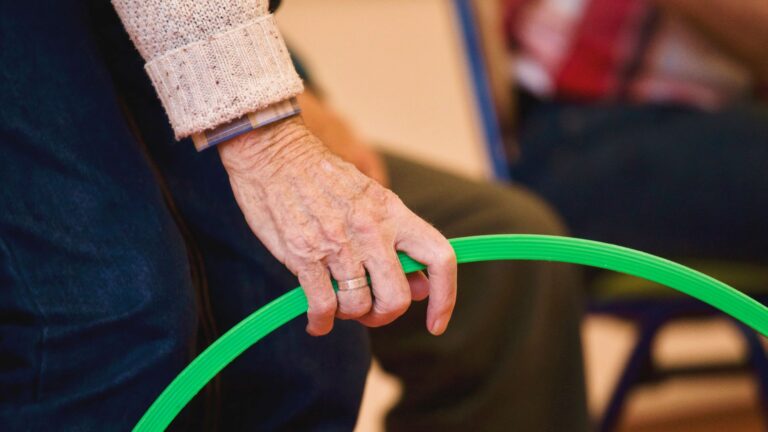
The best activities are short, hands-on shared tasks like singing old songs, looking at photos, coloring, doing a simple puzzle, watering plants, or taking a brief walk. They give a child with ADHD, a condition marked by inattention, hyperactivity, and impulsivity, clear movement and choices while keeping demands low for a relative with dementia, a progressive decline in memory and thinking. Pick one activity per visit and keep it familiar and failure-free. Short and active beats long and still.
Medical information disclaimer: This article is for general educational purposes only and does not provide medical advice, diagnosis, or treatment. Always consult a physician or other qualified health professional about symptoms, medications, tests, or treatment decisions.
Table of Contents
- What makes an activity fit both needs?
- Which activities work best?
- How should you plan the visit?
- What helps when focus or mood shifts?
What makes an activity fit both needs?
A good visit task is concrete, brief, and easy to join or leave. The CDC says classroom supports for children with ADHD include clear tasks, positive feedback, fewer distractions, and breaks or time to move around, which points toward short, active, choice-based visit tasks.
For dementia, the National Institute on Aging advises building on existing skills rather than teaching something new and keeping the activity at the person's level guidance on adapting activities. That means familiar songs, familiar photos, and simple steps with no test of memory.
Which activities work best?
Start with music, photos, and simple making or moving. Alzheimer's Foundation of America dementia specialist Erianne Stewart names music as her top choice at all memory-loss levels because it loosens the person and can unlock memories, with planting, watering plants, and simple baking favored in early stages play-time activities guidance.
The Alzheimer's Association's kids-and-teens list recommends baking cookies, walking in the neighborhood, doing a puzzle, weeding or planting flowers, coloring or photos, making a scrapbook or memory box, reading, picnicking, watching a favorite show, and singing old songs tips for talking to kids about Alzheimer's. The National Institute on Aging also advises visitors to do simple shared activities such as reading stories aloud and looking through a photo album with children activities to do with a family member or friend. Good pairings for ADHD and dementia include:.
- Sing two familiar songs, then march, clap, or sway between verses
- Sort large-print photos and ask the child to pick three to talk about
- Color one page together or add one item to a memory box
- Water plants, wipe a table, fold towels, or do six puzzle pieces
- Take a short hallway or garden walk with a clear endpoint
How should you plan the visit?
Let the child help choose one activity before you arrive. AgeRight, summarizing Alzheimer's Association family guidance, advises having children help plan one activity per visit, setting expectations and a time limit in advance, and noting even 15 minutes together can be a good visit help for kids coping with dementia. State the plan in plain steps: say hello, do the activity, take a movement break, say goodbye.
Bring only the supplies for that task and put phones away to cut distraction. If you visit a care facility, call ahead about the daily schedule. The American Academy of Pediatrics advises families visiting a residential facility to time visits to a scheduled activity such as game time, music, or cookie decorating and to ask for a private space if a roommate is loud or distracting.
What helps when focus or mood shifts?
Expect restlessness, repetition, confusion, or sudden quiet. Keep your voice calm, offer two choices, and swap roles instead of correcting. Give the child a job that uses motion: hold the book, turn pages, hand photos, shake rhythm instruments, carry watering cans.
Praise specific effort, then pause before the child gets overtired. End while it is still going well. Thank both people for one exact thing, name the next visit plan, and leave before fatigue turns into frustration.