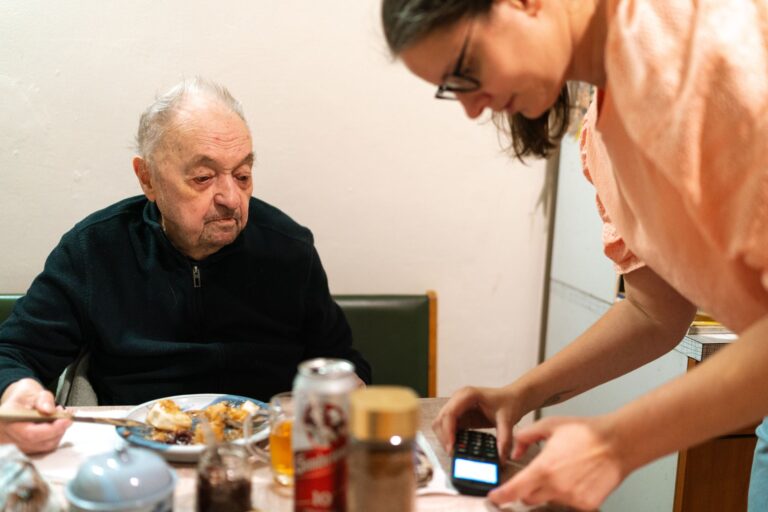
Watch for shifting alertness and attention, detailed visual hallucinations, Parkinson-like stiffness and slow movement, dizziness or fainting when standing, and acting out dreams. Lewy body dementia is a dementia that affects thinking, movement, sleep and automatic body functions, so holidays can magnify exhaustion, confusion and fall risk. Travel, late nights, long meals and crowded rooms add strain. A short plan for rest, movement support and calm responses helps protect both the person and the family gathering.
Medical information disclaimer: This article is for general educational purposes only and does not provide medical advice, diagnosis, or treatment. Always consult a physician or other qualified health professional about symptoms, medications, tests, or treatment decisions.
Table of Contents
- Why does attention come and go?
- What do hallucinations look like?
- Where does fall risk rise during gatherings?
- Which new symptoms need a medical check first?
Why does attention come and go?
Fluctuating cognition is a core feature. A person may stare blankly, seem confused or respond slowly for minutes to hours, then become clearer. The Lewy Body Dementia Association describes these shifts in attention and alertness, plus slowed thinking and trouble with visual-spatial tasks, in its symptoms guide. Do not assume a low period means lack of interest.
Reduce noise, offer one step at a time and allow extra time. Keep wake, meal and bedtime routines as close to home routines as possible. The U.S. Department of Veterans Affairs advises dementia caregivers to schedule only one or two events daily and be ready to leave early if fatigue or distress appears, according to its holiday and travel guidance.
What do hallucinations look like?
Recurrent, detailed visions of people, animals or children are common in Lewy body dementia. The Lewy Body Dementia Association reports them in up to 80% of people with the condition, with early hallucinations pointing more toward Lewy body dementia than Alzheimer's, in its symptoms guide.
Arguing rarely helps. Stay calm, check safety, offer reassurance and gently redirect attention. Note what happened, when it started and possible triggers such as fatigue, low light or unfamiliar surroundings.
Where does fall risk rise during gatherings?
Stiffness, slow movement, soft voice, masked facial expression, unsteady gait and repeated falls are common motor signs. Standing for greetings, stairs, loose rugs, dim hallways and long walks can make them worse.
Automatic body functions can also falter. Dizziness on standing, fainting, constipation, urgent urination and trouble handling heat or cold raise risk during travel and long events.
- Seat the person near a bathroom and away from high traffic.
- Stand up slowly, sit after standing and offer water and steadying help.
- Keep walkways clear, lights on and a chair nearby for rest.
- Plan short visits with breaks rather than one long day.
Which new symptoms need a medical check first?
Treat a sudden rise in hallucinations, delusions or agitation as a possible illness signal. The Lewy Body Dementia Association's Scientific Advisory Council advises checking urinary infection, pain, constipation or impaction, pressure injuries, dehydration and chest infection before using psychotropic drugs, in its emergency guidance on psychosis.
Bring a current medication list to urgent care. The same Council warns that 25% to 50% of patients have severe sensitivity to usual-dose antipsychotics, with worse confusion, sedation, lasting Parkinson-like symptoms or a dangerous reaction, so drugs such as haloperidol should be avoided.