Caregivers choose December puzzle game subscriptions by matching the puzzles to the person's current hobby and ability, then choosing a prepaid gift format that creates no ongoing bill for the recipient. A puzzle game subscription is a gift code that unlocks online puzzles, such as crosswords or word games, for a set period or for life. That choice matters because difficulty and format shape use. A familiar puzzle type supports calm participation, while a confusing interface or unexpected renewal can create stress for both the caregiver and the person with dementia.
Medical information disclaimer: This article is for general educational purposes only and does not provide medical advice, diagnosis, or treatment. Always consult a physician or other qualified health professional about symptoms, medications, tests, or treatment decisions.
Table of Contents
- Start with current habits and ability
- What does the brain-health evidence support?
- Which December gift formats reduce billing surprises?
- What should caregivers check before buying?
Start with current habits and ability
Methodist Health System advises gift buyers for older adults to match cognitive gifts to the recipient's current hobby, such as jigsaw puzzles, word searches or crosswords, plus aids that make that hobby easier, in the Methodist holiday gift guide. For subscriptions, apply the same test. Choose crosswords for a crossword solver, word searches for a word-search fan, and simpler casual puzzles for someone who tires quickly.
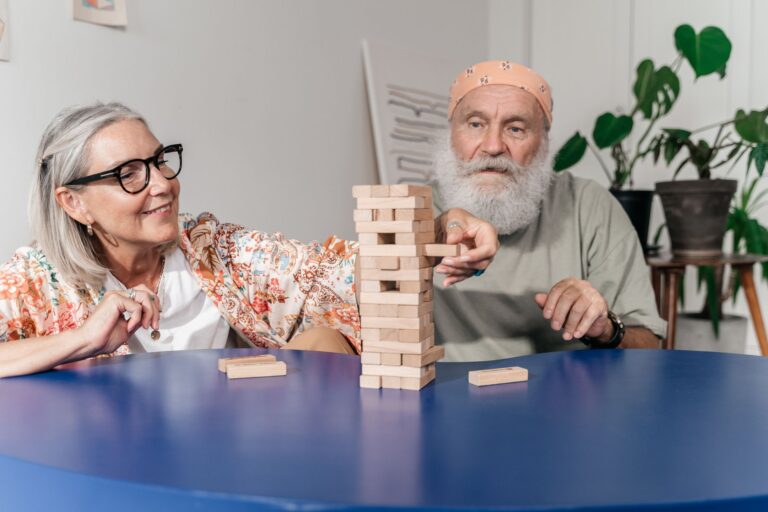
Duke University Family Support Program guides point in the same direction. They favor large-piece jigsaws, large puzzle books, and simple board or card games because they support cognitive engagement, calm, and family interaction. Online, the equivalent is large text, clear controls, one puzzle at a time, and no time pressure.
What does the brain-health evidence support?
A Columbia- and Duke-led randomized trial in adults averaging age 71 with mild cognitive impairment found crossword training improved memory scores more than computerized cognitive games, according to a Columbia Psychiatry summary. That does not mean crosswords prevent or treat dementia. It means a familiar word puzzle is a reasonable pick when the person already enjoys it.
Use that finding as a filter, not a prescription. If crosswords frustrate the recipient now, switching to easier word searches, short daily puzzles, or shared puzzle time may support engagement better than persistence. Ability today matters more than a study average.
Which December gift formats reduce billing surprises?
The New York Times offers a dedicated Games gift-subscription page, and The New York Times states the full gift price is charged at purchase and is nonrefundable, in the Games gift terms. That structure keeps later charges off the recipient. Confirm the length of access before purchase, such as one year, and save the receipt.
Puzzmo offers a different December-ready model. Puzzmo lists a giftable lifetime Puzzmo Plus code that never expires with a printable foldable card, in the Puzzmo Jubilee offer. A non-expiring code suits caregivers who want to give in December without starting a renewal clock. Print the card, keep the code copy, and explain when and how to redeem it.
What should caregivers check before buying?
Check renewal, access, and support needs. The Federal Trade Commission's October 2024 Click-to-Cancel rule requires clear disclosure of material subscription terms and cancellation as easy as signup, so confirm whether a puzzle plan auto-renews.
- Match puzzle type to a current hobby, not a past expert level.
- Choose prepaid, non-renewing, or lifetime gift codes when available.
- Test text size, device fit, login steps, and ad load.
- Write down renewal date, cancellation path, and who pays next.
- Plan a first session together to set up bookmarks and reminders.