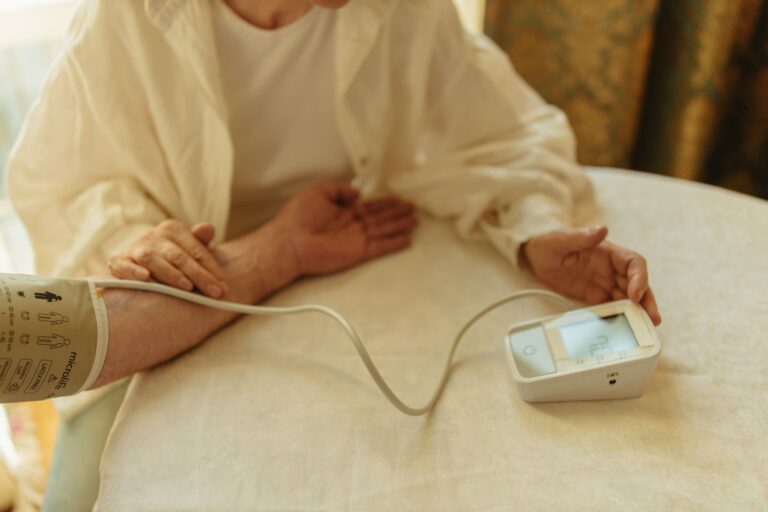
Structured lifestyle programs can lift cognitive test scores over two years in older adults at higher risk, but they do not promise dementia prevention or reversal of mild cognitive impairment. Mild cognitive impairment means measurable memory or thinking changes beyond normal aging that do not block daily independence. LatAm-FINGERS tested this approach across Latin America in 2026. Its design and limits matter for families weighing next steps after an MCI diagnosis.
Medical information disclaimer: This article is for general educational purposes only and does not provide medical advice, diagnosis, or treatment. Always consult a physician or other qualified health professional about symptoms, medications, tests, or treatment decisions.
Table of Contents
- What LatAm-FINGERS tested
- How large were the gains?
- Why results do not equal MCI treatment
- Practical steps supported now
What LatAm-FINGERS tested
The Alzheimer's Association reports that LatAm-FINGERS randomized 1,065 adults ages 60-77 with elevated risk and suboptimal cognition at 12 sites in 11 countries to two-year structured versus flexible lifestyle programs (Alzheimer's Association conference release). Both groups addressed diet, exercise, cognitive training, vascular-risk monitoring and social activity.
Researchers culturally adapted the program rather than directly translating the U.S. model, according to the Alzheimer's Association WW-FINGERS summary (WW-FINGERS featured results). Adaptation covered foods, exercise options, cognitive materials and delivery across varied health systems.
How large were the gains?
The FLENI repository record of the Lancet trial reports structured coaching raised global cognition by 0.31 SD per year versus 0.20 SD per year with flexible advice (FLENI repository record). The gap was 0.11 SD per year, about 55 percent greater gain, while both groups improved. Completion supports real-world use.
The structured arm averaged 71.6 percent adherence and 82.3 percent finished two-year follow-up across the region. The parallel U.S. POINTER trial in more than 2,000 at-risk older Americans also found both structured and self-guided programs improved cognition, with structured support stronger across sex, ethnicity and APOE4 status.
Why results do not equal MCI treatment
LatAm-FINGERS excluded dementia and MMSE scores below 20 and tracked two-year test trajectories. It did not measure dementia incidence, MCI reversal, or lasting prevention.
That distinction is central for people already living with MCI. Better scores show brain-health benefit, not proof that impairment will improve or that dementia will not develop. Northwestern's Mesulam Institute states no specific medication exists for mild cognitive impairment and recommends exercise, healthy diet, social and mental activity, plus vascular and comorbidity care.
Practical steps supported now
World Health Organization guidance from July 15, 2026 advises activity, healthy diet, tobacco cessation, control of hypertension, diabetes and cholesterol, and cognitive and social engagement (WHO guidelines notice). WHO notes up to 45 percent of dementia risk is modifiable.
Readers with MCI can discuss these actions with a clinician: Ask for structured coaching or group follow-up when available, since regular support improved results in both LatAm-FINGERS and U.S. POINTER.
- schedule regular aerobic activity, strength and balance work
- shift meals toward vegetables, beans, whole grains and fish
- treat blood pressure, blood sugar and cholesterol to target
- add weekly cognitive challenge and social contact
- review sleep, hearing, vision, mood and medications
You Might Also Like
- Why 2026 p-tau217 Research Is Not Population Screening: How People With Mild Cognitive Impairment Can Avoid Overreading the Headline
- What PROTECT-Cog Adds to Lifestyle Research in 2026: How People With Mild Cognitive Impairment Can Avoid Overreading the Headline
- WHO’s 2026 Delirium Guideline Development Process: Questions People With Mild Cognitive Impairment Can Ask About the Research