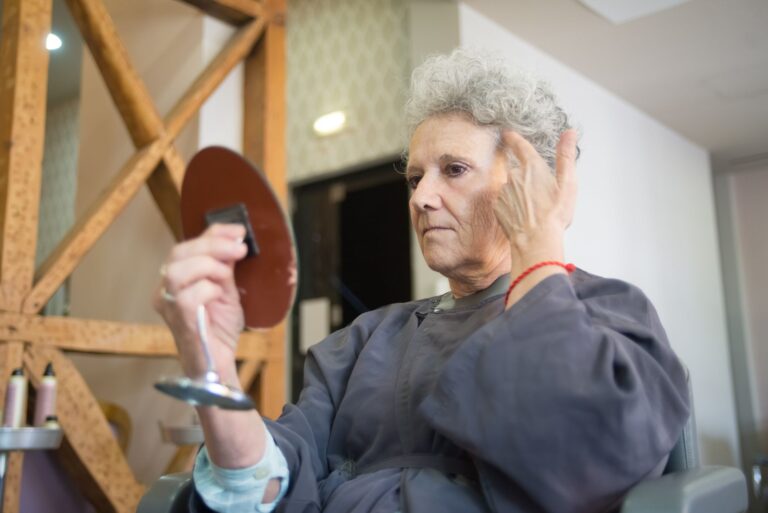
Building fall prevention into a realistic dementia prevention routine with mild cognitive impairment means adding balance and strength work, medication and vision checks, and home safety fixes to regular aerobic activity. Mild cognitive impairment, or MCI, means noticeable memory or thinking changes while daily independence stays largely intact. That combined approach matters because movement protects both body and brain. According to the Alzheimer's Association, an estimated 10% to 15% of people with MCI develop dementia each year, as described in Alzheimer's Association guidance on mild cognitive impairment.
Medical information disclaimer: This article is for general educational purposes only and does not provide medical advice, diagnosis, or treatment. Always consult a physician or other qualified health professional about symptoms, medications, tests, or treatment decisions.
Table of Contents
- Why act on falls early after MCI?
- What does a balanced week include?
- Which safety checks complete the routine?
- How do you keep the plan realistic and consistent?
Why act on falls early after MCI?
Thinking changes can affect attention, planning, and walking at the same time. A curb, a dim hallway, or rushing to answer a phone can then lead to a trip.
Early action keeps small balance slips from becoming injury, fear of moving, and less activity. Exercise that trains balance and daily function helps directly. A Cochrane review found balance and functional exercises reduce the rate of falls by 24% and the number of people falling by 13%, according to Cochrane evidence on exercise for preventing falls.
What does a balanced week include?
A workable week pairs aerobic movement with focused balance and leg strength. The World Health Organization recommends adults 65 and older do 150-300 minutes of moderate aerobic activity weekly plus functional balance and strength training on 3 or more days, detailed in WHO 2020 guidelines on physical activity.
Spread sessions across days so fatigue does not build up. Use simple, repeatable slots rather than long workouts:.
- walk at a steady pace on most days, with a friend or in a familiar place
- practice standing balance near a counter, then tandem standing and slow weight shifts
- add sit-to-stand, step-ups, and heel raises for leg strength
- include gentle stretching for calves, hips, and shoulders after movement
Which safety checks complete the routine?
Exercise works best with checks for common fall triggers. The CDC advises combining strength-balance exercise such as Tai Chi with medication review for dizziness or drowsiness, annual eye exams, and home fixes, listed in CDC guidance on preventing falls.
Bring all pills, sleep aids, and supplements to the review. Make the home easier to move through in one pass. Add grab bars where support is needed, secure stair railings, brighten hallways and stairs, keep cords and clutter off walking paths, and remove loose rugs or tape down edges.
How do you keep the plan realistic and consistent?
Tie new moves to existing habits. Do heel raises while coffee brews, balance practice before lunch, and a short walk after dinner. Use a sturdy chair or counter for support, wear firm closed-toe shoes, and stop a move that causes pain, chest pressure, or dizziness.
Treat the routine as risk reduction, not a promise about memory. Track falls, near-falls, and skipped sessions for two weeks, then share the notes with a clinician. Book the medication review and eye exam before adding harder balance moves.
You Might Also Like
- Building Wearing a Bike Helmet Into a Realistic Dementia Prevention Routine With Mild Cognitive Impairment
- Building Wearing a Bike Helmet Into a Realistic Dementia Prevention Routine With Other Chronic Conditions
- Building Wearing a Bike Helmet Into a Realistic Dementia Prevention Routine With Limited Mobility