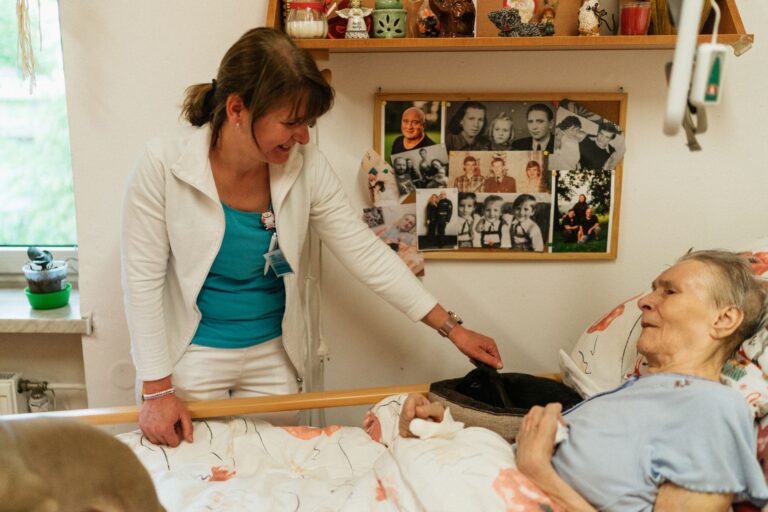
The Alzheimer's Association's 2026 Facts and Figures report projects $409 billion in formal health, long-term care and hospice payments for Alzheimer's and other dementias. Caregivers can plan around that trend by budgeting for family-borne labor and out-of-pocket costs, not just medical bills. The report is the Association's yearly measure of Alzheimer's prevalence, care use, and spending.
It estimates 7.4 million Americans age 65 and older live with clinical Alzheimer's dementia in 2026. Clinical Alzheimer's dementia means the disease has progressed to memory, thinking, and daily-function loss. That group drives most dementia care demand.
Medical information disclaimer: This article is for general educational purposes only and does not provide medical advice, diagnosis, or treatment. Always consult a physician or other qualified health professional about symptoms, medications, tests, or treatment decisions.
Table of Contents
- What does the $409 billion include?
- Why do families carry most of the load?
- How can caregivers plan around the trend?
- What long-term limit should change your plan?
- What does the $409 billion include?
- Why do families carry most of the load?
- How can caregivers plan around the trend?
- What long-term limit should change your plan?
What does the $409 billion include?
The $409 billion covers paid care only: medical treatment, long-term care, and hospice. It excludes the value of unpaid help from family and friends, according to the Association's 2026 report. That exclusion matters because unpaid help is often the largest cost.
Medicare and Medicaid are expected to pay about $263 billion of that total, or 64%. Out-of-pocket spending is expected to reach $103 billion, according to the Association's April 2026 cost factsheet. Families still face direct bills for deductibles, home aides, adult day programs, and residential care gaps.
Why do families carry most of the load?
The estimated lifetime cost for one person with dementia is $405,262 in 2024 dollars. About 70% falls on families through unpaid care and out-of-pocket payments, according to the Association's 2026 report. Paid medical care is only one part of the total.
More than 12 million unpaid caregivers provided about 19.6 billion hours of care in 2025. That labor was valued at over $446 billion. The numbers show that time, missed work, and direct spending hit households first.
How can caregivers plan around the trend?
Start with labor, not just bills. Track who provides supervision, meals, rides, medications, and night coverage.
Then price what would happen if one helper stopped for two weeks. Use the list to spot single points of failure. A plan with two backup helpers lasts longer than a plan built around one person.
- List weekly unpaid hours by person and task
- Identify one paid backup for supervision and personal care
- Review hospital, drug, and long-term care coverage before a crisis
- Set a separate fund for home help, travel, and time off work
- Revisit legal plans for decision-making, accounts, and care wishes
What long-term limit should change your plan?
Formal spending alone will mislead long-term plans. A broader University of Southern California-led study puts total 2026 dementia costs at $818 billion when unpaid care, earnings losses, and quality-of-life losses are included, according to the university's October 2026 summary. Families bear over three times government costs in that fuller measure.
The Association also warns its $409 billion figure will approach $1 trillion by 2050. Caregivers who budget only for this year's medical bills will underestimate later needs for supervision, home care, and residential care. Build flexibility for more hours and higher out-of-pocket costs over time.