Building helmet use into a dementia prevention routine with limited mobility means wearing a fitted bike helmet on every ride and pairing it with supported, clinician-approved activity. Traumatic brain injury, a blow or jolt that disrupts normal brain function, is a modifiable dementia risk factor you can reduce through head protection and safer movement. The routine works when cycling fits your ability, route, and balance. A stationary tricycle, adult trike, or tandem ride with a partner can keep wheels in the plan without standing on two wheels in traffic.
Medical information disclaimer: This article is for general educational purposes only and does not provide medical advice, diagnosis, or treatment. Always consult a physician or other qualified health professional about symptoms, medications, tests, or treatment decisions.
Table of Contents
- Why head protection matters for brain health
- How does a helmet fit a low-mobility ride?
- How do you stay active and safe with limited mobility?
- What helmets cannot do
Why head protection matters for brain health
The 2024 Lancet Commission listed traumatic brain injury as one of 14 modifiable dementia risk factors, estimating about 45% of dementia cases worldwide could be delayed or prevented by addressing those factors together, according to the Commission summary from Alzheimer Europe. Helmets act on one part of that larger prevention picture. They do not change age or genes, but they lower injury risk during a fall or crash.
The Alzheimer's Association recommends wearing a helmet for biking, scooters, skating, skateboarding, skiing, snowboarding, football and hockey to make the brain less vulnerable to injury, described in its Protect Your Head guidance. Make the helmet non-negotiable, like a seat belt. Keep it buckled, level, and snug before the wheels move.
How does a helmet fit a low-mobility ride?
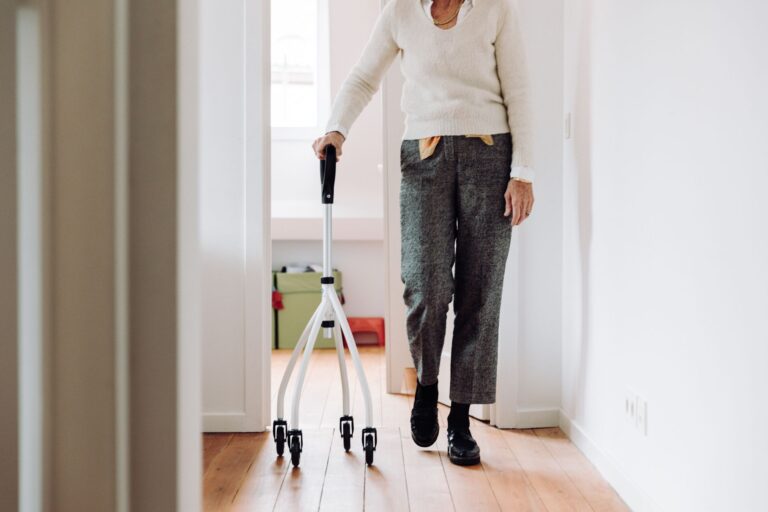
Choose the ride that matches your joints, balance, and stamina. A step-through adult tricycle, recumbent trike, e-assist trike at low assist, or tandem with a steady captain all reduce mounting strain and balance demand. Ride short, flat, car-light paths in daylight and avoid wet pavement, gravel, and crowded shared trails.
Fit matters more when reaction time is slower. Replace a helmet after any crash or visible crack, and adjust pads and straps so it does not rock forward or back. Store the helmet with the bike or trike so forgetting it requires effort.
How do you stay active and safe with limited mobility?
The CDC advises adults 65 and older to get at least 150 minutes weekly of moderate aerobic activity plus muscle-strengthening and balance activities, noting regular activity lowers dementia, heart disease, stroke, diabetes and some cancers, according to its Moving Matters guidance for older adults. Break that total into short rides, walks, chair exercises, or supervised classes across the week.
Count only effort you can repeat without prolonged soreness or fatigue. For limited mobility, the National Institute on Aging advises discussing the exercise plan with a clinician, using support, starting gradually, and stopping for warning symptoms, detailed in its Go4Life safety sheet.
- Ask a clinician about cycling, frequency, and heart, joint, vision, and balance limits.
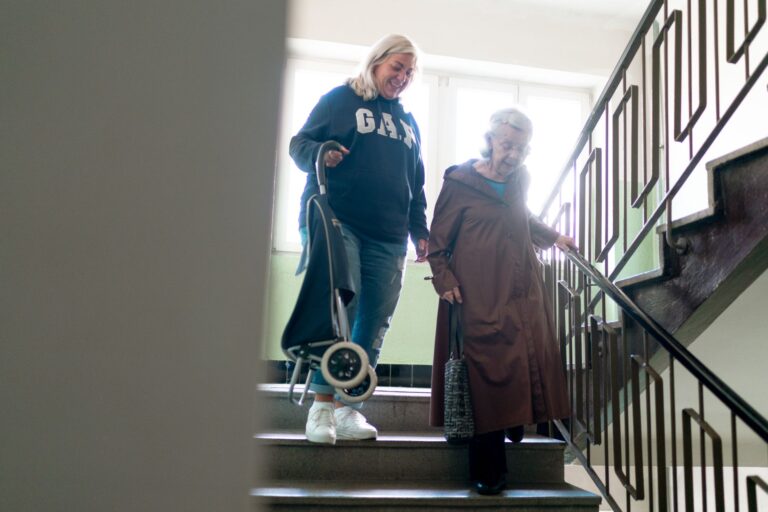
- Use a sturdy chair, wall, rail, or helper for mounting, starting, and stopping.
- Start with brief, easy rides and add minutes only as tolerance allows.
- Stop for pain, dizziness, chest discomfort, or unusual shortness of breath.
What helmets cannot do
Helmets lower but do not remove concussion and brain-injury risk. Pair them with fall-proofing at home, seat-belt use, safe routes, good lighting, and prompt medical care after any head impact.
A classic study found large reductions in head and brain injury among helmeted cyclists, so the benefit is real even though protection is partial. After any crash, fall, or head strike, stop riding and seek medical follow-up even when the helmet looks intact. Check thinking, memory, headache, nausea, balance, mood, and sleep over the next day and report changes quickly.