Weight loss in early-stage dementia care means starting prevention early, responding fast when eating drops, and following weight and nutrition over time. Prevention must begin early because loss often starts before diagnosis and grows worse as dementia progresses. Malnutrition here means the body gets too little energy or nutrients to hold weight and strength. The British Dietetic Association reports that people with dementia face higher risk than cognitively healthy peers, with weight change often beginning in early stages, according to British Dietetic Association guidance.
Medical information disclaimer: This article is for general educational purposes only and does not provide medical advice, diagnosis, or treatment. Always consult a physician or other qualified health professional about symptoms, medications, tests, or treatment decisions.
Table of Contents
- Why does weight drop so early?
- What daily habits lower risk?
- How is malnutrition spotted?
- What helps when intake falls?
- When should carers seek help?
Why does weight drop so early?
Forgetting meals, thinking a meal already happened, and not recognizing food reduce intake. Appetite loss, depression, new medicines, and too little activity also play a part.
Mouth and swallowing problems add risk. The Alzheimer's Association lists ill-fitting dentures, swallowing problems, and chewing difficulty among common drivers, described in Alzheimer's Association food and eating guidance.
What daily habits lower risk?
Offer balanced meals with vegetables, fruit, whole grains, lean protein, and low-fat dairy. Limit saturated fat and cholesterol, and encourage daily walking or other activity.
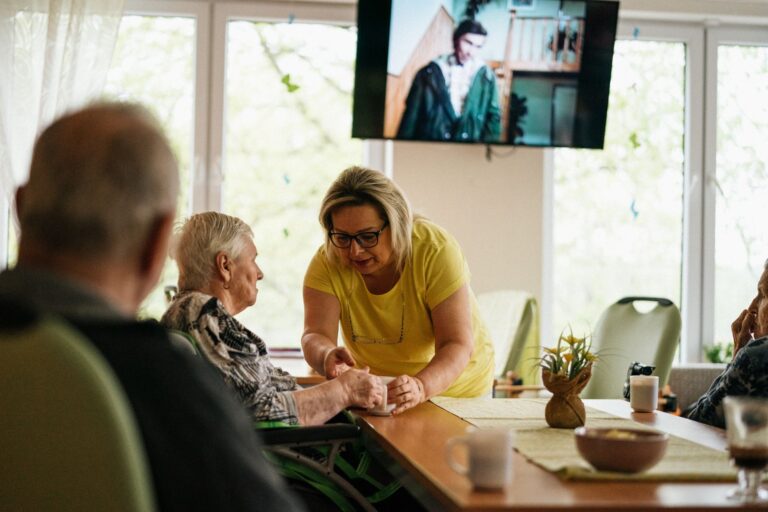
Keep dentures, glasses, and hearing aids in place for meals. Familiar dishes, calm mealtimes, and enough time to eat help the person notice food and eat more.
How is malnutrition spotted?
UK standard NICE CG32 calls for screening with body mass index plus percentage unintentional weight loss and duration of reduced intake, for example with the MUST tool. It defines malnutrition as BMI under 18.5, loss over 10% in 3-6 months, or BMI under 20 with loss over 5%, detailed in NICE nutrition support recommendations.
No screening tool is dementia-specific. ESPEN's 2024 update recommends validated older-adult tools such as the Mini Nutritional Assessment short-form, with caregivers answering, plus routine dehydration screening and close monitoring.
What helps when intake falls?
Stop "low-fat" or "diet" products and offer small amounts every 2-3 hours. Fortify foods with butter, cheese, cream, oil, or sauces to add energy in small bites.
Use finger foods when wandering, poor dexterity, or cutlery problems interfere. Cambridge University Hospitals NHS suggests options such as:.
- toast fingers, sandwiches, and fish fingers
- cheese, fruit, and small cakes or biscuits
- milky drinks, soups, and fortified snacks between meals
When should carers seek help?
Weigh regularly and review food, drink, weight, and swallowing. The British Dietetic Association advises dietitian referral when MUST score reaches 2 or higher.
Seek speech-and-language advice for coughing, food-holding in the mouth, or prolonged chewing. Contact the GP or dietitian promptly if weight loss continues.