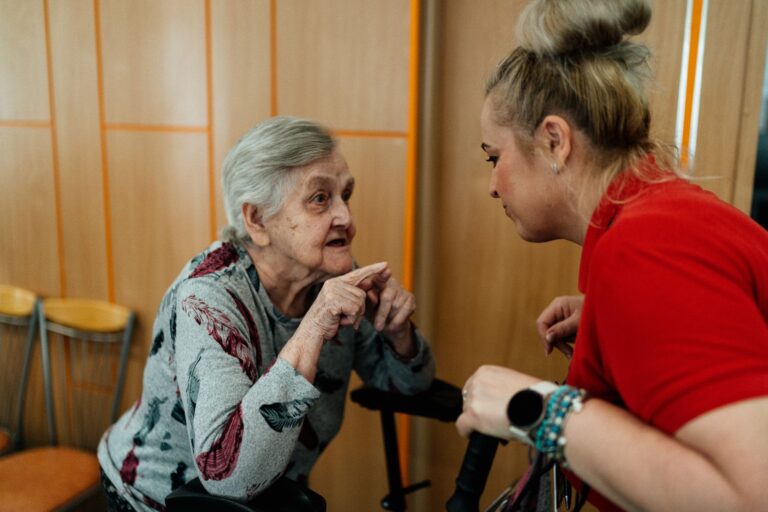
Long-distance caregivers can stay involved during the holidays by planning tasks in advance, handling finances and appointments from afar, and joining care meetings and visits by phone or video. The National Institute on Aging defines long-distance caregivers as people caring for someone living an hour or more away, including millions supporting aging parents or relatives with illness or disability, as summarized in help for caregivers living miles away from NIH MedlinePlus Magazine. Holiday travel adds pressure because routines change and family expectations run high. A short plan for communication, daily support, and medical coordination keeps the person with dementia comfortable while giving local caregivers relief.
Medical information disclaimer: This article is for general educational purposes only and does not provide medical advice, diagnosis, or treatment. Always consult a physician or other qualified health professional about symptoms, medications, tests, or treatment decisions.
Table of Contents
- Set expectations before the holidays
- What can you handle from a distance?
- How do you stay in the medical loop?
- How do you make a holiday visit help?
Set expectations before the holidays
Hold an advance group discussion by phone, video call, messaging app, or email. The Alzheimer's Association advises families to use that talk to set realistic expectations, divide celebrations and duties, and discuss what each person can reasonably do, described in holiday guidance for Alzheimer's families from the Alzheimer's Association.
Be specific about money, time, and travel limits. One sibling may host a quiet meal, another may pay for respite care, and a long-distance caregiver may manage appointments and bills.
What can you handle from a distance?
Remote work can be direct care support. Useful tasks include managing finances, scheduling medical appointments, coordinating with local caregivers, researching benefits such as Medicare and Medicaid, and providing emotional support.
For dementia care, other remote help includes researching community services, making appointments, visiting when possible, and giving day-to-day caregivers a break. A shared calendar prevents double-booking and missed doses.
- Track bills, prescriptions, appointments, and visitor coverage
- Research local meal, ride, respite, and home-care options
- Call regularly to offer steady emotional support
How do you stay in the medical loop?
Get written permission from the care recipient to speak with doctors and other providers. Clinicians need consent before they can share medical information remotely.
Keep one shared contact list, shared calendar, group chat, and organized set of legal, financial, and medical documents. According to the National Institute on Aging, summarized by NIH MedlinePlus Magazine, caregivers can also join telehealth visits and schedule conference calls with providers and facility staff, as explained in strategies for long-distance caregiving from NIH MedlinePlus Magazine.
How do you make a holiday visit help?
Brief guests beforehand about dementia symptoms. Keep the person's normal routine as much as possible, involve them in preparation such as wrapping gifts or setting the table, and favor smaller, quieter activities together.
Use a longer stay to reassess safety and daily functioning. Check food, medications, bills, hygiene, and home upkeep, because a person may brighten up for short calls and mask problems. For local help, contact the Administration for Community Living's Eldercare Locator at 800-677-1116.