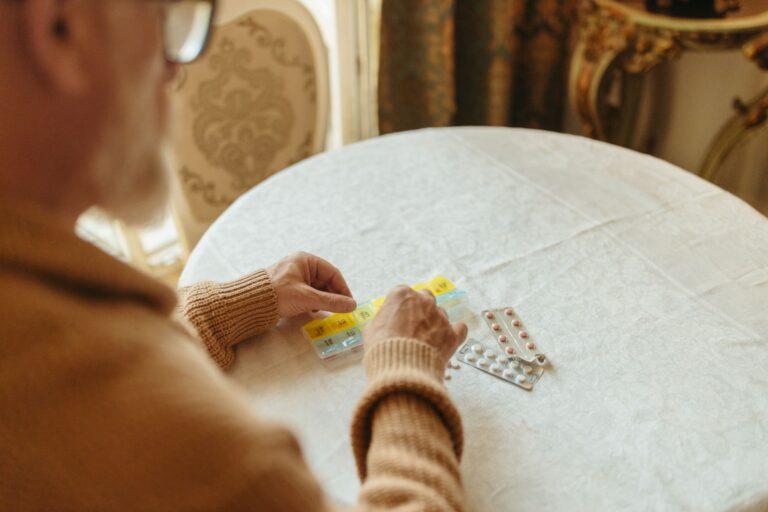
This guide helps caregivers make holiday potlucks safer for a person living with dementia who has food allergies, diabetes, or kidney limits. It shows how to check dishes in advance, avoid risky servings, and build balanced portions. A potluck — a meal where each guest brings a dish to share — can confuse a person with memory loss. Familiar foods, fewer choices, and your direct help lower missed limits and unsafe bites.
Medical information disclaimer: This article is for general educational purposes only and does not provide medical advice, diagnosis, or treatment. Always consult a physician or other qualified health professional about symptoms, medications, tests, or treatment decisions.
Table of Contents
- What to Ask Before You Go
- How to Stop Mix-Ups at the Buffet
- How to Keep Shared Food Safe to Eat
- How to Build a Steady Plate
What to Ask Before You Go
Call or text the host a few days ahead. Name the limits in plain words and ask for full ingredient lists.
Offer to bring one main dish and one side you know are safe. The U.S. Food and Drug Administration defines nine major food allergens — milk, eggs, fish, crustacean shellfish, tree nuts, peanuts, wheat, soybeans, and sesame — so screen every potluck dish for these FDA guide to food allergies.
- Share a short card with foods to avoid and safe swaps.
- Ask where ingredient cards will sit on the table.
- Bring your recipe card and a serving spoon for your dishes.
How to Stop Mix-Ups at the Buffet
Cross-contact means allergen protein moves from an unsafe food, surface, or utensil to a safe food. Food Allergy Research and Education advises hosts to ask guests about allergies in advance, label each dish with full ingredients, and give each dish its own serving utensil, and notes cooking does not remove that protein FARE guide to avoiding cross-contact.
Serve the person yourself rather than letting them graze. Use the correct spoon for each dish and start from fresh trays when spoons look mixed. Keep your safe dish at the end of the table for easier access.
How to Keep Shared Food Safe to Eat
Federal food-safety guidance from Foodsafety.gov requires keeping hot potluck foods at 140°F or above and cold foods at 40°F or below, with perishables refrigerated within 2 hours, or within 1 hour above 90°F federal food-safety tips for shared holiday food. People with dementia may eat slowly, wander, then return for more.
Take a small first serving and sit near the table. Return uneaten plates to the fridge on time instead of leaving them out.
How to Build a Steady Plate
The American Diabetes Association Diabetes Plate method fills half the plate with non-starchy vegetables, one-quarter with lean protein, and one-quarter with carbohydrate foods, after surveying the buffet before serving Diabetes Food Hub guide to holiday gatherings. Walk the table first, then choose two or three familiar items that fit that balance.
Offer water between bites and keep desserts to a small, planned taste. Bring a low-salt side if the person tracks sodium and follow clinician advice for personal limits.