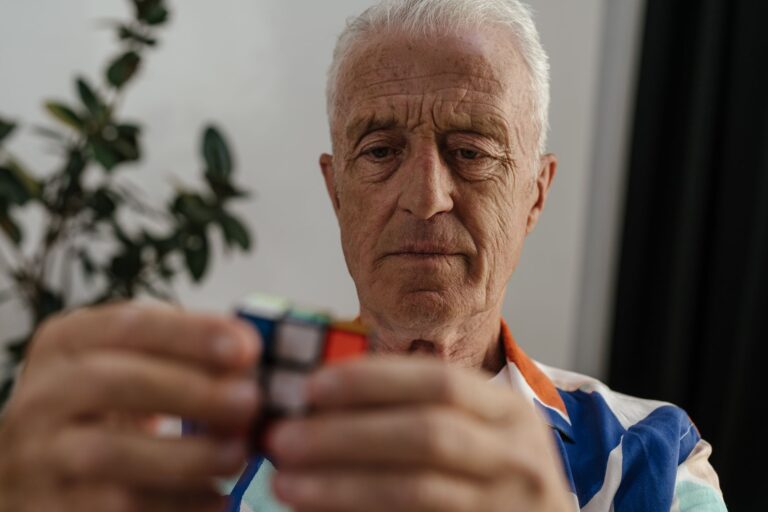
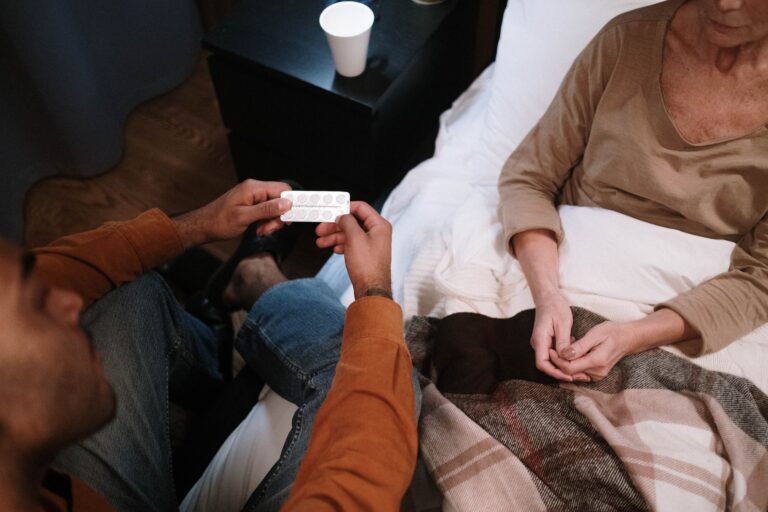
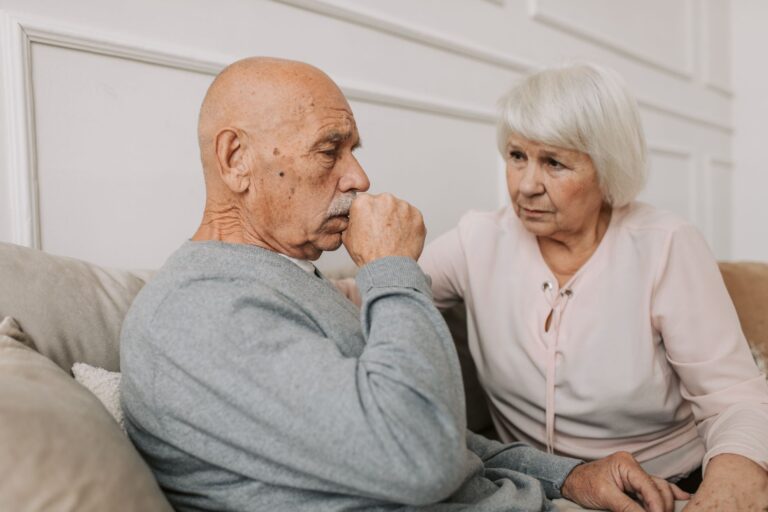
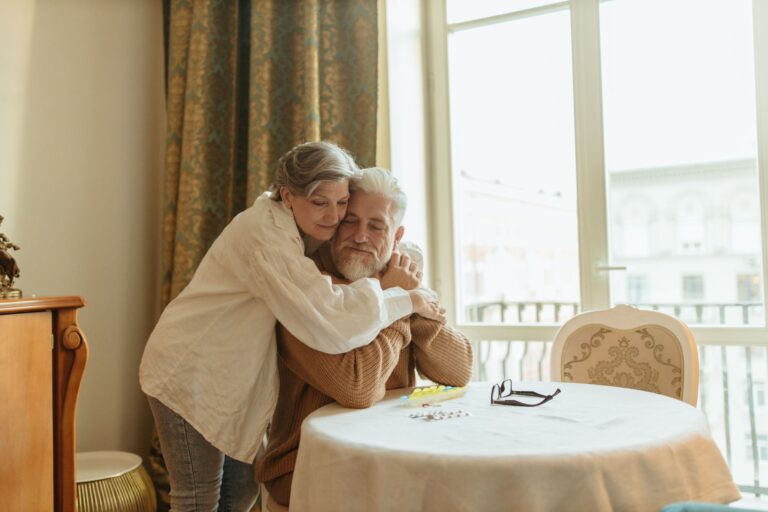
Caregiver fatigue makes communication with aphasia patients harder in both directions, with less patience for slow, repeated exchange. Aphasia is language loss after brain injury that impairs speaking, understanding, reading, or finding words, and it demands extra time and close listening that tired caregivers struggle to give. When energy drops, talks get shorter, errors rise, and both partners tire quickly. Small changes in pace, routine, and support can keep daily communication steadier without demanding long training sessions.
Medical information disclaimer: This article is for general educational purposes only and does not provide medical advice, diagnosis, or treatment. Always consult a physician or other qualified health professional about symptoms, medications, tests, or treatment decisions.
Table of Contents
- Why does aphasia caregiving feel harder?
- What changes when the caregiver is tired?
- How can you stay clear on low energy?
- Why does training need to fit fatigue?
Why does aphasia caregiving feel harder?
Caregivers of aphasic stroke survivors report greater task difficulty and more negative outcomes than other stroke caregivers. In a comparison of 46 caregivers of aphasic and 113 caregivers of nonaphasic survivors, communication was rated the most upsetting and difficult task, according to the Rehabilitation Nursing study study summary.
That burden is practical as well as emotional. Every request, choice, or update may need several tries. Over a full day, those repeats add physical and mental load.
What changes when the caregiver is tired?
Fatigue narrows the exact skills aphasia conversations require. Caregivers must rephrase, repeat, slow speech, and listen closely, and the effort tires both partners, according to the University of Arkansas research report.
A tired listener may speak too fast, interrupt, or guess at words. The patient may then shut down, gesture less, or avoid the next attempt.
How can you stay clear on low energy?
Short, consistent habits work better than long talks. Recommended partner behaviors from BrainLine include patience, careful listening, repeating as needed, slowing speech, and writing down key words said or sought conversational tips. Use them in brief exchanges:.
- Ask one thing at a time and pause for an answer.
- Repeat the message in shorter words, then write the key word down.
- Keep background noise low and face the person while listening.
- Stop while still calm and return later if either of you feels strained.
Why does training need to fit fatigue?
Many caregivers never start communication partner training because time, availability, and beliefs about stress or benefit get in the way. A 17-study review found those factors shape use, so fatigued caregivers may not take training up, according to the ASHA Evidence Maps summary evidence summary.
The same summary points to a fix: screen for family strain and offer brief training plus respite. Ask the care team for a 10-minute bedside demo, one written cue card, and a plan for short breaks.