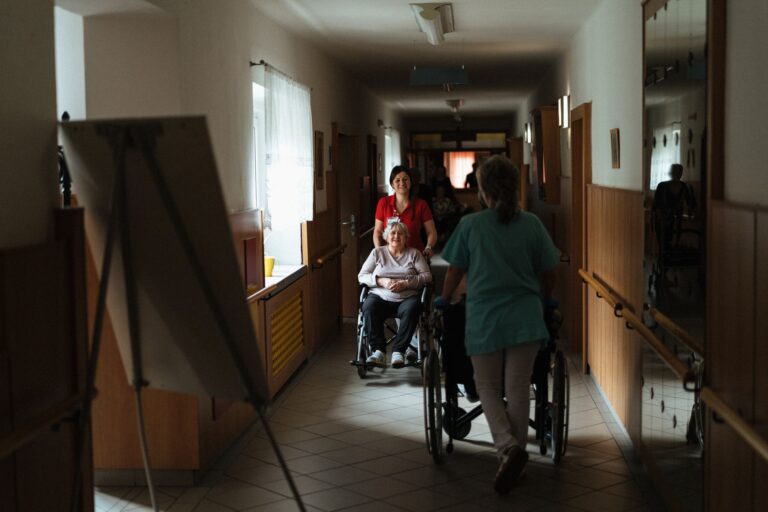
A quiet holiday for a loved one with dementia means keeping daily routines steady while cutting back on noise, crowds, and late nights. Dementia is an ongoing decline in memory and thinking that interferes with daily life, so familiar patterns reduce stress. Small changes help more than canceling the celebration. Shorter daytime visits, prepared guests, and simple decorations keep connection without overload.
Medical information disclaimer: This article is for general educational purposes only and does not provide medical advice, diagnosis, or treatment. Always consult a physician or other qualified health professional about symptoms, medications, tests, or treatment decisions.
Table of Contents
- Keep the routine steady
- Why meet earlier in the day?
- How should guests greet your loved one?
- Make decorations calm and safe
- When should you change the plan?
Keep the routine steady
The National Institute on Aging advises caregivers to stay on a normal routine and adapt celebrations around it. Keep meals, naps, and bedtime at usual times, even on holidays.
Limit strain by controlling the flow of people and activity. That means:.
- welcome only a few visitors at one time
- offer a quiet break space away from guests
- avoid crowded outings and big schedule changes
Why meet earlier in the day?
Confusion and agitation often worsen in late afternoon and evening in a pattern called sundowning, according to the Alzheimer's Association's holidays and Alzheimer's guidance. A holiday lunch is usually calmer than dinner.
Plan the main visit for late morning or midday. Leave evenings free for rest, and watch for tiredness as a cue to pause.
How should guests greet your loved one?
Visitors should introduce themselves by name, such as "This is Jane, your niece," Baylor College of Medicine advises. They should avoid testing memory with questions like "Do you remember who this is?" Before the gathering, show your loved one photos of expected guests and arrange brief introductory calls.
The U.S. Department of Veterans Affairs dementia caregiver program also recommends briefing relatives about the diagnosis and asking them to speak calmly and quietly.
Make decorations calm and safe
Add decorations a little at a time over several days, rather than changing the house overnight, in Alzheimer's Society UK Christmas advice. Sudden environmental change can shock or confuse a person with dementia.
Choose safe, simple items that stay put. Age Scotland's dementia-friendly festive update recommends securing decorations from falling, avoiding blinking lights and clutter, skipping fragile items and burning candles, and using electric candles instead.
When should you change the plan?
These tips are general caregiver guidance, not individualized medical advice. Effects vary by dementia type and stage, so follow the person's clinician for safety and care needs.
If noise, late hours, or travel cause distress despite a quiet setup, shorten the visit further. A brief calm lunch with one or two familiar people often works better than a full family evening.