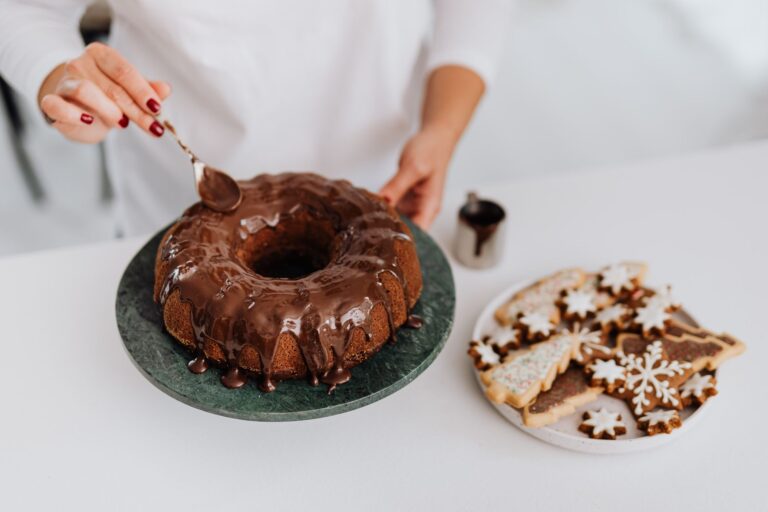
Handle holiday overeating in memory care by serving small portions, favoring vegetables and lean protein, and keeping meals calm and routine. Split the holiday plate in two and offer the second half only if the person still asks for food. Memory care here means day-to-day support for a person living with memory loss from dementia. Holidays bring more food, more people, and broken routines, so a clear plan helps the person eat enough without discomfort.
Medical information disclaimer: This article is for general educational purposes only and does not provide medical advice, diagnosis, or treatment. Always consult a physician or other qualified health professional about symptoms, medications, tests, or treatment decisions.
Table of Contents
- Why does overeating happen at the holidays?
- How should you portion holiday food?
- What belongs on a balanced holiday plate?
- How can you keep the meal calm and routine?
Why does overeating happen at the holidays?
People with dementia may forget they already ate or worry when the next meal is coming, so they ask for food repeatedly and gain unnecessary weight, according to the Alzheimer's Society UK in its eating and drinking guidance. Large family meals, snacks on the table, and sweet treats make repeated requests more likely.
Frontotemporal dementia especially can raise appetite and cause strong cravings for sweet foods, Dementia UK notes. That pattern can lead to overeating, weight gain, and dental problems without good mouth care.
How should you portion holiday food?
Divide the holiday meal into two smaller portions and heat or offer the second only if still requested, rather than serving a large plate at first, advises the Kent Community Health NHS Foundation Trust in its dementia and nutrition leaflet. This keeps the first plate manageable and gives time to notice fullness.
Make the smaller portion satisfying by filling most of the plate with vegetables or salad, starting with soup, and choosing lean poultry, fish, and less-processed meats. Keep seconds with the same balance instead of adding only meat, gravy, or dessert.
- Serve half the holiday plate first
- Wait, then offer more only if requested
- Keep sweets and snacks out of sight between meals
What belongs on a balanced holiday plate?
Keep a balanced holiday menu of vegetables, fruits, whole grains, low-fat dairy, and lean protein while limiting saturated fat, cholesterol, and refined sugars from processed sweets, recommends the Alzheimer's Association in its Food and Eating guidance. Offer water with the meal and save a small sweet portion for dessert.
In middle-to-late dementia, the Alzheimer's Association also advises preparing food to prevent choking by grinding, cutting bite-size pieces, or serving soft foods like applesauce, cottage cheese, and scrambled eggs. Avoid nuts, popcorn, and raw carrots for people with chewing or swallowing difficulty.
How can you keep the meal calm and routine?
Reduce holiday-meal confusion by serving in a quiet, familiar place, keeping table settings simple, using contrasting plates, offering one food at a time, and allowing extra time to eat, advises guidance from the Alzheimer Society of Manitoba. A plain plate in a contrasting color helps food stand out, and one dish at a time lowers grazing.
Protect routine and reduce overload by holding celebrations earlier in the day, limiting visitors at one time, keeping the person's normal schedule, and providing a quiet rest space, according to the National Institute on Aging in its Holiday Hints for Alzheimer's Caregivers. Move the person to the rest space before noise and activity build into distress.