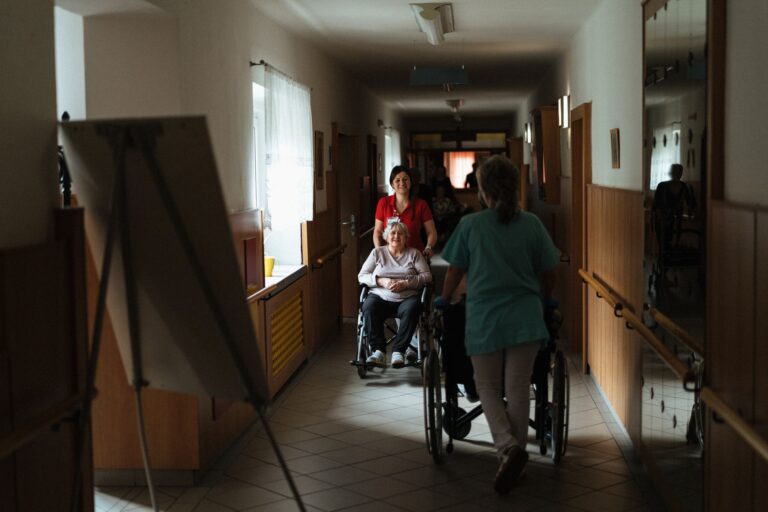
Cold weather makes wandering more dangerous rather than more common. For people with dementia, wandering means leaving a safe place confused about location or direction, and winter can turn even a brief episode into injury or death.
Wandering is common. According to the Alzheimer's Association, six in 10 people living with dementia will wander at least once, and many do so repeatedly, in its wandering safety guidance. Cold adds fast harm because an underdressed older adult loses heat quickly and may not seek help.
Medical information disclaimer: This article is for general educational purposes only and does not provide medical advice, diagnosis, or treatment. Always consult a physician or other qualified health professional about symptoms, medications, tests, or treatment decisions.
Table of Contents
- Why cold turns a short walk into an emergency
- Why patients miss cold warning signs
- What other winter hazards raise the risk
- How can caregivers lower winter wandering harm
Why cold turns a short walk into an emergency
Winter exposure brings hypothermia, frostbite and dehydration. According to Cleveland Clinic, wandering outside in cold can lead to injury or death even when wandering is otherwise harmless, in its dementia wandering report. Wet clothes, wind and low body fat speed heat loss.
Risk does not require a blizzard or a long absence. The National Institute on Aging reports that indoor hypothermia can develop at 60-65°F. A person who steps into a garage, porch, shed or yard may therefore remain at risk.
Why patients miss cold warning signs
Dementia impairs cold awareness, clothing judgment and danger recognition. The Alzheimer's Foundation of America says patients may leave underdressed or fail to notice hypothermia onset. A coat left by the door does not help if the person forgets its purpose.
Age adds vulnerability. According to the National Institute on Aging, hypothermia means core temperature at or below 95°F, with early signs including confusion, sleepiness, slurred speech, shivering, pale skin and poor coordination, in its cold weather safety page. Confusion is especially dangerous because it looks like dementia itself.
What other winter hazards raise the risk
Falls rise on ice, wet leaves and uneven frozen ground. Reduced daylight, glare, snow and storms cut visibility for both the patient and drivers. A short outing can then end with a fracture far from help.
Storms create wider care gaps. Guidance shared through the Alzheimer's Association urges monitoring forecasts, using dry layered clothing, assuming surfaces are slick and keeping emergency plans for outages. Caregivers should also keep a phone charged, a flashlight ready and a neighbor aware during severe weather.
How can caregivers lower winter wandering harm
Routine and barriers work better than reminders. The Alzheimer's Foundation of America and Cleveland Clinic point to out-of-sight locks, door alarms, GPS trackers, safe walking paths and steady daily routines, in winter wandering protection tips. A safe indoor walking loop can meet restlessness without outdoor exposure.
If wandering happens, search at once and include nearby, hidden and overlooked areas. A 2021 systematic review found reported wandering rates from about 15 percent to 67 percent, so families should treat risk as personal rather than rare. Check doors, clothing, forecasts and search plans each evening before temperatures drop.
- Place locks high, low or out of direct sight and test door chimes.
- Keep coats, hats, shoes and keys away from entryways.
- Use GPS shoes, watches or pendants and keep them charged.
- Hold regular meals, exercise, toilet visits and bedtime to reduce agitation.