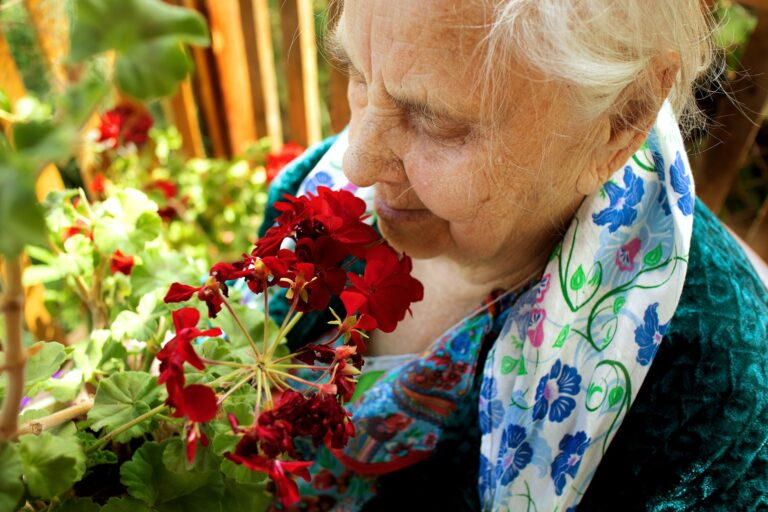
Caregivers can keep Thanksgiving safe for people with dementia by cooking turkey to 165°F, controlling food temperatures, and serving in a calm setting. Dementia means progressive loss of memory, judgment, and daily function, so patients may miss spoilage, unsafe heat, or choking risk. Safe food plus a simple routine lowers the chance of illness, agitation, and accidents. The steps below focus on turkey, leftovers, vulnerability, mealtime setup, and holiday hazards.
Medical information disclaimer: This article is for general educational purposes only and does not provide medical advice, diagnosis, or treatment. Always consult a physician or other qualified health professional about symptoms, medications, tests, or treatment decisions.
Table of Contents
- Cook turkey and stuffing to 165°F
- Thaw, hold, and store food safely
- Why are patients with dementia at higher risk?
- How should you set up a calmer holiday meal?
- Which foods and decorations need extra caution?
Cook turkey and stuffing to 165°F
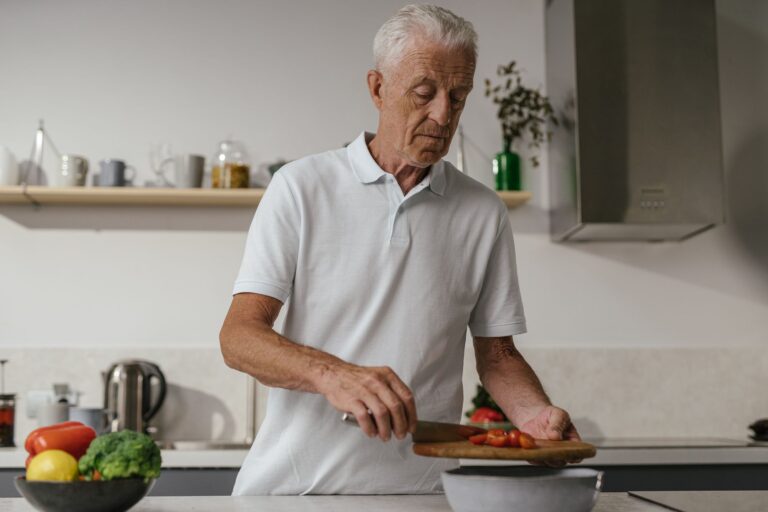
Use a food thermometer every time. According to the USDA Food Safety and Inspection Service in its Thanksgiving food safety bulletin, turkey is safe only at 165°F in the thickest breast, innermost wing, and innermost thigh. Cook stuffing separately when possible.
If cooked inside the bird, its center must also reach 165°F. Do not judge doneness by color, juices, or pop-up timers. A thermometer gives the only reliable check before serving a person with dementia.
Thaw, hold, and store food safely
Thaw frozen turkey only in the refrigerator or in cold water. Refrigerator thawing takes about 24 hours per 4-5 pounds, while cold-water thawing takes about 30 minutes per pound with fresh cold water every 30 minutes. Keep perishable foods out of the 40-140°F danger zone.
Cold foods must stay at or below 40°F, hot foods at or above 140°F, and leftovers must enter the refrigerator within 2 hours or be discarded. For leftovers, use shallow containers and a refrigerator at 40°F or below. According to USDA guidance in its turkey leftovers guide, turkey, stuffing, and gravy stay safe for only 3-4 days and must be reheated to 165°F before serving.
- Refrigerate within 2 hours of serving
- Keep turkey, stuffing, and gravy 3-4 days maximum
- Reheat all leftovers to 165°F by thermometer
- Discard food left out too long or with uncertain age
Why are patients with dementia at higher risk?
Most dementia patients are older adults, and aging immunity clears germs less well. According to the CDC in its food safety page for adults 65 and older, Salmonella, Campylobacter, Listeria, and E. coli cause more hospitalization and death after age 65, with nearly half of lab-confirmed cases hospitalized.
Dementia adds practical risk. Patients may eat spoiled food, accept food that is too hot, chew poorly, or swallow without care. Caregivers therefore need to check temperature, texture, and freshness directly. Do not rely on the patient to report sour smell, odd taste, or burning heat.
How should you set up a calmer holiday meal?
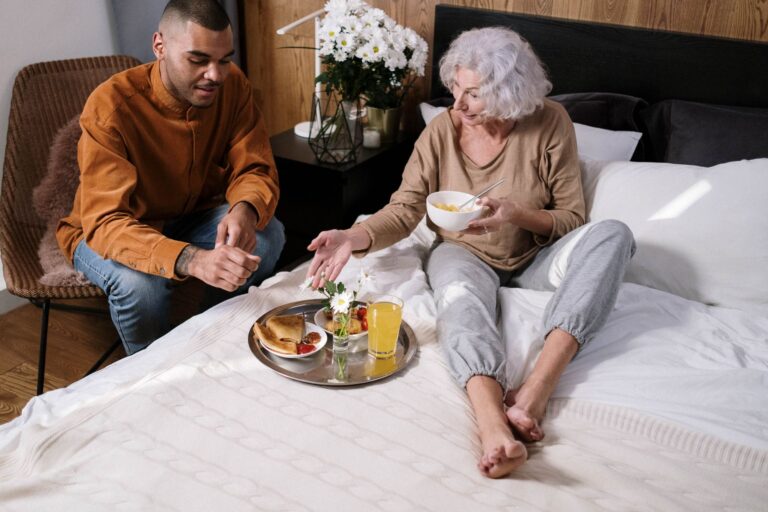
Limit visitors at one time and keep the daily routine. Keep rest times, offer a quiet retreat space, and use familiar music or activities during gatherings. Serve in a quiet, low-distraction setting with simple place settings.
According to the Alzheimer Society of Manitoba in its holiday meals planning guide, contrasting plates, one course and utensil at a time, and temperature checks help because dementia can impair judgment, chewing, and swallowing. Stay seated nearby during the meal. Cut food into manageable pieces, watch each bite pace, and remove unused utensils, napkins, and decorations from the eating area.
Which foods and decorations need extra caution?
Favor familiar foods in modest portions. Rich, heavily spiced, or unfamiliar dishes can cause stomach upset, refusal, or choking, while alcohol and late-day caffeine can worsen confusion and sleep problems. Supervise around candles, lighted decor, holiday greens, and artificial fruit centerpieces.
These items can burn, cause falls, or be mistaken for food. Favor a daytime celebration when possible. Late-day confusion, often called sundowning, worsens confusion and agitation in the evening.