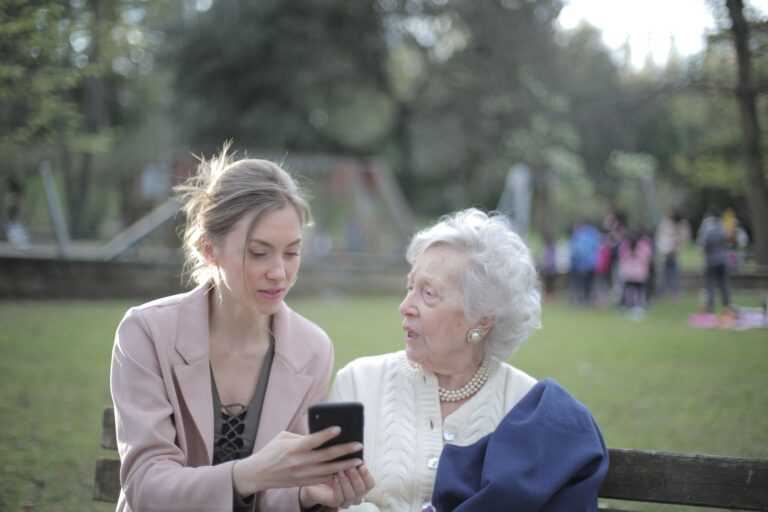
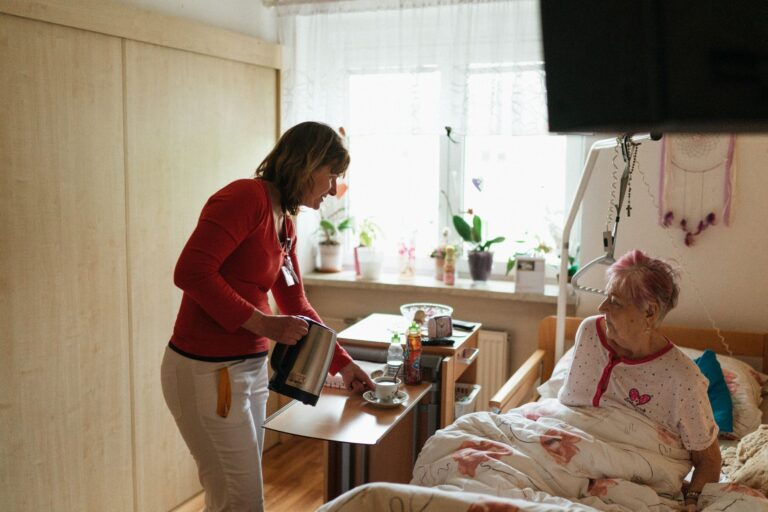
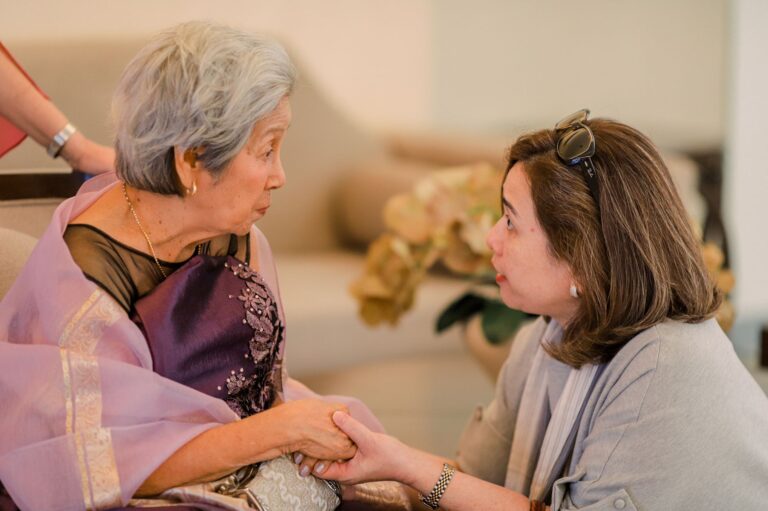
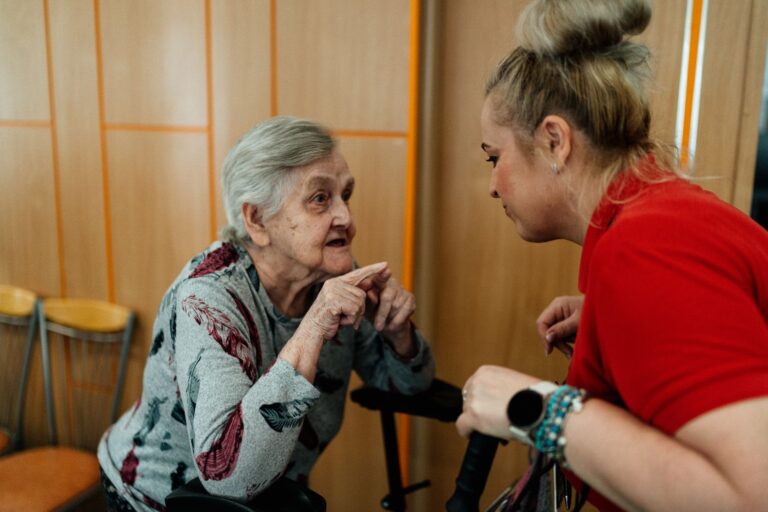
Sandwich generation caregivers care for someone with dementia while also caring for a child or grandchild. Balancing both means handling daily personal care, parenting, and often paid work at the same time.
The Alzheimer's Association reports that about one in four dementia caregivers fills this dual role, described on its Sandwich Generation Caregivers page. A morning can include bathing help and school drop-off. An evening can include meals, homework, and nighttime supervision.
Medical information disclaimer: This article is for general educational purposes only and does not provide medical advice, diagnosis, or treatment. Always consult a physician or other qualified health professional about symptoms, medications, tests, or treatment decisions.
Table of Contents
- Who falls into this group?
- Why does dementia make the squeeze tighter?
- How do work and money take a hit?
- What happens to caregiver health?
- What small steps ease daily balancing?
Who falls into this group?
A sandwich caregiver meets two needs at once. One is an adult with memory loss, confusion, or need for daily supervision.
The other is a child or grandchild who needs housing, meals, rides, school support, or direct supervision. Pew Research Center found this squeeze peaks in midlife, with more than half of adults in their 40s caring across generations. The Alzheimer's Association notes the typical dementia caregiver is a middle-aged working woman caring for a parent or parent-in-law, and most dementia caregivers are women.
Why does dementia make the squeeze tighter?
Dementia care is hands-on and repeats every day. AARP's Public Policy Institute reports sandwich caregivers average 27 hours of care weekly, similar to other caregivers, but help with more daily tasks, detailed in its Caregiving in the U.S. 2025 sandwich-generation analysis.
Those tasks include bathing, dressing, mobility, meals, medicines, and safety checks. Children add fixed schedules that cannot shift, such as pickup times, meals, and bedtimes. When both needs peak together, there is no spare hour.
How do work and money take a hit?
AARP's Public Policy Institute reports caregiving disrupts employment for 67% of sandwich caregivers. About 22% report high financial strain, compared with 16% of other caregivers.
AARP also reports nearly half of family caregivers faced a major financial hit, such as taking on debt, stopping savings, or being unable to afford food. Reduced hours, unpaid leave, paid help, and separate household costs can stack up fast.
What happens to caregiver health?
Dementia caregivers face greater risk for anxiety, depression, and lower quality of life than other caregivers, according to the CDC. The CDC also reports 53% of caregivers say declining health limits their ability to give care, noted in its public health blog on caregivers.
Sleep breaks, constant vigilance, and lifting or guiding an adult drain energy. Parenting adds noise, chores, and emotional demands on top of that load. Warning signs include exhaustion, missed medical visits, short temper, and frequent illness.
What small steps ease daily balancing?
Match tasks to the right helper instead of doing all care alone. Family, neighbors, school staff, respite programs, adult day services, and home aides can each cover one gap.
Start with one change that frees 30 minutes, such as a standing ride share or two respite hours. Use that time for sleep, a clinic visit, or a walk.
- List weekly must-do care tasks and school duties side by side
- Assign one fixed task to another adult, such as rides or bathing
- Use one shared calendar for appointments, shifts, and school events
- Plan backup for sick days, late work, and nighttime needs
- Keep medicines, contacts, and care instructions in one folder