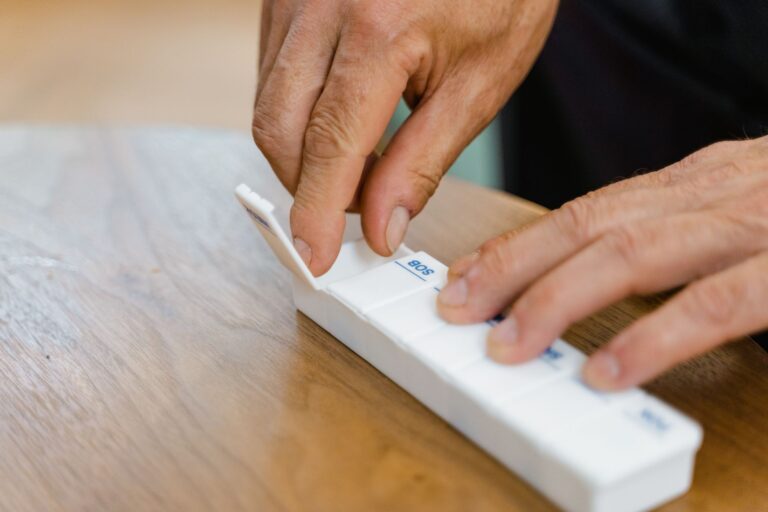
Caregivers of people with dementia can arrange short-term holiday relief through local respite programs, Area Agencies on Aging, veteran health programs, and participating Medicare dementia-care teams. Respite care means another person or program temporarily takes over supervision and daily support so the regular caregiver can rest, run errands, or travel. Holiday demand strains local supply, so families often need to check more than one source and confirm eligibility early. The ARCH National Respite Network notes its directory is not exhaustive and points caregivers to state Lifespan Respite and voucher programs as well.
Medical information disclaimer: This article is for general educational purposes only and does not provide medical advice, diagnosis, or treatment. Always consult a physician or other qualified health professional about symptoms, medications, tests, or treatment decisions.
Table of Contents
- Where to find holiday coverage near you
- What public programs help pay for respite
- What respite can veteran families use
- How to plan a calmer holiday break
Where to find holiday coverage near you
Start with programs that list services by location. The ARCH National Respite Network offers a state and ZIP-code respite search for nearby respite programs, state coalitions, Medicaid waiver programs, and local agencies.
For hands-on referrals, contact the local Area Agency on Aging. The Administration for Community Living says its Eldercare Locator connects caregivers to that agency, which coordinates homemaker help, adult-day options, and caregiver-support respite.
- Enter state, ZIP code, or city in the ARCH locator
- Call the Eldercare Locator at 1-800-677-1116 or search by location
- Ask the Area Agency on Aging about holiday hours, waitlists, and intake rules
What public programs help pay for respite
The Administration for Community Living funds the National Family Caregiver Support Program through states and local aging agencies. That program supports information, access assistance, counseling, training, support groups, respite care, and supplemental services for caregivers of older adults. For dementia-specific care, ask whether a local team participates in the CMS GUIDE Model.
The Centers for Medicare and Medicaid Services says the eight-year model, launched July 1, 2024, pays participating teams for care coordination, a 24/7 support line, caregiver education, and respite for traditional-Medicare beneficiaries with dementia and their caregivers. Availability depends on enrollment and provider participation. GUIDE respite requires a participating provider, so a family outside a participating practice will need another route.
What respite can veteran families use
The U.S. Department of Veterans Affairs pays for short-term Home Respite and Nursing Home Respite for veterans of all ages. Home Respite can mean an aide at home or adult-day health care, while nursing-home respite provides a longer break when caregivers need rest, errands, or out-of-town travel.
The VA Caregiver Support Program also describes self-guided, informal, and formal respite, with in-home, adult-day, and nursing-home options arranged through Geriatrics and Extended Care. The Minneapolis VA factsheet states eligible veterans can receive up to 30 days of respite per calendar year. VA respite requires VA enrollment and clinical need. Families should ask the veteran's VA care team which setting fits, how days are counted, and what holiday scheduling deadlines apply.
How to plan a calmer holiday break
Adjust expectations before the holiday week. The Alzheimer's Association advises holding a family planning call, keeping gatherings calm and small, and involving the person with dementia in simple tasks such as setting napkins or looking at photos. Use the break for a defined purpose: sleep, medical visits, shopping, or time with others.
Tell the respite provider about routines, meals, medications, communication cues, and what usually causes distress. Keep its holiday caregiving guidance and Helpline number nearby during events. The Association offers a free 24/7 Helpline at 800-272-3900.