The safest calorie-burning activities for dementia care are seated exercises, chair-supported strength work, and supervised walking, gardening, and dancing. Seated marching, leg lifts, arm raises, ankle pumps, and gentle stretching build strength while removing the standing fall distance. Support makes the difference. A sturdy chair, wall, or helper nearby keeps balance practice and daily movement steady.
Medical information disclaimer: This article is for general educational purposes only and does not provide medical advice, diagnosis, or treatment. Always consult a physician or other qualified health professional about symptoms, medications, tests, or treatment decisions.
Table of Contents
- How do seated moves burn energy safely?
- What supported leg and balance practice helps?
- Which shared activities add calories?
- How much activity is enough without added risk?
How do seated moves burn energy safely?
For advanced dementia, seated activity keeps muscles working without standing risk. March in place while seated, lift each leg, raise and circle the arms, pump the ankles, then stretch gently.
These moves use the thighs, hips, shoulders, and calves. Short sessions through the day feel calmer than one long workout and aid flexibility.
- Sit tall near the front of a sturdy chair with feet flat.
- March slowly, then add leg lifts, arm raises, ankle pumps, and gentle stretches.
- Rest between rounds and keep water and supervision close.
What supported leg and balance practice helps?
CDC STEADI describes chair rises for thigh and buttock strength. Sit at the front of a sturdy chair with feet flat, then stand using hands as little as possible. Practice in small doses with support in reach.
Aim for 10 to 15 repetitions for two sets, stopping if form slips or fatigue rises fast. The National Institute on Aging points to about three balance sessions per week beside a sturdy chair, wall, or helper. Wear stable shoes and stop for warning signs.
- dizziness
- chest pain
- nausea
Which shared activities add calories?
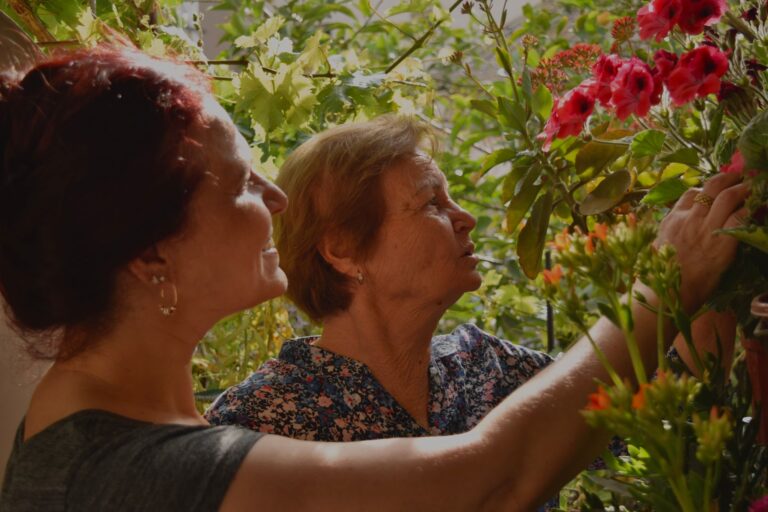
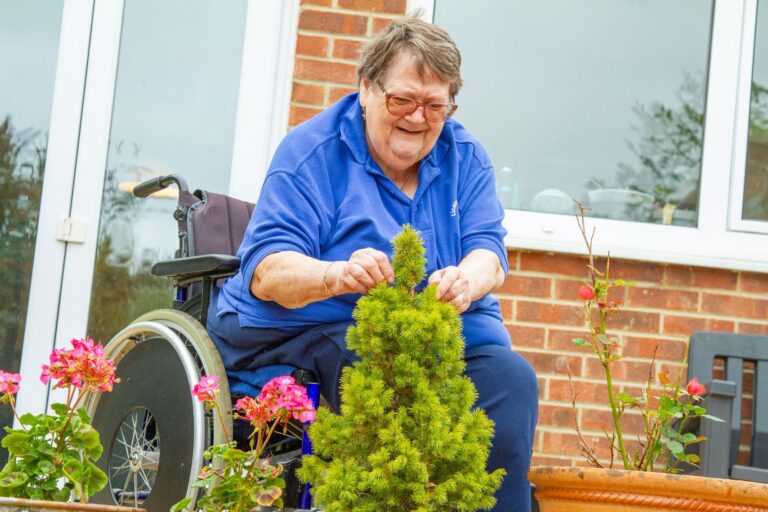
The National Institute on Aging advises caregivers to walk together, garden, play music and dance, and use older-adult exercise videos, as described in the NIA ActiveWithAD guide. It also advises adapting each activity and exercising together. Harvard Health Publishing reports clear calorie costs in its 30-minute calorie table.
For 125-, 155-, and 185-pound people, gardening uses 135, 167, and 200 calories per 30 minutes. Walking at 3.5 mph uses 107, 133, and 159, while stretching or Hatha yoga uses 120, 144, and 168. Pick one familiar activity and pair it with supervision. A morning garden session, an afternoon music-and-dance break, and an evening video routine spread effort without long unsupervised walks.
How much activity is enough without added risk?
The CDC says adults 65 and older should get at least 150 minutes of moderate aerobic activity weekly, plus muscle-strengthening on 2 days and regular balance activities, according to the CDC activity guidelines for older adults. Spread minutes across the week rather than saving them for one outing. Risk rises when walking is unsupervised.
Residential-care residents face 2 to 4 times the fall risk of community dwellers, and higher daily step counts were linked to more falls in one 281-resident study. A six-month pilot of adapted Otago exercise in residential dementia care found 13 falls in each group with no fall reduction. Stay beside the person for walks and keep a chair, wall, or helper within reach for every standing move.