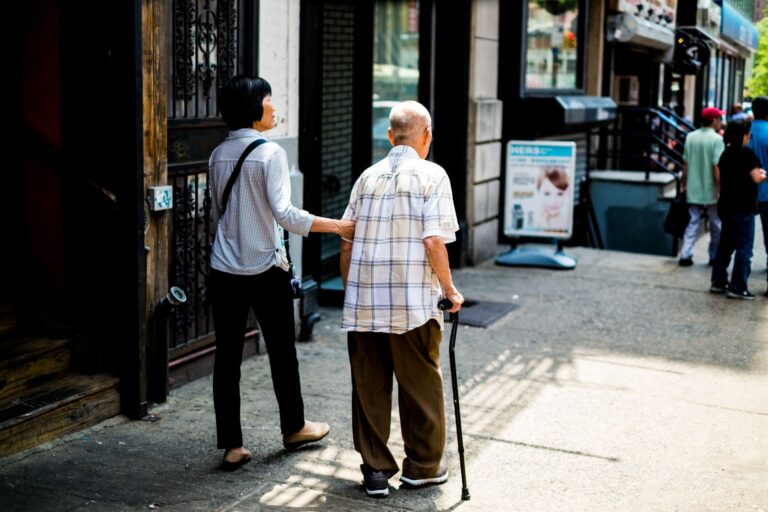
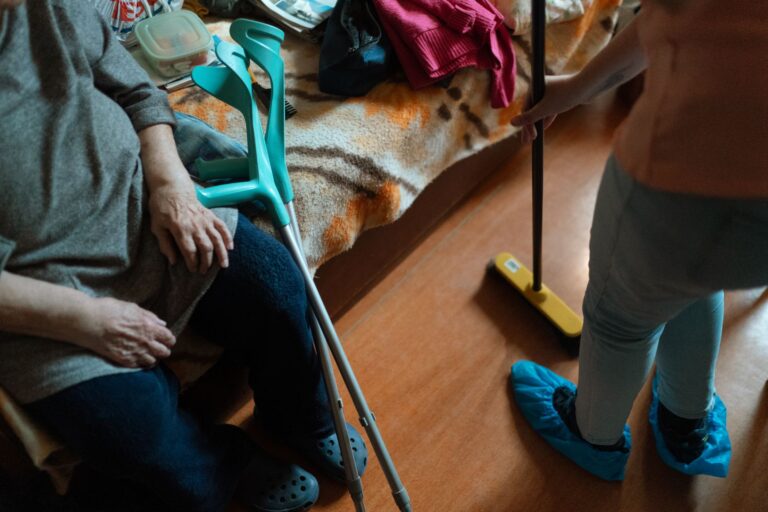
CareGivers of America staffs dementia home care by referring HHAs, CNAs and companions with Alzheimer's and dementia experience to South Florida families. Preparation means rigorous screening, background checks and training before any referral, shaped by Florida dementia-care rules.
A nurse registry is a licensed service that refers independent caregivers to clients instead of employing them directly. CareGivers of America operates as a Florida-licensed nurse registry across Broward, Miami-Dade, Palm Beach and Treasure Coast counties, according to its dementia care overview. Families engage the referred caregiver for in-home support.
Medical information disclaimer: This article is for general educational purposes only and does not provide medical advice, diagnosis, or treatment. Always consult a physician or other qualified health professional about symptoms, medications, tests, or treatment decisions.
Table of Contents
- How does the registry model shape training?
- What screening happens before referral?
- What dementia instruction does Florida require?
- What should families ask before starting care?
How does the registry model shape training?
CareGivers of America says it matches seniors with caregivers experienced in Alzheimer's and dementia care rather than assigning generalist staff. That match is central to its approach for in-home support.
As a nurse registry, its caregivers work as independent contractors engaged by the client. The company explains this model in its nurse registry explainer. Training therefore means vetting licenses, experience and required instruction, not only supervising employees.
What screening happens before referral?
The company says every referred caregiver passes rigorous screening, background checks and training before any client referral. That includes a Level 2 background screening, according to its caregiver screening guide.
Screening checks identity, work history and eligibility to serve vulnerable seniors. Families can treat passed screening as the first training gate, not a substitute for dementia skill.
What dementia instruction does Florida require?
Florida law requires covered providers, including nurse registries, to give dementia-care workers basic written information at hire. Personal-care staff then need 1 hour of ADRD training within 30 days, plus 2 more hours within 7 months, under the state dementia-training statute.
Home health aides also need at least 40 hours of hands-on training through a licensed school or agency, plus HIV/AIDS instruction and active CPR credentials, according to the company HHA explainer. Medicare-certified agencies require 75 hours. These baselines cover safety, personal care and emergency response around cognitive impairment.
What should families ask before starting care?
The company's public pages use general trained and qualified language without publishing a full dementia curriculum with hours or certificates. Families should request specific documents at referral.
- ADRD training certificates with dates and hours
- HHA or CNA license, school hours and CPR card
- Level 2 screening confirmation
- Notes on dementia experience, routines handled and behavior support
- Plan for care navigation, education and respite through the CMS GUIDE model when eligible, a federal dementia program running July 2024 through 2032