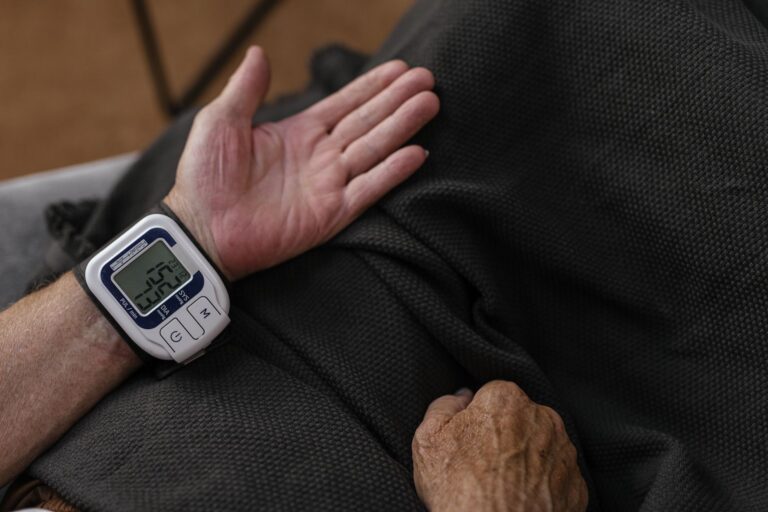
The LiBBY trial found that a twice-daily THC and CBD oil reduced agitation in hospice-eligible people with late-stage dementia. For rural dementia families, the findings offer a possible future option to discuss, not a treatment to seek now. LiBBY means Life's End Benefits of cannabidiol and tetrahydrocannabinol. Agitation here means restlessness, verbal outbursts, resisting care, and distress that make daily care and comfort harder near the end of life.
Medical information disclaimer: This article is for general educational purposes only and does not provide medical advice, diagnosis, or treatment. Always consult a physician or other qualified health professional about symptoms, medications, tests, or treatment decisions.
Table of Contents
- Who took part and what was tested?
- How much did agitation change?
- What are the safety results and limits?
- Why does a home-visit trial matter for rural families?
Who took part and what was tested?
The study enrolled 120 hospice-eligible patients with late-stage Alzheimer's or other dementias and clinically significant agitation at 10 U.S. sites, according to the Alzheimer's Association AAIC release AAIC 2026 LiBBY release.
Care teams used home visits rather than clinic visits. Participants received purified oral oil with 2 mg THC plus 100 mg CBD per dose twice daily after a half-dose lead-in week, versus matching placebo for 12 weeks. The design was multicenter, randomized, double-blind, and placebo-controlled.
How much did agitation change?
On the Cohen-Mansfield Agitation Inventory, the THC/CBD group showed a 6.27-point greater reduction than placebo at 2 weeks, with benefit sustained through week 12, as reported by Urban Health Today home-based THC and CBD trial report. That scale tracks observed restless and aggressive behaviors.
By week 12, clinicians rated 87.2% of treated patients as improved versus 23.6% with placebo. Families may read that as nearly 9 in 10 treated patients improving, but individual results vary and this was a small Phase 2 study.
What are the safety results and limits?
Overall adverse events were similar at 46.7% with treatment and 42.4% with placebo. Serious adverse events were higher with treatment, 23.3% versus 11.9%, and investigators judged them unrelated to study medication.
LiBBY was a small Phase 2 topline conference report. It does not establish an FDA-approved therapy, and non-drug comfort strategies remain recommended first-line with shared decision-making.
Why does a home-visit trial matter for rural families?
Rural families often face long travel, few dementia specialists, and crisis-driven decisions near the end of life. LiBBY's home-based approach shows that community-dwelling patients with severe agitation can take part in careful research without repeated clinic trips, according to Psychiatrist.com agitation treatment access review.
- Track agitation triggers, timing, pain, sleep, and what calms the person
- Ask the hospice, palliative, or primary-care team about first-line comfort and behavior approaches
- Bring the LiBBY dose, duration, and safety findings to a clinician visit for shared decision-making
- Ask what local pharmacy, telehealth, or home-visit follow-up would be needed if larger trials confirm benefit
You Might Also Like
- AAIC 2026 LiBBY THC-CBD Agitation Trial: What the Findings Mean for Rural Dementia Families
- p-tau217 Findings a Decade Before Alzheimer’s Symptoms in 2026: What the Findings Mean for Rural Dementia Families
- AAIC 2026 p-tau217 Alzheimer’s Risk Prediction Research: What the Findings Mean for Rural Dementia Families